pattern

Advanced Vocabulary for the GRE - Ensure Good Health!

Here you will learn some English words about health, such as "benign", "ossify", "imbibe", etc. that are needed for the GRE exam.

Review

Flashcards

Forms

Spelling

Quiz

Start learning
Advanced Words Needed for the GRE
anodyne
anodyne
[noun]

a type of medicine that helps reduce one's pain

Ex: The doctor prescribed an anodyne to help manage the patient’s chronic back pain. 
Close
Sign in
benign
benign
[Adjective]

(of an ilness) not fatal or harmful

Ex: She received the news that her condition was benign, bringing relief to her and her family. 
Close
Sign in
to enervate

to cause someone to lose physical or mental energy or strength

Ex: The long, grueling workout served to enervate him, leaving him feeling completely drained. 
Close
Sign in
intractable
intractable
[Adjective]

difficult to cure or solve

Ex: The disease was labeled as intractable due to its resistance to conventional therapies. 
Close
Sign in
to languish

to weaken or deteriorate, often due to neglect, illness, or sorrow

Ex: The garden languished during the long drought. 
Close
Sign in
lassitude
lassitude
[noun]

the condition of not having mental or physical strength or energy

Ex: The monotony of his routine led to a gradual onset of lassitude, sapping his motivation. 
Close
Sign in
to mitigate

to lessen something's seriousness, severity, or painfulness

Ex: Planting more trees can mitigate the impact of climate change. 
Close
Sign in
noisome
noisome
[Adjective]

extremely repulsive and unpleasant, particularly to the sense of smell

Ex: The noisome fumes from the chemicals in the lab required the use of proper ventilation. 
Close
Sign in
to ossify
to ossify
[Verb]

to harden and turn into bone

Ex: Over time, the cartilage will ossify, becoming a solid bone structure. 
Close
Sign in
panacea
panacea
[noun]

something that is believed to cure any disease or illness

Ex: Many people hoped that the new drug would be a panacea for all their health problems. 
Close
Sign in
pathological
pathological
[Adjective]

relating to or caused by an illness or disease

Ex: The doctor observed pathological changes in the patient's organs due to the progression of the disease. 
Close
Sign in
to recrudesce

(of an unpleasant or dangerous thing) to become active again after being inactive for a period of time
Ex: The conflict between the two countries seemed to recrudesce, despite previous peace agreements. 
Close
Sign in
salubrious
salubrious
[Adjective]

indicating or promoting healthiness and well-being

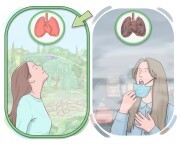
Ex: The mountain air was considered salubrious, offering crisp freshness that invigorated the lungs. 
Close
Sign in
soporific
soporific
[Adjective]

causing one to become sleepy and mentally inactive

Ex: The lecture was so soporific that several students struggled to stay awake. 
Close
Sign in
temperance

the practice of restraining oneself from consuming any or too much alcohol

Ex: His commitment to temperance was evident in his decision to avoid all alcoholic beverages. 
Close
Sign in
torpor
torpor
[noun]

a state in which an animal's metabolic rate and activity are significantly reduced

Ex: The bear's torpor during hibernation is a natural way to conserve energy throughout the winter months. 
Close
Sign in
predisposed
predisposed
[Adjective]

having a higher chance of suffering from a specific illness or medical condition

Ex: People with a family history of heart disease are predisposed to developing similar conditions. 
Close
Sign in
to satiate

to fully satisfy a desire or need, such as food or pleasure, often beyond capacity

Ex: The elaborate feast was designed to satiate even the most ravenous appetites. 
Close
Sign in
to savor
to savor
[Verb]

to fully appreciate and enjoy the flavor or aroma of a food or drink as much as possible, particularly by slowly consuming it

Ex: She savors the delicate flavors of herbal teas. 
Close
Sign in
LanGeek
Download LanGeek app