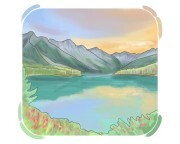
a large area of water, surrounded by land

to occupy a particular place
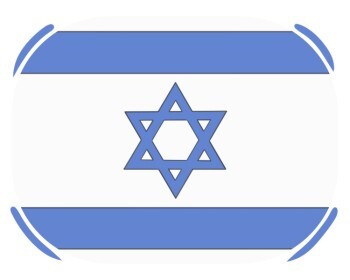
a country in Western Asia on the Mediterranean Sea
an area between Israel and Jordan on the west bank of the Jordan river; populated largely by Palestinians

known by a lot of people
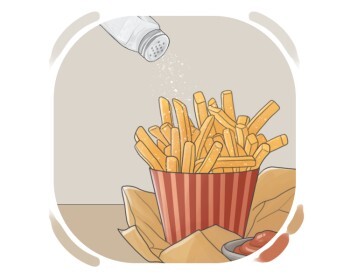
containing salt or having a taste that is like salt
used to introduce a statement that provides additional information or emphasizes the truth or reality of a situation
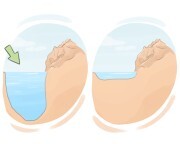
having a great distance from the surface to the bottom
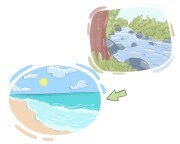

used with a number to show that it is not exact
a precise or identifiable position within a continuum, sequence, or process
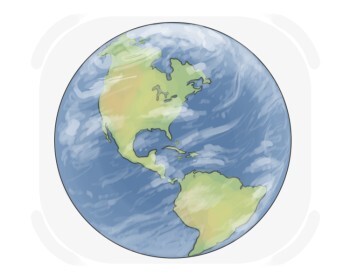
a big round mass covered in land and water, on which we all live
to remain on or near the surface of a liquid without sinking to the bottom
to bear the weight of something or someone
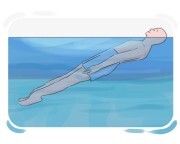
to go under below the surface of a particular substance such as water, sand, tar, mud, etc.
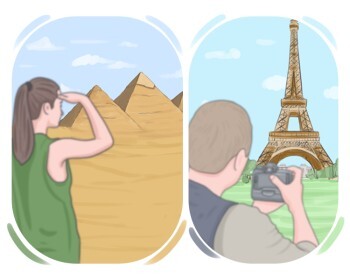
to go somewhere for a short time, especially to see something
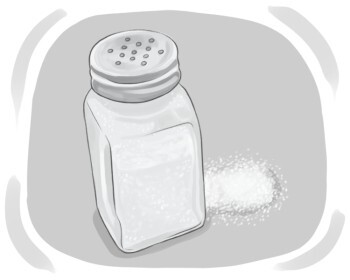
a natural, white substance, obtained from mines and also found in seawater that is added to the food to make it taste better or to preserve it
a solid and natural substance that is not produced in the body of living beings but its intake is necessary to remain healthy
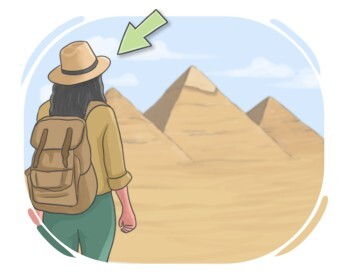
someone who enters a place, such as a building, city, or website, for a particular purpose
to put something over something else in a way that hides or protects it
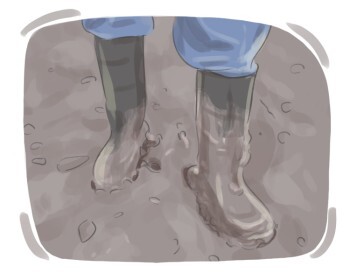
earth that has become wet
the general condition of a person's mind or body
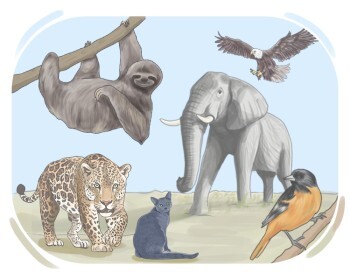
any living thing that is able to move on its own, such as an animal, fish, etc.

(microbiology) single-celled microorganisms that can be found in various environments, including soil, water, and living organisms, and can be beneficial, harmful, or neutral
plants without true roots, leaves, or stems, which grow in or near a body of water, such as seaweeds

the holy book of Christianity that consists of the Old Testament and the New Testament
used to say that something happened frequently or constantly in the past but not anymore
the great mass of salt water that covers most of the earth's surface