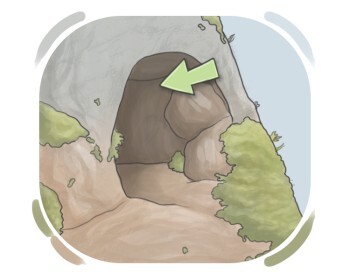
a hole or chamber formed underground naturally by rocks gradually breaking down over time

a state in east central United States; a border state during the American Civil War; famous for breeding race horses

a country in North America that has 50 states
a route, path, or corridor that allows movement from one place to another
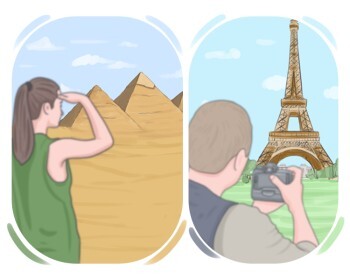
to visit places one has never seen before
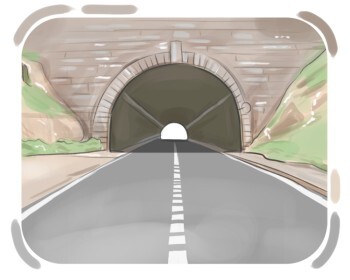
a passage dug through or under a mountain or a structure, typically for cars, trains, people, etc.
under the surface of the earth
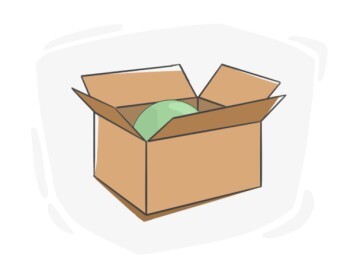
used to indicate that something or someone is located in, happening within, or moving into the inner part of something
catching and keeping our attention because of being unusual, exciting, etc.
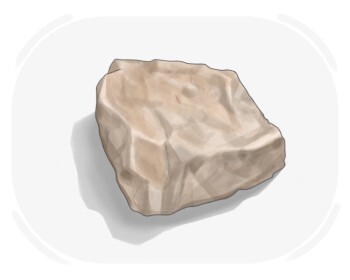
a solid material forming part of the earth's surface, often made of one or more minerals
to be positioned in a way that the top part is fixed or connected to something, but the bottom part can move freely without touching the ground
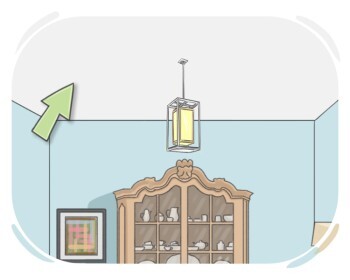
the highest part of a room, vehicle, etc. that covers it from the inside
a tapering, icicle-like mineral formation hanging from the roof of a cave or underground structure, typically composed of calcium carbonate deposited by dripping water containing dissolved minerals

to become greater in size, amount, number, or quality
a cone-shaped mineral formation rising from the floor of a cave or underground structure, formed by the deposition of minerals from dripping water containing dissolved substances
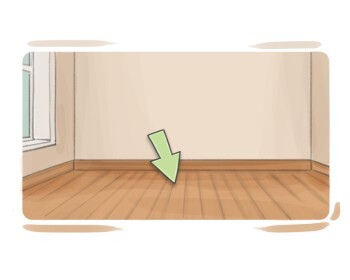
a location or origin point for a particular thing or concept
to adjust oneself to fit into a new environment or situation

the state or quality of having no light
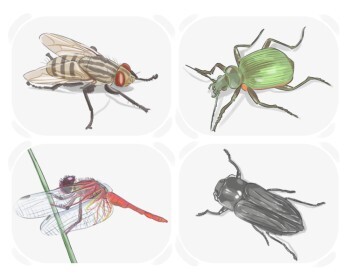
a small creature such as a bee or ant that has six legs, and generally one or two pairs of wings
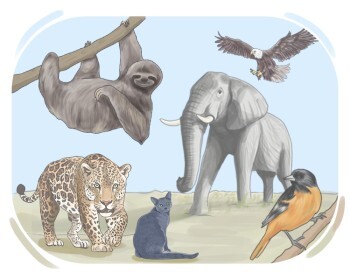
any living thing that is able to move on its own, such as an animal, fish, etc.

not able to see
the quality of having little or almost no light
directed, controlled, or assisted by someone or something to follow a specific path or achieve a goal
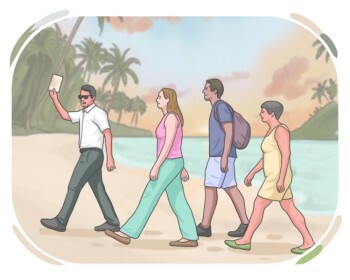
a journey for pleasure, during which we visit several different places
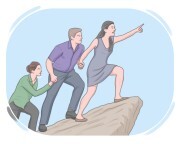
to accompany someone to a specific place, particularly in order to lead or guide them
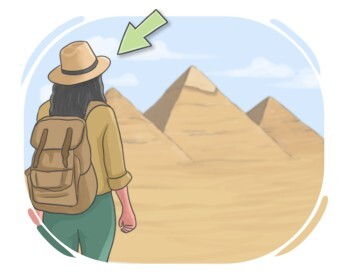
someone who enters a place, such as a building, city, or website, for a particular purpose

used to indicate movement into one side and out of the opposite side of something
to assist or enable someone to acquire some knowledge, skills, or abilities

to develop or come into existence

someone whose job or education is about science
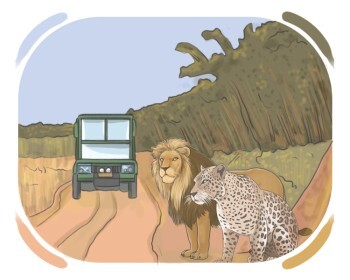
an area under the protection of a government, where people can visit, for its wildlife, beauty, or historical sights
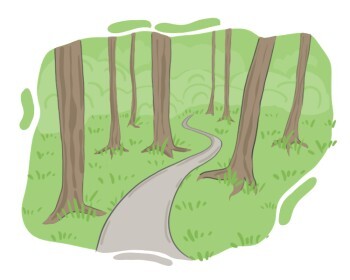
a path or track that has been roughly marked or cleared, often found in wild or hilly terrain
any member of the indigenous peoples who lived in North or South America before the arrival of Europeans
existed or happened a time long ago
a person who moves to a new area to live and establish a community
used to indicate that despite a certain fact or situation mentioned in the first clause, the second clause follows