
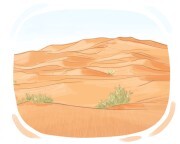
a large, dry area of land with very few plants, typically one covered with sand
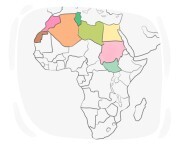
a region in the northern part of the African continent, typically including countries like Egypt, Algeria, Morocco, and Tunisia
a very large and hot desert in Northern Africa that is mostly covered in sand and known for its extreme temperatures and dry climate

to cover a significant distance or expanse
a country located in North Africa known for its vibrant culture, delicious food, and beautiful landscapes including the Sahara desert
a republic in northwestern Africa on the Mediterranean coast; achieved independence from France in 1956
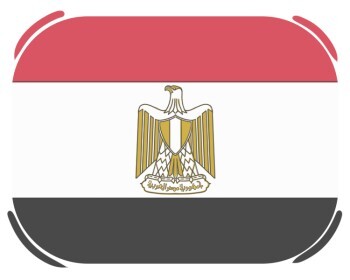
a country on the continent of Africa with a rich history, famous for its pyramids, temples, and pharaohs
used to express area by multiplying length by width
used to say that something is nearly the case but not completely

a country in North America that has 50 states
containing or composed of sand
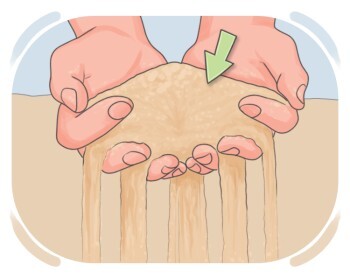
a pale brown substance that consists of very small pieces of rock, which is found in deserts, on beaches, etc.
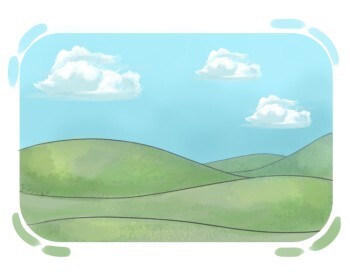
a naturally raised area of land that is higher than the land around it, often with a round shape

a mound or ridge of sand that is typically formed by the wind, often found in deserts, coastal areas, or other regions with significant wind activity
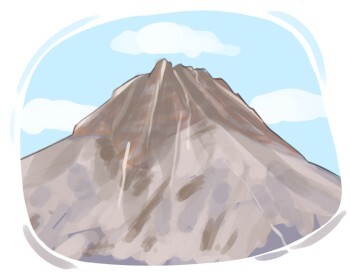
a very tall and large natural structure that looks like a huge hill with a pointed top that is often covered in snow
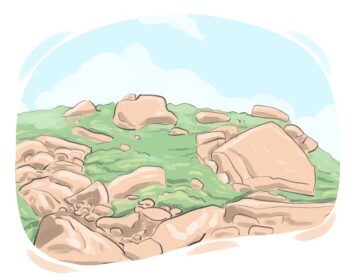
having a surface that is covered with large, uneven, or rough rocks, stones, or boulders
difficult to endure

used to provide a specific situation or instance that helps to clarify or explain a point being made
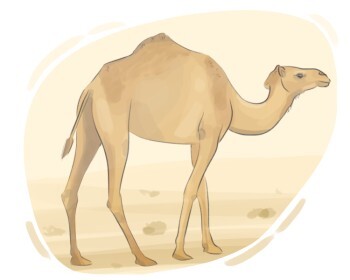
a large desert animal with a long neck and one or two humps on its back
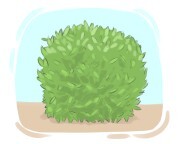
a type of plant small in size with several stems in the ground
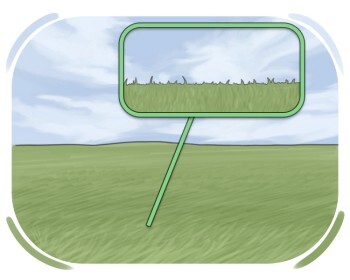
a plant with thin, short, and green upright leaves, commonly found in gardens, parks, etc.
to continue to function or exist despite difficult circumstances
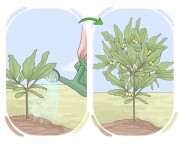
to cause a plant to develop and give fruit or flowers
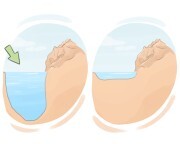
having a great distance from the surface to the bottom
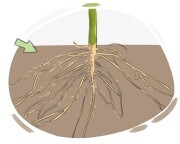
the underground part of a plant that absorbs water and minerals, sending it to other parts
to contain or have the capacity to contain a certain amount
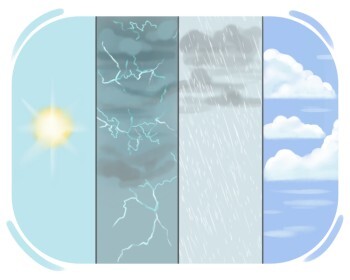
things that are related to air and sky such as temperature, rain, wind, etc.

very high in intensity or degree
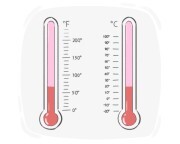
a measure of how hot or cold something or somewhere is

a unit of measurement for temperature, angles, or levels of intensity, such as Celsius degrees or a degree of pain

relating to the temperature scale where water freezes at 0° and boils at 100°
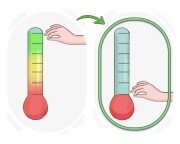
to become less in amount, number, degree, or intensity
a person or group that moves from place to place, usually in search of food, water, or pasture, rather than living permanently in one location
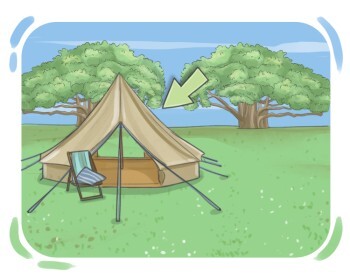
a shelter that usually consists of a long sheet of cloth, nylon, etc. supported by poles and ropes fixed to the ground, that we especially use for camping
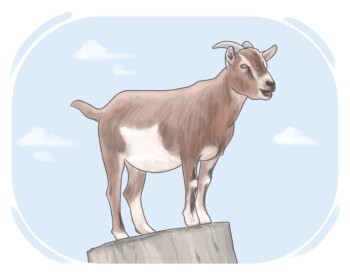
an animal with horns and a coat of hair that lives wild in the mountains or is kept on farms for its milk or meat