pattern

Cambridge IELTS 18 - Academic - Test 1 - Reading - Passage 1 (2)

Here you can find the vocabulary from Test 1 - Reading - Passage 1 (2) in the Cambridge IELTS 18 - Academic coursebook, to help you prepare for your IELTS exam.

Review

Flashcards

Forms

Spelling

Quiz
Start learning
Cambridge IELTS 18 - Academic
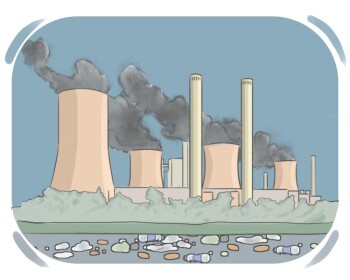
to pollute

to damage the environment by releasing harmful chemicals or substances to the air, water, or land

Ex: Factories often pollute the air with emissions from burning fossil fuels. 
Close
Sign in
to [take] place

to occur at a specific time or location

Ex: The wedding will take place in a beautiful garden by the lake. 
Close
Sign in
flourishing
flourishing
[Adjective]

thriving or prospering that results in success and positive development

Ex: The new bakery in town is flourishing, with a constant stream of customers eager to try their delicious pastries. 
Close
Sign in
consultancy

the practice of giving professional advice within a particular field

Close
Sign in
to field
to field
[Verb]

to answer questions or deal with requests

Ex: The teacher fielded questions from students. 
Close
Sign in
enquiry
enquiry
[noun]

an act of asking questions to gather information, clarify doubts, or seek answers about a particular topic or issue

Ex: The teacher's enquiry about the student's progress prompted a detailed discussion. 
Close
Sign in
to equip
to equip
[Verb]

to provide with the tools, resources, or items necessary for a specific purpose or activity

Ex: The school is planning to equip the science laboratory with state-of-the-art equipment. 
Close
Sign in
breed
breed
[noun]

a category or type of something

Ex: He belongs to a breed of leaders who inspire loyalty. 
Close
Sign in
inner
inner
[Adjective]

situated toward or near the center of a place, area, or structure

Ex: The castle’s inner courtyard was surrounded by high stone walls for added protection. 
Close
Sign in
advantage
advantage
[noun]

a benefit or gain resulting from something

Close
Sign in
to treat
to treat
[Verb]

to apply a substance or process to something in order to protect it, preserve it, or give it special qualities
Ex: The wood was treated with a special coating to protect it from the elements. 
Close
Sign in
pesticide
pesticide
[noun]

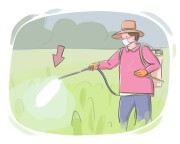
a type of chemical substance that is used for killing insects or small animals that damage food or crops

Ex: The farmer applied pesticide to protect his crops from harmful insects. 
Close
Sign in
intensive
intensive
[Adjective]

(of farming practices) using large amounts of labor, capital, and resources to produce high yields in a small area

Ex: Intensive farming often involves the use of fertilizers, pesticides, and high-efficiency irrigation systems. 
Close
Sign in
generator
generator
[noun]

a device that creates gas or vapor by converting energy from another source
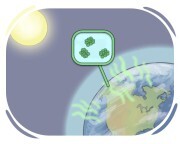
Ex: The steam generator heated the water to produce high-pressure vapor for the turbines. 
Close
Sign in
greenhouse gas

any type of gas, particularly carbon dioxide, that contributes to global warming by trapping heat

Ex: Carbon dioxide is a major greenhouse gas responsible for global warming. 
Close
Sign in
refrigerated
refrigerated
[Adjective]

made or kept cold by refrigeration

Close
Sign in
to shower
to shower
[Verb]

to spray or cover someone or something with water in the form of small drops or a light stream

Ex: They shower the plants with water every morning. 
Close
Sign in
capacity
capacity
[noun]

the ability or power to achieve something or develop into a certain state in the future
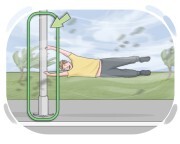
Ex: With the right training, he has the capacity to become a world-class athlete. 
Close
Sign in
to withstand

to resist or endure the force, pressure, or challenges imposed upon oneself

Ex: The sturdy structure of the building can withstand strong winds and earthquakes. 
Close
Sign in
grower
grower
[noun]

a plant that develops in a particular way

Ex: This flower is a fast grower and blooms in a few weeks. 
Close
Sign in
substantial
substantial
[Adjective]

significant in amount or degree

Ex: The company made a substantial investment in upgrading its infrastructure. 
Close
Sign in
wholesaler

someone who buys large quantities of goods and resells to merchants rather than to the ultimate customers

Close
Sign in
solely
solely
[Adverb]

with no one or nothing else involved

Ex: The decision was made solely to improve efficiency. 
Close
Sign in
to enrich
to enrich
[Verb]

to enhance the quality of something, particularly by adding something to it

Ex: Adding diverse experiences can enrich one's perspective on life. 
Close
Sign in
nutrient
nutrient
[noun]

a chemical element or inorganic compound that green plants absorb and incorporate into their organic molecules to support growth and metabolism

Ex: In hydroponic systems, growers routinely adjust the nutrient solution's nitrogen and potassium levels to maximize lettuce production. 
Close
Sign in
to pump
to pump
[Verb]

to make gas or liquid move in a certain direction using a mechanical action

Ex: He had to pump air into the bicycle tires to ensure a smooth ride. 
Close
Sign in
closed circuit

a complete electrical circuit around which current flows or a signal circulates

Close
Sign in
barely
barely
[Adverb]

in a manner that almost does not exist or occur
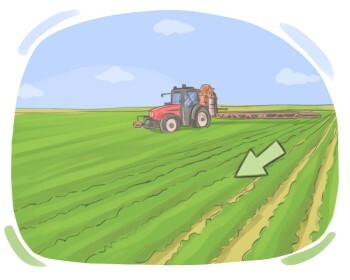
Ex: He barely made it to the bus stop in time for the last bus of the day. 
Close
Sign in
crop
crop
[noun]

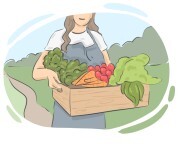
a plant that is grown for food over large areas of land

Ex: The farmers planted a new crop of wheat this season. 
Close
Sign in
resistance

the ability of a person, organism or microorganism to withstand or defend against diseases, drugs, toxins, or environmental stress

Ex: The bacteria developed resistance to multiple antibiotics. 
Close
Sign in
chain
chain
[noun]

a series of connected or interdependent items or events
Ex: The supply chain was disrupted due to the storm. 
Close
Sign in
to exhaust

to use up or deplete a resource, material, or supply completely

Ex: The rapid industrial growth began to exhaust the natural resources in the region, leading to environmental concerns. 
Close
Sign in
gently
gently
[Adverb]

with a soft or light touch, or with minimal force
Ex: The breeze gently rustled the curtains. 
Close
Sign in
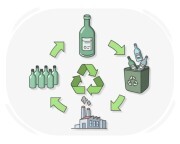
to recycle

to make a waste product usable again

Ex: Recycling paper involves collecting and processing used paper products to make new paper. 
Close
Sign in
classic
classic
[Adjective]

highly typical and recognizable example of a common situation, behavior, or mistake

Ex: The delay was a classic case of poor communication between departments. 
Close
Sign in
yield
yield
[noun]

the total amount of something that is produced, as in agriculture or an industry

Ex: The annual yield of the wheat fields surpassed expectations, resulting in a plentiful harvest. 
Close
Sign in
phenomenon

a remarkable, noteworthy, or outstanding development, person, or thing

Ex: The young pianist is a musical phenomenon. 
Close
Sign in
to boom
to boom
[Verb]

to experience great growth and improvement

Ex: The tech industry began to boom with the rise of smartphones and apps. 
Close
Sign in
disused
disused
[Adjective]

previously in use but is now abandoned, neglected, or no longer in operation

Close
Sign in
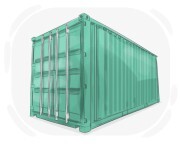
shipping container

a large standardized metal container used for the transportation of goods by ship, truck, or train
Ex: The goods arrived in a shipping container that was carefully sealed for transport. 
Close
Sign in
car park
car park
[noun]

an area where people can leave their cars or other vehicles for a period of time
Ex: She struggled to find a spot in the crowded car park during the weekend shopping rush. 
Close
Sign in
virtuous
virtuous
[Adjective]

having or showing high moral standards

Ex: Maria's virtuous actions earned her the respect of her peers. 
Close
Sign in
to install

to set a piece of equipment in place and make it ready for use
Ex: To upgrade the kitchen, they hired a professional to install the new dishwasher. 
Close
Sign in
roughly
roughly
[Adverb]

without being exact

Ex: The project will take roughly two months to complete. 
Close
Sign in
to run
to run
[Verb]

to own, manage, or organize something such as a business, campaign, a group of animals, etc.
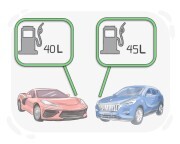
Ex: She ran the family farm, overseeing the planting, harvesting, and sales of their crops. 
Close
Sign in
to consume

to use a supply of energy, fuel, etc.

Ex: During the winter months, households tend to consume more energy for heating to stay warm. 
Close
Sign in
fraction
fraction
[noun]

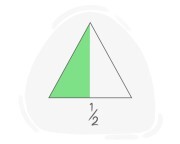
a number obtained by dividing one integer or rational number by another, typically written in the form a/b

Ex: One-half (1/2) is a simple fraction. 
Close
Sign in
based
based
[Adjective]

having a base

Close
Sign in
organic
organic
[Adjective]

(of food or farming techniques) produced or done without any artificial or chemical substances

Ex: Organic farming relies on natural methods and avoids the use of synthetic pesticides and fertilizers. 
Close
Sign in
suited
suited
[Adjective]

fitting for a specific purpose, situation, or person

Ex: The lightweight fabric of the dress is suited for hot weather. 
Close
Sign in
radish
radish
[noun]

an edible root of red color with a pungent taste that is eaten raw in salads
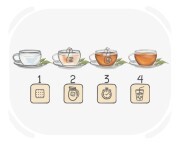
Ex: My mother pickled radishes with vinegar and spices. 
Close
Sign in
simply
simply
[Adverb]

used to show that something is the case and nothing more

Ex: The instructions are simply to follow the steps in order. 
Close
Sign in
return
return
[noun]

the income or profit arising from such transactions as the sale of land or other property

Close
Sign in
nevertheless
nevertheless
[Adverb]

used to introduce an opposing statement

Ex: The plan was risky; they proceeded nevertheless. 
Close
Sign in
picture
picture
[noun]

a situation treated as an observable object

Close
Sign in
harvest
harvest
[noun]

the amount of produce gathered from crops during one growing season

Ex: The wheat harvest this year exceeded expectations. 
Close
Sign in
to account for

to represent a specific amount or portion of a whole

Ex: In our team, experienced professionals account for the majority of the workforce. 
Close
Sign in
overall
overall
[Adverb]

with everything considered

Ex: Overall, the event was a great success. 
Close
Sign in
versus
versus
[preposition]

used to compare or to show contrast between two choices, decisions, etc.

Ex: Cats versus dogs: which pet is more popular in the world? 
Close
Sign in
LanGeek
Download LanGeek app