
Základní Slovní Zásoba pro GRE - Těžké časy
Zde se naučíte některá anglická slova o neúspěchu, jako jsou "abdicate", "fiasco", "languish" atd., která jsou potřebná pro zkoušku GRE.
Revize
Kartičky
tvary
Pravopis
Kvíz


to not accept or complete an obligation or duty

abdikovat, vzdát se
Cítila, že nemá na výběr, než abdikovat ze své pozice poté, co nesplnila očekávání.

to have a result contrary to what one desired or intended
obrátit se proti, mít opačný účinek
Strategie zvýšení prodejů zvýšením cen měla opačný účinek, když se zákazníci obrátili na levnější alternativy.
causing a negative consequence or cost to someone or something in order to benefit another
na úkor
Popularita politika vzrostla, ale stalo se to na úkor jeho integrity.

a flaw, weakness, or shortcoming that reduces the effectiveness, quality, or completeness of something
nedostatek, vada

to cleverly avoid or escape from someone or something
uniknout, vyhnout se
Uprchlík obratně unikl orgánům činným v trestním řízení změnou identity a umístění.
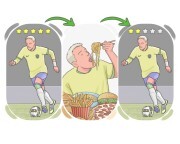
to intentionally cause something or someone to fail or experience a negative outcome by creating specific conditions
odsoudit, přivodit neúspěch
Úmyslná sabotáž odsoudila jejich šance na vítězství v soutěži.
a quick and unexpected downfall
fiasko, kolaps
Dobročinná aukce byla fiaskem, když technické problémy zabránily podávání nabídek.
to remain the same and fail to make any progress
stagnovat, neprogresovat
Kdyby byla strategie společnosti agresivnější, růst by možná nezůstal stejný.
to experience confusion, indecision, or difficulty in finding a solution
tápat, zápasit
Spisovatel narazil na tvůrčí blok a začal tápat.
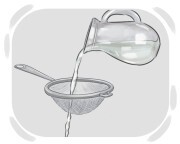
unable to result in success or anything useful
marný, zbytečný
Jejich pokusy opravit staré stroje se ukázaly jako marné, protože byly mimo opravu.
a situation that is disturbing because it causes difficulty or problems
obtíž, problém
Správa více termínů vytvořila problém pro vytížený tým.
bringing bad fortune or ending in failure
nešťastný, osudový
Osudový románek mezi nešťastnými milenci skončil zlomeným srdcem a zoufalstvím.
(of a system, organization, etc.) to experience a sudden or dramatic failure
implodovat, zažít náhlý kolaps
Kdysi prosperující technologická společnost zkolabovala pod tíhou vlastních dluhů.
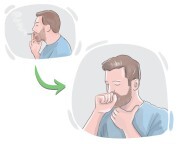
putting someone or something at a disadvantage
nepříznivý, nevýhodný
Nešťastná prohra týmu v prvním zápase nastavila negativní tón pro turnaj.
difficulties caused by something that makes one irritated or uncomfortable
nepříjemnost, obtíž
Považoval za velkou nepohodlí dojíždět každý den dvě hodiny do práce.
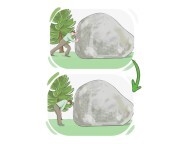
without success or achieving the desired result
marně, bez úspěchu
Lékař neúnavně pracoval na záchraně pacienta, ale bohužel se veškeré úsilí ukázalo jako marné a pacienta se nepodařilo oživit.
to fail to be successful or make any progress
chřadnout, stagnovat
Legislativa upadala v Kongresu měsíce, neschopná získat potřebnou podporu k postupu vpřed.
a thing or person that cannot be fixed, saved, or made successful
ztracená věc, beznadějný případ
to fail to achieve a desired outcome
selhat, ztroskotat
Experimentální lék selhal v klinických studiích, nepřinesl očekávané výsledky.
a person who lacks influence or importance in a particular setting or community
nula, osoba bez vlivu
Byl zacházen jako s ničím hlavními hráči v obchodním světě.
to go beyond limits of one's power or authority, often resulting in negative consequences or failure
překročit meze, zneužít pravomoc
Rozhodnutí ředitele expandovat příliš rychle vedlo společnost k překročení jejích limitů a čelit finančním potížím.
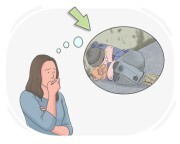
deserving pity due to perceived weakness or sadness
ubohý, patetický
Opuštěné štěně se svýma smutnýma očima a třesoucím se tělem vypadalo naprosto pateticky a vyvolávalo silnou touhu nabídnout útěchu.

to continually cause someone or something difficulty, pain, or worry
sužovat, trápit
Společnost byla sužována častými pády systému, což způsobovalo přerušení.

unstable or insecure, often causing anxiety
nejistý, nestabilní
Politické klima bylo nejisté, což vedlo k rozšířené nejistotě mezi občany.
to do something in order to cause something such as an opportunity or plan to fail
zhatit, pokazit
Když jsme si uvědomili problém, změny na poslední chvíli již zhatily naše plány.

a problem that gets in the way of a process or makes it worse
neúspěch, překážka

to not succeed in doing or accomplishing something
neuspět, nedosáhnout cíle
Vědec byl po několika experimentech zklamaný, že neuspěl v objevení převratného řešení.
(of a scheme, system, organization, etc.) to begin to fail or fall apart
rozplést se, zhroutit se
Do příštího roku se strategie rozpadne, pokud současné problémy nebudou vyřešeny.

to speak to someone in a way that suggests they are inferior or less intelligent than the speaker
mluvit s někým povýšeně jako by byl méně inteligentní, mluvit tak aby druhý působil méně inteligentně nebo méněcenně
Vždy mluví povýšeně ke svým zaměstnancům, což ovlivňuje jejich morálku.

an individual, team, etc. who is regarded as weaker compared to others and has little chance of success as a result
outsider, slabší
not possible to reach or obtain
nedosažitelný, nepřístupný
Fitness cíle stanovené programem se začátečníkům zdály nedosažitelné.
causing problem or difficulty
trnitý, obtížný
Společnost čelila ošemetnému dilematu, když se jednalo o volbu mezi ziskovostí a udržitelností.

(of a relationship, negotiation, etc.) to fail to function properly
selhat, zhroutit se
Komunikace mezi členy týmu se rozpadla, což ovlivnilo jejich produktivitu.

(of a joke, remark, event, etc.) to be completely unsuccessful in amusing people or having the desired effect
úplně vyznít naprázdno, minout se účinkem
Její sarkastická poznámka na schůzi úplně vyzněla naprázdno.
in a way that results in an absolute failure or disaster
smrtelně, osudně
Strategie byla osudově neúčinná, což vedlo ke kolapsu projektu.
to stay in the thoughts of someone for a long time
pronásledovat, sužovat
to fail in achieving the desired result
to bring about the destruction of a system, organization, etc.
implodovat, zhroutit se
