
Podstawowe Słownictwo do GRE - Ciężkie czasy
Tutaj nauczysz się niektórych angielskich słów dotyczących porażki, takich jak "abdicate", "fiasco", "languish" itp., które są potrzebne do egzaminu GRE.
Przegląd
Fiszki
formy
Pisownia
Test


to not accept or complete an obligation or duty

abdykować, zrzekać się
Zespół zmagał się po tym, jak kierownik projektu zrzekł się swoich obowiązków.
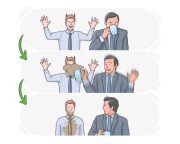
to have a result contrary to what one desired or intended
odwrócić się przeciwko, przynieść odwrotny skutek
Próba przyspieszenia projektu przez cięcie narożników przyniosła odwrotny skutek, powodując opóźnienia i błędy.
causing a negative consequence or cost to someone or something in order to benefit another
kosztem
Jego sukces przyszedł kosztem jego zdrowia, ponieważ poświęcił sen i ćwiczenia, aby dotrzymać terminów.
a flaw, weakness, or shortcoming that reduces the effectiveness, quality, or completeness of something
wada, brak
Emocjonalne niedobory we wczesnym życiu mogą wpływać na zachowanie dorosłych.
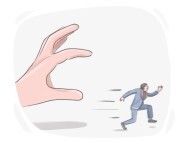
to cleverly avoid or escape from someone or something
wymykać się, uniknąć
Zabawne wybryki kota pozwolą mu wymknąć się z uchwytu właściciela podczas gry.
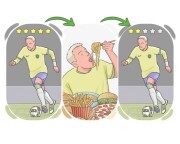
to intentionally cause something or someone to fail or experience a negative outcome by creating specific conditions
potępiać, skazywać na niepowodzenie
Powtarzające się naruszenia polityk skazują reputację firmy.
a quick and unexpected downfall
fiasko, upadek
Próba naprawy starego oprogramowania zakończyła się fiaskiem, powodując więcej problemów niż rozwiązań.
to remain the same and fail to make any progress
stagnować, nie robić postępów
Rynek utknie w miejscu, jeśli nie zostaną wprowadzone nowe innowacje.
to experience confusion, indecision, or difficulty in finding a solution
miotać się, borykać się
Sportowiec, stojąc przed wątpliwościami, zaczął miotać się psychicznie, co wpłynęło na jego występ na boisku.
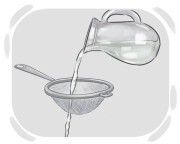
unable to result in success or anything useful
daremny, bezużyteczny
Ich próby naprawy starej maszynerii okazały się daremne, ponieważ nie nadawała się już do naprawy.
a situation that is disturbing because it causes difficulty or problems
kłopot, problem
Aktualizacja oprogramowania okazała się kłopotliwa, z licznymi błędami i usterkami.
bringing bad fortune or ending in failure
nieszczęsny, fatalny
Pechowy wrak statku pozostawił rozbitków na bezludnej wyspie przez tygodnie.
(of a system, organization, etc.) to experience a sudden or dramatic failure
implodować, doznać nagłego załamania
Niepowodzenie startupu w zabezpieczeniu finansowania doprowadziło do jego upadku przed premierą pierwszego produktu.

putting someone or something at a disadvantage
niekorzystny, niesprzyjający
Niefortunny początek kampanii utrudnił nabranie rozpędu.
difficulties caused by something that makes one irritated or uncomfortable
niedogodność, niewygoda
Zepsuta winda była niedogodnością dla starszych mieszkańców mieszkających na wyższych piętrach.
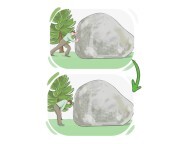
without success or achieving the desired result
na próżno, bezskutecznie
Czekała na odpowiedź na swój list, ale jej nadzieje były daremne, ponieważ nie nadeszła żadna odpowiedź.
to fail to be successful or make any progress
marnieć, stagnować
Mimo swoich kwalifikacji, marniała na stanowisku podstawowym bez możliwości awansu.
a thing or person that cannot be fixed, saved, or made successful
to fail to achieve a desired outcome
ponieść porażkę, nie powieść się
Próba reformy systemu nie powiodła się, pozostawiając stare problemy nierozwiązane.
a person who lacks influence or importance in a particular setting or community
zero, osoba bez znaczenia
Stażysta w firmie był uważany za nikogo wśród wyższej kadry kierowniczej.
to go beyond limits of one's power or authority, often resulting in negative consequences or failure
przekraczać granice, nadużywać władzy
Rząd przekroczył swoje uprawnienia, wprowadzając przepisy wykraczające poza jego zakres prawny.
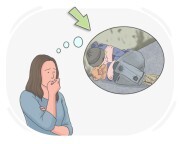
deserving pity due to perceived weakness or sadness
żałosny, patetyczny
Porzucony szczeniak ze smutnymi oczami i drżącym ciałem wyglądał całkowicie żałośnie, wywołując silne pragnienie, aby zaoferować pocieszenie.

to continually cause someone or something difficulty, pain, or worry
dręczyć, nękać
Trwające konflikty mogą nękać relacje między jednostkami lub narodami.

unstable or insecure, often causing anxiety
niepewny, niestabilny
Znalazł się w niepewnej sytuacji bez wyraźnego rozwiązania w zasięgu wzroku.
to do something in order to cause something such as an opportunity or plan to fail
pokrzyżować plany, udaremnić
Jego ostatnie zastrzeżenia zniweczyły umowę, która była prawie sfinalizowana.
a problem that gets in the way of a process or makes it worse
niepowodzenie, przeszkoda
Firma doznała niepowodzenia, gdy ich główny dostawca zbankrutował.
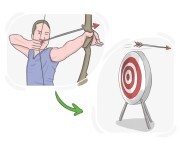
to not succeed in doing or accomplishing something
ponieść porażkę, nie udać się
Po kilku nieudanych próbach czuł się zdemoralizowany, nadal ponosząc porażkę w znalezieniu odpowiedniej pracy.
(of a scheme, system, organization, etc.) to begin to fail or fall apart
rozwikłać się, rozpaść się
Jeśli problemy nie zostaną rozwiązane, projekt rozpadnie się do końca kwartału.

to speak to someone in a way that suggests they are inferior or less intelligent than the speaker
mówić z góry, umniejszać
Trener podkreślił znaczenie nie mówienia z góry do kolegów z drużyny podczas meczu.
an individual, team, etc. who is regarded as weaker compared to others and has little chance of success as a result
outsider, słabszy
Mimo bycia outsiderem w negocjacjach, udało mu się zabezpieczyć korzystną umowę dla swojej firmy.
not possible to reach or obtain
nieosiągalny, niedostępny
Jego marzenie o zostaniu sławnym aktorem wydawało się nieosiągalne pomimo jego wysiłków.
causing problem or difficulty
ciernisty, trudny
Równoważenie obowiązków zawodowych i rodzinnych może być trudnym problemem dla wielu osób.

(of a relationship, negotiation, etc.) to fail to function properly
załamać się, zawieść
Ich małżeństwo zaczęło się psuć po latach ciągłych kłótni i nieporozumień.
![to [fall] flat](https://cdn.langeek.co/photo/40829/thumb/350?type=jpeg "to [fall] flat")
(of a joke, remark, event, etc.) to be completely unsuccessful in amusing people or having the desired effect
zupełnie nie wypalić, nie wywołać efektu
Wydarzenie zupełnie nie wypaliło mimo miesięcy planowania.
in a way that results in an absolute failure or disaster
śmiertelnie, w sposób fatalny
Decyzja CEO o cięciu kosztów w testach bezpieczeństwa produktu była fatalna dla reputacji firmy.
to stay in the thoughts of someone for a long time
nawiedzać, prześladować
Porażka jego pierwszego przedsięwzięcia prześladowała go przez całą karierę.
to fail in achieving the desired result
to bring about the destruction of a system, organization, etc.
implodować, zawalić się
