pattern

Essential Vocabulary for the GRE - Hard Times

Here you will learn some English words about failure, such as "abdicate", "fiasco", "languish", etc. that are needed for the GRE exam.

Review

Flashcards

Forms

Spelling

Quiz

Start learning
Essential Words Needed for the GRE
to abdicate

to not accept or complete an obligation or duty
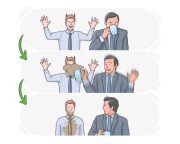
Ex: The manager decided to abdicate responsibility for the project's failure. 
Close
Sign in
to backfire

to have a result contrary to what one desired or intended

Ex: His attempt to prank his friend backfired when she turned the tables on him. 
Close
Sign in
at the expense of
at the expense of
[preposition]

causing a negative consequence or cost to someone or something in order to benefit another

Ex: His success came at the expense of his personal life, as he devoted all his time to work. 
Close
Sign in
deficiency

a flaw, weakness, or shortcoming that reduces the effectiveness, quality, or completeness of something
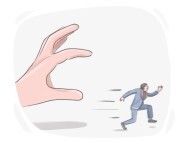
Ex: Her argument was convincing despite a few logical deficiencies. 
Close
Sign in
to elude
to elude
[Verb]

to cleverly avoid or escape from someone or something
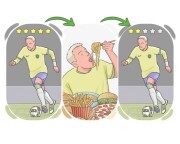
Ex: The criminal skillfully eludes the police, disappearing into the crowded city. 
Close
Sign in
to doom
to doom
[Verb]

to intentionally cause something or someone to fail or experience a negative outcome by creating specific conditions

Ex: The unethical business practices were sure to doom the company's reputation and success in the long run. 
Close
Sign in
fiasco
fiasco
[noun]

a quick and unexpected downfall

Ex: The diplomatic summit turned into a fiasco when key agreements fell apart. 
Close
Sign in
to flatline

to remain the same and fail to make any progress

Ex: Sales figures flatlined after the initial surge in popularity. 
Close
Sign in
to flounder

to experience confusion, indecision, or difficulty in finding a solution
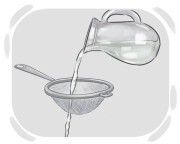
Ex: The student started to flounder, unable to concentrate and organize their thoughts. 
Close
Sign in
futile
futile
[Adjective]

unable to result in success or anything useful

Ex: Their attempts to repair the old machinery proved futile, as it was beyond repair. 
Close
Sign in
hassle
hassle
[noun]

a situation that is disturbing because it causes difficulty or problems

Ex: Returning the item was a real hassle because of the long lines at the store. 
Close
Sign in
ill-fated
ill-fated
[Adjective]

bringing bad fortune or ending in failure

Ex: The ill-fated expedition to the Arctic ended tragically when the explorers became stranded in a snowstorm. 
Close
Sign in
to implode

(of a system, organization, etc.) to experience a sudden or dramatic failure
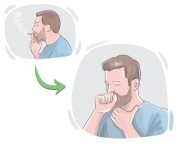
Ex: The company’s financial instability caused it to implode overnight. 
Close
Sign in
inauspicious
inauspicious
[Adjective]

putting someone or something at a disadvantage

Ex: The company’s inauspicious financial report worried investors. 
Close
Sign in
inconvenience

difficulties caused by something that makes one irritated or uncomfortable
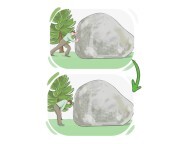
Ex: We apologize for the inconvenience caused by the construction noise outside the hotel. 
Close
Sign in
in vain
in vain
[Adverb]

without success or achieving the desired result

Ex: Despite hours of searching, the lost keys were found in vain, and she had to get a spare set. 
Close
Sign in
to languish

to fail to be successful or make any progress

Ex: The once-promising startup began to languish after losing its major investor and failing to secure additional funding. 
Close
Sign in
lost cause

a thing or person that cannot be fixed, saved, or made successful

Ex: After numerous failed attempts, the project seemed like a lost cause. 
Close
Sign in
to miscarry

to fail to achieve a desired outcome

Ex: The project miscarried due to a lack of proper planning and resources. 
Close
Sign in
nonentity
nonentity
[noun]

a person who lacks influence or importance in a particular setting or community

Ex: The critic dismissed the artist as a nonentity in the art community. 
Close
Sign in
to overreach

to go beyond limits of one's power or authority, often resulting in negative consequences or failure
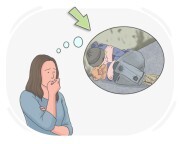
Ex: He overreached himself by taking on too many responsibilities, leading to burnout and decreased performance. 
Close
Sign in
pathetic
pathetic
[Adjective]

deserving pity due to perceived weakness or sadness

Ex: The abandoned puppy with its forlorn eyes and shivering body looked utterly pathetic, evoking a strong desire to offer comfort. 
Close
Sign in
to plague
to plague
[Verb]

to continually cause someone or something difficulty, pain, or worry

Ex: Technical issues can plague the functionality of software applications. 
Close
Sign in
precarious
precarious
[Adjective]

unstable or insecure, often causing anxiety

Ex: The company's finances were in a precarious state, with bankruptcy looming on the horizon. 
Close
Sign in
to scupper

to do something in order to cause something such as an opportunity or plan to fail

Ex: The unexpected delay scuppered our plans for the big presentation. 
Close
Sign in
setback
setback
[noun]

a problem that gets in the way of a process or makes it worse
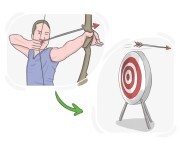
Ex: The unexpected financial setback forced them to postpone their expansion plans. 
Close
Sign in
to strike out

to not succeed in doing or accomplishing something

Ex: Despite their efforts, the team struck out in their attempt to win the championship. 
Close
Sign in
to unravel

(of a scheme, system, organization, etc.) to begin to fail or fall apart
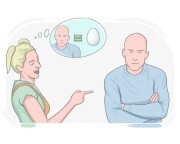
Ex: The company's plans began to unravel after the key investor pulled out. 
Close
Sign in
to talk down

to speak to someone in a way that suggests they are inferior or less intelligent than the speaker
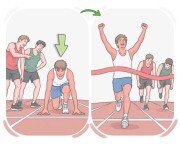
Ex: Instead of talking down, offer constructive feedback for improvement. 
Close
Sign in
underdog
underdog
[noun]

an individual, team, etc. who is regarded as weaker compared to others and has little chance of success as a result

Ex: The underdog team surprised everyone by defeating the reigning champions in the final match. 
Close
Sign in
unattainable
unattainable
[Adjective]

not possible to reach or obtain

Ex: The project’s expectations were set so high that they seemed unattainable. 
Close
Sign in
thorny
thorny
[Adjective]

causing problem or difficulty

Ex: The negotiations between the two countries hit a thorny issue regarding trade tariffs. 
Close
Sign in
to break down

(of a relationship, negotiation, etc.) to fail to function properly

Ex: The negotiations broke down after hours of intense debate. 
Close
Sign in
to [fall] flat
to fall flat
[phrase]

(of a joke, remark, event, etc.) to be completely unsuccessful in amusing people or having the desired effect

Ex: His joke fell flat, and no one laughed. 
Close
Sign in
fatally
fatally
[Adverb]

in a way that results in an absolute failure or disaster

Ex: The ship's navigation system malfunctioned, contributing fatally to its collision with an iceberg. 
Close
Sign in
to haunt
to haunt
[Verb]

to stay in the thoughts of someone for a long time

Ex: The memory of the accident continued to haunt her for years. 
Close
Sign in
to [miss] the mark

to fail in achieving the desired result

Ex: Her speech missed the mark and failed to generate the public support she had been hoping for. 
Close
Sign in
to implode

to bring about the destruction of a system, organization, etc.

Close
Sign in
LanGeek
Download LanGeek app