
Basic Sciences - Genetics
Study terms related to genes, DNA, chromosomes, inheritance, genetic variation, gene expression, and genetic modification.
Revize
Kartičky
Pravopis
Kvíz
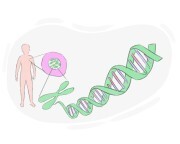
(genetics) a basic unit of heredity and a sequence of nucleotides in DNA that is located on a chromosome in a cell and controls a particular quality

gen, genetická jednotka

all of the genes that are available within breeding populations of a particular species of animal or plant
genofond, genetický bazén
the ordering of nucleotides in DNA molecules that carries the genetic information in living cells
genetický kód, genetické kódování
(biology) (of a gene) to contain the instructions for making a specific protein
one of two or more alternative forms of a gene that arise by mutation and are found at the same place on a chromosome
alela, genetická varianta
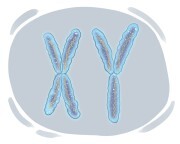
a very small threadlike structure in a living organism that carries the genes and genetic information
chromozom, chromozomální prvek
(genetics) a chromosome that determines whether an individual is male or female
a cell or a group of cells created through a natural or artificial process from a source that they are genetically identical to
klon, klonování
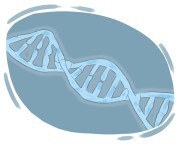
(biochemistry) a chemical substance that carries the genetic information, which is present in every cell and some viruses
DNA, deoxyribonukleová kyselina
(of genes) causing a person to inherit a particular physical feature, even if it is only present in one parent's genome
dominantní, převládající
(of a gene or trait) showing its specific appearance only when an individual inherits it from both parents
recesivní, ustupující
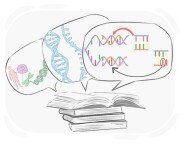
the science or process of deliberately modifying the features of a living organism by changing its genetic information
genové inženýrství, genetická manipulace
having had an altered genetic structure in order to serve a particular purpose, such as being more resistant to disease, bearing more fruit, etc.
geneticky modifikovaný, geneticky upravený
the complete set of genetic material of any living thing
genom
(genetics) a group of organisms that share the same genetic makeup or specific genetic traits
the genetic makeup of an organism, determined by the combination of genes inherited from its parents
genotyp
the observable physical and behavioral characteristics of an organism, resulting from the interaction of its genotype (genetic makeup) with the environment
fenotyp, pozorovatelné charakteristiky
(biology) a living thing whose DNA has been altered by humans to give it new traits, like disease resistance or higher yield
an individual organism or cell with two different alleles at a specific gene locus, having inherited different genetic information from each parent
heterozygot, heterozygotní jedinec
an individual organism or cell with two identical alleles at a specific gene locus, having inherited the same genetic information from both parents
homozygot, homozygotní organismus
(genetics) capable of being passed from parent to offspring through genes
(biochemistry) a substance that slows down or stops a chemical or biological process
a living organism that is different from its kind because of a genetic change
mutant, živý organismus
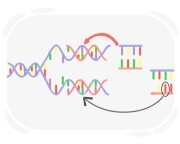
to cause genetic changes
mutovat, způsobit genetické změny
(biology) a segment of DNA that directs its own copying during cell division
(of an organism) having genetic material from another species that has been artificially introduced into its genome
transgenní, geneticky modifikovaný
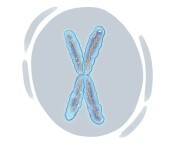
a sex chromosome, two of which exist in female cells and only one in male cells
X chromozom, pohlavní chromozom X
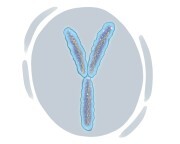
a sex chromosome, which is normally present only in male cells
Y chromozom, chromozom Y
(genetics) a person who carries a disease-causing gene without showing symptoms but can pass it to their children
(genetics) the process by which a gene's information is used to make a protein
