
Slovní zásoba pro IELTS Academic (Skóre 6-7) - Negativní Emoce
Zde se naučíte některá anglická slova související s negativními emocemi, která jsou nezbytná pro akademickou zkoušku IELTS.
Revize
Kartičky
Pravopis
Kvíz

a state of complete emptiness, loneliness, or devastation

pustota, opuštěnost
Válečný veterán se vrátil na bojiště, přemožen pustotou, která ostře kontrastovala se vzpomínkami na kamarádství.

the feeling of annoyance, disappointment, or discouragement caused by being unable to achieve or do something
frustrace, zklamání
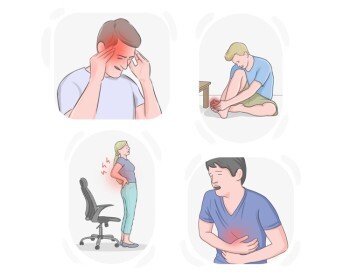
severe physical or mental pain
utrpení, muka
Pacienti s těžkými popáleninami často zažívají nesnesitelnou agonii během léčby.

a feeling of dissatisfaction and unhappiness with one's current situation or circumstances
nespokojenost
Rozšířená nespokojenost mezi pracovníky vedla k sérii stávek, které prosazovaly lepší mzdy a výhody.

a feeling and attitude of resentment or hostility towards others, often stemming from past experiences of pain, betrayal, or disappointment
hořkost,zášť
Hořkost v jejím tónu odrážela zklamání, které cítila poté, co objevila pravdu o situaci.
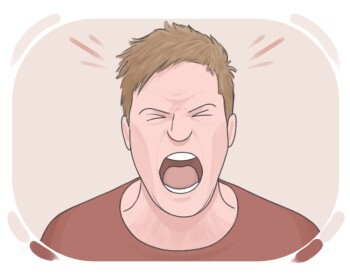
an intense sense of rage
hněv, zuřivost
Demonstranti čelili hněvu úřadů, které reagovaly brutální silou a násilím.

a feeling of shame, regret, or responsibility for having done something wrong
vina, pocit viny
a sense of great regret that one feels as a result of having done something bad or wrong
lítost
Omluvil se a projevil upřímnou lítost za nedorozumění.

the uncomfortable feeling of being ashamed, awkward, or self-conscious
rozpaky
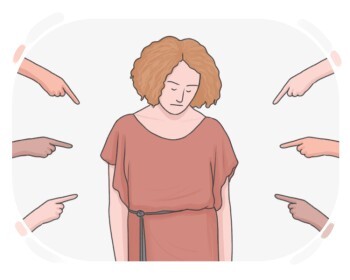
intense embarrassment from being made to look foolish or stupid
ponížení, ostuda
Kárání manažera přineslo ponížení zaměstnanci.
a state of extreme anxiety
agitace
Náhlá změna politiky vyvolala rozšířené rozrušení v organizaci.
a state of impatience or unease, characterized by a persistent desire for change, action, or relief from a current situation
neklid, netrpělivost
Neklid teenagera v předvečer cesty signalizoval vzrušení z nadcházejícího dobrodružství.

the negative quality of having doubts about the future and expect the worst possible outcomes
pesimismus
Jeho pesimismus ohledně ekonomiky ovlivnil jeho investiční volby.
a state of being left behind, deserted, or without support or care
opuštění
Jeho boj s pocity opuštění se zesílil po náhlém konci dlouhodobého vztahu.
the state of being exposed to the possibility of emotional distress
zranitelnost, citlivost
Děti projevují zranitelnost, když se potýkají s výzvami dospívání a učí se vyrovnávat se svými emocemi a zkušenostmi.

a feeling of annoyance or discomfort caused by something that is bothersome or unpleasant
podrážděnost, nepříjemnost
Neustálé zvonění telefonu způsobilo během schůzky velké podráždění.

the feeling of being uninterested or restless because things are dull or repetitive
nuda, znuděnost
Během deštivého víkendu si děti stěžovaly na nudu, protože jim došly věci k dělení.

a feeling of great distress or sadness
zlomené srdce, smutek
Prohra v zápase o mistrovství v posledních vteřinách byl srdcervoucí okamžik pro tým i jejich fanoušky.
a state of suffering or misfortune, often accompanied by a sense of grief or sadness
žal, neštěstí
Náhla ztráta milovaného člověka přinesla nesmírné utrpení truchlící rodině.
the state of being dissatisfied, discontented, or unhappy
nespokojenost, nelibost
Navzdory jeho snaze skrýt své nespokojenost, jeho nedostatek nadšení byl během schůzky zřejmý.
the state or condition of not being happy, characterized by feelings of dissatisfaction, discontent, or sorrow
nespokojenost, smutek
Po špatné zprávě nedokázala skrýt svou nespokojenost.
extreme and often uncontrollable anger
vztek, zuřivost

a sudden intense feeling of fear or anxiety that makes it difficult to think or act calmly
panika
a deep feeling of anger and dislike toward someone because of what they did in the past
zášť, nenávist
Snažila se odpustit, ale zášť zrady přetrvávala.

an accusation that someone is responsible for a mistake, fault, or wrongdoing
vina, odpovědnost

a feeling of unease, distress, or emotional strain
nepohodlí, neklid
Kritika vyvolala nepohodlí mezi členy týmu.
the feeling or state of having lost all hope
zoufalství, beznaděj
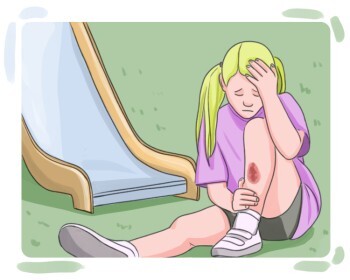
a state of extreme physical pain or mental distress
úzkost, utrpení
Tváří v tvář osobní krizi hledala terapii, která by jí pomohla zvládnout zdrcující utrpení a emocionální bolest.
a lasting feeling of anger or bitterness because of unfair treatment
zášť, hořkost
Hluboká zášť vůči rozhodnutí nadále formovala reakci komunity.
| Slovní zásoba pro IELTS Academic (Skóre 6-7) | |||
|---|---|---|---|
| Zločin | Trest | Vláda | Politika |
| Měření | Válka | Pozitivní Emoce | Negativní Emoce |
| Cestování a Turistika | Migrace | Jídlo a Nápoje | Materiály |
| Znečištění | Katastrofy | Počasí | Zvířata |
| Příslovce způsobu | Příslovce Stupně | Příslovce Komentáře a Jistoty | Příslovce Času a Frekvence |
