pattern

Slovní zásoba pro IELTS Academic (Skóre 6-7) - Politics

Zde se naučíte některá anglická slova související s politikou, která jsou nezbytná pro akademickou zkoušku IELTS.

Revize

Kartičky

tvary

Pravopis

Kvíz

Začněte se učit
Vocabulary for Academic IELTS (6-7)
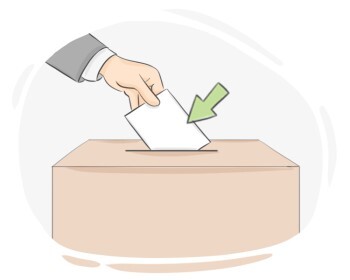
democracy
democracy
[Podstatné jméno]

a form of government where the power is vested in the hands of the people, either directly or through elected representatives

demokracie

demokracie

Ex: In a democracy, the judiciary is independent from the executive and legislative branches .

V demokracii je soudní moc nezávislá na výkonné a zákonodárné moci.

referendum
referendum
[Podstatné jméno]

a vote in which all the people of a country are asked to decide on one political question

referendum, lidové hlasování

referendum, lidové hlasování

Ex: The prime minister resigned after losing the referendum on constitutional reform .

Premiér rezignoval po prohře v referendu o ústavní reformě.

federalism
federalism
[Podstatné jméno]

a political system in which a central government controls the affairs of each self-governed state

federalismus

federalismus

Ex: The principles of federalism were designed to protect the sovereignty of individual states while maintaining a unified national government .

Principy federalismu byly navrženy tak, aby chránily suverenitu jednotlivých států při zachování jednotné národní vlády.
regime
regime
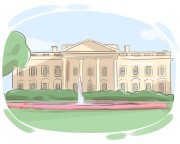
[Podstatné jméno]

a system of governing that is authoritarian and usually not selected in a fair election

režim, autoritativní vláda

režim, autoritativní vláda

Ex: The authoritarian regime imposed strict censorship on the media.

Autoritativní režim uvalil na média přísnou cenzuru.

ideology
ideology
[Podstatné jméno]

a set of beliefs or principles that guide a community or nation

ideologie, doktrína

ideologie, doktrína

Ex: The nation 's founding ideology emphasized freedom and equality for all .

Zakládající ideologie národa zdůrazňovala svobodu a rovnost pro všechny.

lobbyist
lobbyist
[Podstatné jméno]

someone who attempts to persuade politicians to agree or disagree with a law being made or changed

lobbista, vlivný agent

lobbista, vlivný agent

opposition
opposition
[Podstatné jméno]

the main political party opposed to the government

opozice

opozice

Ex: The opposition accused the government of suppressing free speech and dissent .

Opozice obvinila vládu z potlačování svobody projevu a nesouhlasu.

monarchy
monarchy
[Podstatné jméno]

a system of government or a country or state that is ruled by a king or queen

monarchie, království

monarchie, království

Ex: In a constitutional monarchy, the king or queen's powers are limited by law.

V konstituční monarchii jsou pravomoci krále nebo královny omezeny zákonem.

constituency
constituency
[Podstatné jméno]

a group of people in a specific area who elect a representative to a legislative position

volební obvod, voličstvo

volební obvod, voličstvo

Ex: A survey was conducted to gauge the opinion of the constituency on the new tax reform .

Byl proveden průzkum, který měřil názor volebního obvodu na novou daňovou reformu.

faction
faction
[Podstatné jméno]

arguments and disagreements between small groups of people within a political party or an organization

frakce,  rozdělení

frakce, rozdělení

ballot
ballot
[Podstatné jméno]

a document listing the options or candidates used in voting

hlasovací lístek, hlas

hlasovací lístek, hlas

Ex: Each ballot was checked for accuracy before distribution .

Každý hlasovací lístek byl před distribucí zkontrolován na přesnost.

coalition
coalition
[Podstatné jméno]

an alliance between two or more countries or between political parties when forming a government or during elections

koalice, aliance

koalice, aliance

Ex: The trade union formed a coalition with student organizations to advocate for better working conditions and affordable education .

Odborová organizace vytvořila koalici se studentskými organizacemi, aby prosazovala lepší pracovní podmínky a dostupné vzdělání.

propaganda
propaganda
[Podstatné jméno]

information and statements that are mostly biased and false and are used to promote a political cause or leader

propaganda
propaganda

Ex: The rise of social media has made it easier to disseminate propaganda quickly and widely .

Vzestup sociálních médií usnadnil rychlé a široké šíření propagandy.

to boycott
to boycott
[sloveso]

to refuse to buy, use, or participate in something as a way to show disapproval or to try to bring about a change

bojkotovat, zúčastnit se bojkotu

bojkotovat, zúčastnit se bojkotu

Ex: The school boycotted the exam because of unfair grading policies .

Škola bojkotovala zkoušku kvůli nespravedlivým klasifikačním politikám.

embargo
embargo
[Podstatné jméno]

an official order according to which any commercial activity with a particular country is banned

embargo, obchodní zákaz

embargo, obchodní zákaz

socialism
socialism
[Podstatné jméno]

an economic system in which the state owns and manages major resources, industries, or capital

socialismus, kolektivismus

socialismus, kolektivismus

Ex: Socialism aims to reduce inequality through state-managed resources .

Socialismus si klade za cíl snížit nerovnost prostřednictvím státem spravovaných zdrojů.

capitalism
capitalism
[Podstatné jméno]

an economic and political system in which industry, businesses, and properties belong to the private sector rather than the government

kapitalismus, kapitalistický systém

kapitalismus, kapitalistický systém

Ex: The collapse of the socialist regimes in Eastern Europe marked a shift towards capitalism in those countries .

Kolaps socialistických režimů ve východní Evropě znamenal posun směrem k kapitalismu v těchto zemích.

patriotism
patriotism
[Podstatné jméno]

the feeling of love or devotion toward one's country, its values, culture, history, and interests

vlastenectví

vlastenectví

Ex: His deep patriotism was reflected in his commitment to learning and speaking the native language of his homeland , as he believed it was essential to preserve the linguistic heritage and cultural identity of his people .

Jeho hluboký patriotismus se odrážel v jeho závazku učit se a mluvit rodným jazykem své vlasti, protože věřil, že je nezbytné zachovat jazykové dědictví a kulturní identitu svého lidu.

liberalism
liberalism
[Podstatné jméno]

the political belief that promotes personal freedom, democracy, gradual changes in society, and free trade

liberalismus, liberální doktrína

liberalismus, liberální doktrína

Ex: Critics argue that liberalism can sometimes overlook the needs of marginalized groups , but its proponents believe that personal freedom and democratic institutions ultimately benefit everyone .

Kritici tvrdí, že liberalismus může někdy přehlížet potřeby marginalizovaných skupin, ale jeho zastánci věří, že osobní svoboda a demokratické instituce nakonec prospívají všem.

communism
communism
[Podstatné jméno]

a political system in which the government controls all industry, every citizen is equally treated, and private ownership does not exist

komunismus, komunistický systém

komunismus, komunistický systém

Ex: The collapse of the Soviet Union in 1991 marked the end of an era for state-controlled communism in Eastern Europe .

Rozpad Sovětského svazu v roce 1991 znamenal konec éry státem kontrolovaného komunismu ve východní Evropě.

regulation
regulation
[Podstatné jméno]

a rule made by the government, an authority, etc. to control or govern something within a particular area

nařízení, regulace

nařízení, regulace

Ex: Environmental regulations limit the amount of pollutants that factories can release into the air and water .

Environmentální předpisy omezují množství znečišťujících látek, které továrny mohou vypouštět do vzduchu a vody.

clause
clause
[Podstatné jméno]

a separate part of a legal document that requires or talks about something specific

klauzule, článek
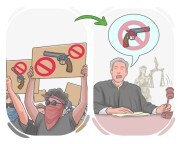
klauzule, článek

Ex: The constitution contains a freedom of speech clause that protects individuals ' rights to express themselves without censorship from the government .

Ústava obsahuje ustanovení o svobodě projevu, které chrání právo jednotlivců vyjadřovat se bez cenzury ze strany vlády.

to revoke
to revoke
[sloveso]

to officially cancel or withdraw something, such as a law, a decision, a license, or a privilege

zrušit, odvolat

zrušit, odvolat

Ex: The school administration will revoke the scholarship if the student 's grades consistently fall below the required level .

Školní správa odvolá stipendium, pokud budou studentovy známky trvale pod požadovanou úrovní.

to legislate
to legislate
[sloveso]

to create or bring laws into effect through a formal process

legislativně působit, přijímat zákony

legislativně působit, přijímat zákony

Ex: The parliament is set to legislate a minimum wage increase in the next session .

Parlament je připraven přijmout zákon o zvýšení minimální mzdy v příštím zasedání.
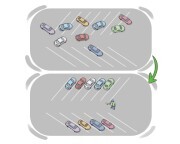
to regulate
to regulate
[sloveso]

to control or adjust something in a way that agrees with rules and regulations

regulovat, kontrolovat

regulovat, kontrolovat

Ex: The manager is actively regulating safety protocols for the workplace .

Manažer aktivně reguluje bezpečnostní protokoly pro pracoviště.

to enact
to enact
[sloveso]

to approve a proposed law

schválit, přijmout

schválit, přijmout

Ex: The government is currently enacting emergency measures in response to the crisis .

Vláda v současné době schvaluje nouzová opatření v reakci na krizi.

to censure
to censure
[sloveso]

to strongly criticize in an official manner

kritizovat, pokárat

kritizovat, pokárat

Ex: The mayor was censured by the city council for his controversial remarks .

Starosta byl pokárán městskou radou za své kontroverzní poznámky.

conservatism
conservatism
[Podstatné jméno]

a political belief with an inclination to keep the traditional values in a society by avoiding changes

konzervatismus

konzervatismus

Ex: Conservatism promotes a strong sense of community and social cohesion .

Konzervatismus podporuje silný pocit komunity a sociální soudržnost.

to legitimatize

to make something lawful, acceptable, or valid

legitimizovat, učinit zákonným

legitimizovat, učinit zákonným

Ex: The court ruling helped legitimize the rights of marginalized communities, a decision that was celebrated by many.

Rozhodnutí soudu pomohlo legitimizovat práva marginalizovaných komunit, rozhodnutí, které mnozí oslavovali.

LanGeek
Stáhnout aplikaci LanGeek