
Vocabulário para IELTS Academic (Pontuação 6-7) - Emoções Negativas
Aqui, você aprenderá algumas palavras em inglês relacionadas a Emoções Negativas que são necessárias para o exame acadêmico do IELTS.
Revisar
Flashcards
Ortografia
Quiz

a state of complete emptiness, loneliness, or devastation

desolação, abandono
O veterano de guerra voltou ao campo de batalha, dominado pela desolação que contrastava fortemente com as memórias de camaradagem.

the feeling of annoyance, disappointment, or discouragement caused by being unable to achieve or do something
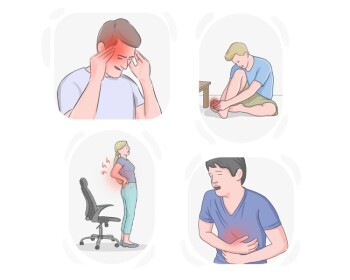
severe physical or mental pain
agonia, sofrimento
Pacientes com queimaduras graves frequentemente experimentam agonia excruciante durante o tratamento.

a feeling of dissatisfaction and unhappiness with one's current situation or circumstances
descontentamento
O descontentamento generalizado entre a força de trabalho resultou em uma série de greves para defender melhores salários e benefícios.

a feeling and attitude of resentment or hostility towards others, often stemming from past experiences of pain, betrayal, or disappointment
amargura, rancor
A amargura em seu tom refletiu a decepção que ela sentiu depois de descobrir a verdade sobre a situação.
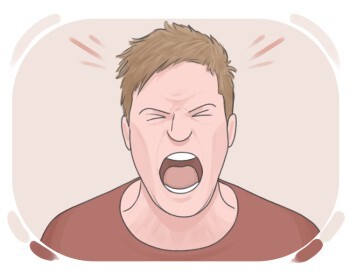
an intense sense of rage
ira, fúria
Os manifestantes enfrentaram a ira das autoridades, que responderam com força brutal e violência.

a feeling of shame, regret, or responsibility for having done something wrong
culpa, remorso
a sense of great regret that one feels as a result of having done something bad or wrong
remorso
Ele pediu desculpas, mostrando verdadeiro remorso pelo mal-entendido.

the uncomfortable feeling of being ashamed, awkward, or self-conscious
vergonha
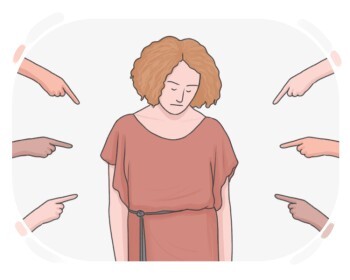
intense embarrassment from being made to look foolish or stupid
humilhação, vergonha
As repreensões do gerente trouxeram humilhação ao funcionário.
a state of extreme anxiety
agitação
A mudança súbita de política criou uma agitação generalizada dentro da organização.
a state of impatience or unease, characterized by a persistent desire for change, action, or relief from a current situation
inquietação, impaciência
A inquietação do adolescente na véspera da viagem sinalizava entusiasmo pela aventura que se aproximava.

the negative quality of having doubts about the future and expect the worst possible outcomes
pessimismo
Seu pessimismo sobre a economia influenciou suas escolhas de investimento.
a state of being left behind, deserted, or without support or care
abandono
Sua luta com sentimentos de abandono intensificou-se após o fim abrupto de um relacionamento de longa data.
the state of being exposed to the possibility of emotional distress
vulnerabilidade, fragilidade
As crianças exibem vulnerabilidade enquanto enfrentam os desafios de crescer, aprendendo a lidar com suas emoções e experiências.

a feeling of annoyance or discomfort caused by something that is bothersome or unpleasant
irritação, aborrecimento
O toque persistente do telefão causou grande irritação durante a reunião.

the feeling of being uninterested or restless because things are dull or repetitive
tédio, aborrecimento
Durante o fim de semana chuvoso, as crianças reclamaram de tédio pois ficaram sem coisas para fazer.
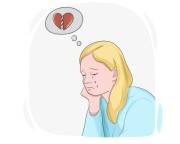
a feeling of great distress or sadness
desgosto, tristeza
Perder a partida do campeonato nos segundos finais foi um momento de partir o coração para a equipe e seus fãs.
a state of suffering or misfortune, often accompanied by a sense of grief or sadness
aflição, dor
A perda súbita de um ente querido trouxe dor imensurável para a família enlutada.
the state of being dissatisfied, discontented, or unhappy
descontentamento, insatisfação
Apesar de seus esforços para mascarar seu descontentamento, sua falta de entusiasmo foi aparente durante a reunião.
the state or condition of not being happy, characterized by feelings of dissatisfaction, discontent, or sorrow
infelicidade, tristeza
Ela não conseguiu esconder sua infelicidade depois de ouvir as más notícias.
extreme and often uncontrollable anger

a sudden intense feeling of fear or anxiety that makes it difficult to think or act calmly
pânico
a deep feeling of anger and dislike toward someone because of what they did in the past
rancor, ressentimento
Ela tentou perdoar, mas o rancor da traição persistiu.

an accusation that someone is responsible for a mistake, fault, or wrongdoing
culpa, responsabilidade

a feeling of unease, distress, or emotional strain
desconforto, mal-estar
A crítica criou desconforto entre os membros da equipe.
the feeling or state of having lost all hope
desespero, desesperança
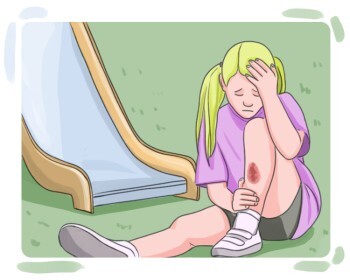
a state of extreme physical pain or mental distress
angústia, sofrimento
Enfrentando uma crise pessoal, ela buscou terapia para ajudar a navegar pela angústia avassaladora e pela dor emocional.
a lasting feeling of anger or bitterness because of unfair treatment
ressentimento, rancor
O ressentimento profundo pela decisão continuou a moldar a resposta da comunidade.
| Vocabulário para IELTS Academic (Pontuação 6-7) | |||
|---|---|---|---|
| Crime | Punição | Governo | Política |
| Medição | Guerra | Emoções Positivas | Emoções Negativas |
| Viagens e Turismo | Migração | Comida e Bebidas | Materiais |
| Poluição | Desastres | Clima | Animais |
| Advérbios de modo | Advérbios de Grau | Advérbios de Comentário e Certeza | Advérbios de Tempo e Frequência |
