
Slovní Zásoba pro IELTS (Obecná) - Vesmír
Zde se naučíte některá anglická slova o vesmíru, jako je "atmosféra", "start", "aerokosmonautika" atd., která jsou potřebná pro zkoušku IELTS.
Revize
Kartičky
Pravopis
Kvíz
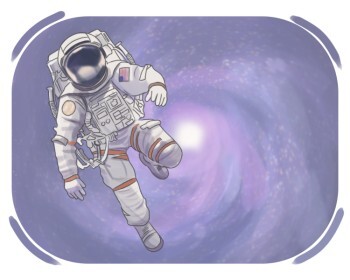
someone who is trained to travel and work in space

astronaut, kosmonaut
Napsal paměti, které podrobně popisují jeho zkušenosti jako astronauta, včetně jeho výstupů do vesmíru a vědeckého výzkumu.
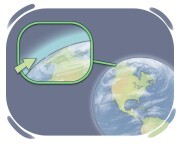
the layer of gases surrounding a planet, held in place by gravity
atmosféra, plynná vrstva
Bez atmosféry nemá Měsíc žádné počasí ani vzduch.
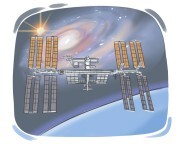
a large structure used as a long-term base for people to stay in space and conduct research
vesmírná stanice, vesmírná základna
Moduly vesmírné stanice jsou vybaveny obytnými prostory, laboratořemi a pozorovacími okny.
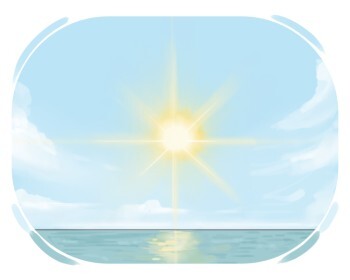
the natural light coming from the sun
sluneční světlo, sluneční paprsky
Cítila sluneční světlo na své tváři, když vyšla ven po dlouhém dni uvnitř.
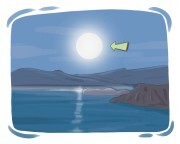
the light coming from the moon
měsíční svit, svit měsíce
Kempující si užili vyprávění příběhů u ohně, zatímco měsíční světlo prosvítalo skrz stromy.
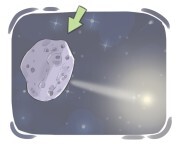
any of the rocky bodies orbiting the sun, ranging greatly in diameter, also found in large numbers between Jupiter and Mars
asteroid, kamenné nebeské těleso
Některé asteroidy obsahují cenné minerály a zdroje, které by mohly být v budoucnu těženy.
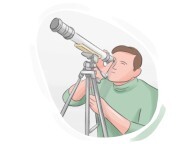
a scientist who studies or observes planets, stars, and other happenings in the universe
astronom
Moderní astronomové používají počítačové simulace a matematické modely k předpovědi nebeských událostí a jevů.
a branch of science that studies space, planets, etc.
astronomie, věda o hvězdách
Univerzita nabízí kurz astronomie pro studenty se zájmem o průzkum vesmíru.

a large number of star systems bound together by gravitational force
galaxie
Pozorování vzdálených galaxií pomáhá astronomům pochopit raný vesmír a procesy, které vedly k formování galaxií.
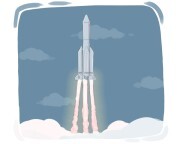
to send an object, such as a satellite, missile, etc., into space
vypustit, odpálit
Vojsko vypustilo raketu jako součást testovacího cvičení.
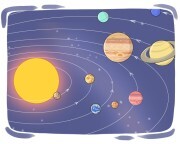
to move around a star, planet, or a large object in space
obíhat, kroužit kolem
Trpasličí planeta Pluto obíhá kolem Slunce v oblasti vesmíru známé jako Kuiperův pás.

a propulsion device with its own fuel that produces thrust through reaction forces
raketa, nosič
Bezpečnostní protokoly jsou klíčové při manipulaci s raketou.
a natural body in space that moves around the earth or other planets
družice, měsíc
Měsíc je satelitem Země, obíhá naši planetu a ovlivňuje příliv a odliv.
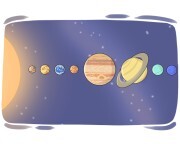
the sun and the group of planets orbiting around it, including the earth
sluneční soustava, sluneční soustava
Vědci věří, že sluneční soustava vznikla před více než 4,5 miliardami let.
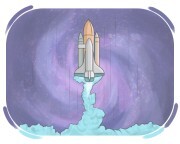
a vehicle designed to travel in space
kosmická loď, vesmírné plavidlo
Po dokončení své mise kosmická loď znovu vstoupila do zemské atmosféry a bezpečně se vrátila se vzorky nasbíranými z vesmíru.
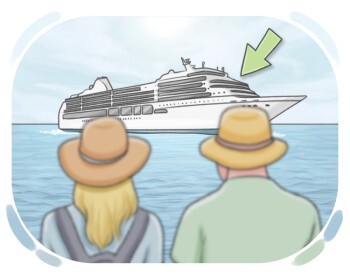
to travel over a long distance by sea or in space
cestovat, plout
Básník napsal verše o námořnících, kteří cestovali na konec světa.
the earth's atmosphere and the space beyond it
letectví a kosmonautika, atmosféra a vesmír
Pokroky v aerokosmické technologii vedly k efektivnější a bezpečnější letecké dopravě po celém světě.

a specific group of stars that form a pattern and have a name related to their shape
souhvězdí, skupina hvězd
Souhvězdí Kasiopeja tvoří výrazný tvar "W" na severní obloze.
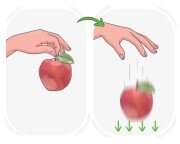
(physics) the universal force of attraction between any pair of objects with mass
gravitace
Síla gravitace na povrchu Země je přibližně 9,81 metrů za sekundu na druhou (m/s²).

relating to the moon
měsíční, lunární
Měsíční krátery jsou tvořeny dopady meteoritů na povrch Měsíce.
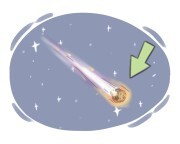
a piece of rock coming from outer space that passes through the Earth's atmosphere, producing light
meteor, meteorit
Perseidy jsou jedny z nejznámějších každoročních meteorických rojů, viditelné v srpnu.
a single complete circular movement around an axis or along an orbit
rotace, otáčení
Model ukazuje rotaci planet ve sluneční soustavě.
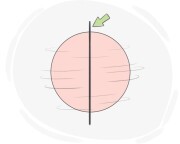
the central point or line around which an object turns
osa, čep
Socha se pomalu otáčela kolem své centrální osy.
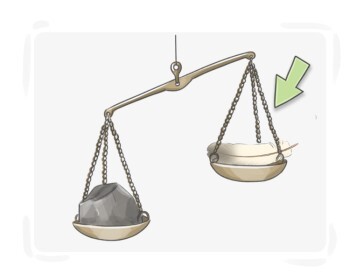
having or seeming to have no or little weight, caused by the absence of gravity
beztížný, ve stavu beztíže
Během letu v beztížném stavu si pasažéři užívají pocit beztíže po krátkou dobu.
an operation carried out in space
mise
Vesmírná sonda NASA Voyager se vydala na historickou misi k průzkumu vnějších planet naší sluneční soustavy.
a rocket that gives a spacecraft or missile the extra power it needs to leave the Earth's atmosphere
urychlovač, booster
the act of counting numbers backwards to zero before the launch of a missile or spacecraft
odpočítávání, zpětný odpočet
an unmanned spacecraft or device sent to gather information from space and transmit it back
sonda, kosmická sonda
Sonda poslala zpět snímky s vysokým rozlišením.
(of the moon) to gradually decrease in its visible illuminated surface as it progresses from full to new moon
ubývat, snižovat se
Jas měsíce začal ubývat jen několik dní po úplňku.
(of the moon) to progressively display a larger illuminated section until it turns into a full moon
přibývat, růst
Měsíc dorůstá, dosahuje plné jasnosti za přibližně dva týdny.
