
Vocabular pentru IELTS (General) - Spațiu
Aici veți învăța câteva cuvinte în engleză despre spațiu, cum ar fi "atmosferă", "lansare", "aeroespacială", etc., care sunt necesare pentru examenul IELTS.
Revizuire
Fișe de studiu
Ortografie
Chestionar

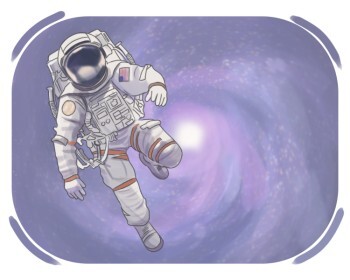
someone who is trained to travel and work in space

astronaut, cosmonaut
Ea și-a împlinit visul din copilărie de a deveni astronaut și a călătorit către Stația Spațială Internațională.
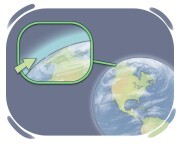
the layer of gases surrounding a planet, held in place by gravity
atmosferă, strat gazos
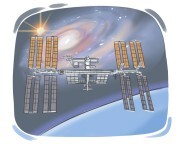
a large structure used as a long-term base for people to stay in space and conduct research
stație spațială, bază spațială
Stația spațială servește ca platformă pentru testarea tehnologiilor necesare pentru viitoarea explorare a spațiului profund.
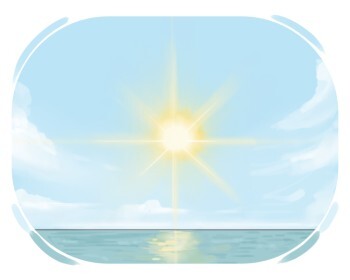
natural light that comes from the sun
lumină solară, lumină a soarelui
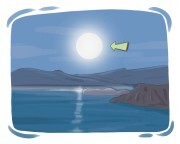
the light coming from the moon
lumina lunii, clar de lună
Au făcut o plimbare romantică de-a lungul plajei, ghidați de lumina blândă a lunii.
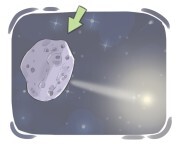
any of the rocky bodies orbiting the sun, ranging greatly in diameter, also found in large numbers between Jupiter and Mars
asteroid, corp ceresc stâncos
Oamenii de știință studiază asteroizii pentru a afla despre sistemul solar timpuriu și despre potențialele amenințări pentru Pământ.
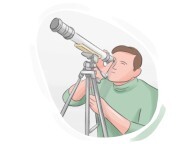
a scientist who studies or observes planets, stars, and other happenings in the universe
astronom
Astronomul a descoperit o nouă exoplanetă folosind tehnologie avansată de telescop.
a branch of science that studies space, planets, etc.
astronomie, știința stelelor
Progresele în astronomie au condus la descoperirea exoplanetelor care orbitează alte stele din galaxia noastră.

a large number of star systems bound together by gravitational force
galaxie
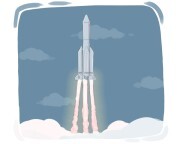
to send an object, such as a satellite, missile, etc., into space
lansa, trage
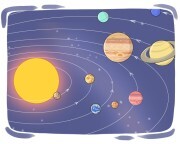
to move around a star, planet, or a large object in space
a orbita, a se învârti în jurul

a propulsion device with its own fuel that produces thrust through reaction forces
rachetă, lansator
a natural object that moves in orbit around a planet or another larger celestial body
satelit natural
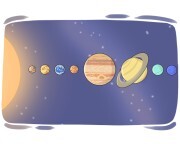
the sun and the group of planets orbiting around it, including the earth
sistem solar, sistemul solar
Pământul este una dintre cele opt planete din sistemul solar.
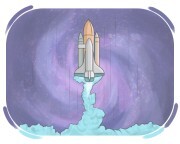
a vehicle designed to travel in space
navă spațială, vehicul spațial
Nava spațială a fost lansată pentru a explora Marte și a colecta date despre suprafața și atmosfera planetei.
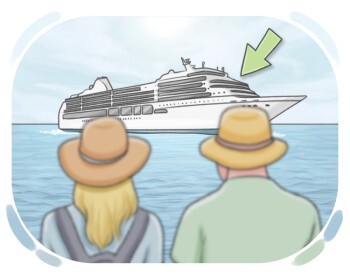
to travel over a long distance by sea or in space
călători, naviga
Exploratorii intrepizi au călătorit peste ape necunoscute în căutarea unei insule legendare.
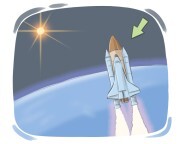
the earth's atmosphere and the space beyond it
aeroespacial, atmosferă și spațiu
Ea a studiat inginerie aerospațială pentru a urma o carieră în explorarea spațială.
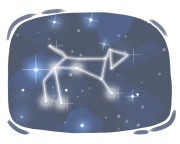
a specific group of stars that form a pattern and have a name related to their shape
constelație, grup de stele
Orion este o constelație bine cunoscută vizibilă pe cerul de iarnă.
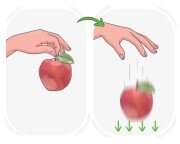
the force by which objects with mass attract one another, especially the force that draws objects toward the Earth
gravitație

relating to the moon
lunar, selenic
A cumpărat un calendar lunar pentru a urmări fazele lunii.
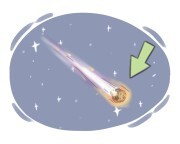
a piece of rock coming from outer space that passes through the Earth's atmosphere, producing light
meteor, meteorit
Am văzut un meteor strălucitor traversând cerul în timpul ploii de meteoriți aseară.
a single complete circular movement around an axis or along an orbit
rotație, învârtire
O rotație completă a Pământului durează douăzeci și patru de ore.
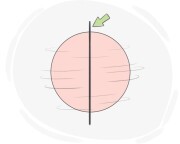
the central point or line around which an object turns
ax, pivot
Pământul se rotește în jurul axei sale o dată la douăzeci și patru de ore.
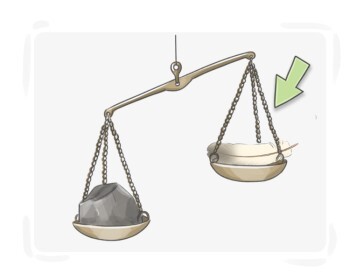
having or seeming to have no or little weight, caused by the absence of gravity
fără greutate, în stare de imponderabilitate
Obiectele din interiorul navei spațiale devin fără greutate odată ce ajunge pe orbita Pământului.
an operation carried out in space
misiune
the first stage of a multistage rocket that provides the initial thrust for liftoff
booster, rachetă de propulsie
the act of counting numbers backwards to zero before the launch of a missile or spacecraft
numărătoare inversă, numărare inversă
an unmanned spacecraft sent into space to collect scientific information and transmit it back
sondă, sondă spațială
(of the moon) to gradually decrease in its visible illuminated surface as it progresses from full to new moon
descrește, scădea
Luna a început să descrească după luna plină.
(of the moon) to progressively display a larger illuminated section until it turns into a full moon
crește, mări
Pe măsură ce luna a progresat, luna a început să crească, de la o semilună subțire la o lună plină.
