
Cambridge IELTS 19 - Akademický - Test 2 - Čtení - Úryvek 1 (3)
Zde najdete slovní zásobu z Testu 2 - Čtení - Pasáž 1 (3) v učebnici Cambridge IELTS 19 - Academic, která vám pomůže připravit se na zkoušku IELTS.
Revize
Kartičky
tvary
Pravopis
Kvíz


money that a person earns, daily or weekly, in exchange for their work

mzda, plat
Vláda zavedla politiky na zajištění spravedlivých mezd a zlepšení životní úrovně pracovníků.

together with something else
spolu s, vedle
Pocit vzrušení přišel spolu s oznámením.
the rate or speed at which something progresses or changes
tempo, rychlost
Tempo technologických inovací se v posledním desetiletí rapidně zrychlilo.
to provide the energy or inspiration needed to drive or enhance a specific activity or process
pohánět, povzbudit
Rostoucí poptávka po elektrických autech poháněla pokroky v technologii baterií.
the act of resisting, disagreeing with, or countering something
opozice, odpor
Opozice vůči opatření byla organizována několika obhajovacími skupinami.
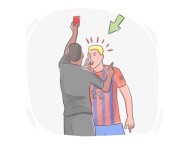
to express disapproval of something
namítat, protestovat
Jako zastánce spotřebitelů pravidelně namítá proti nekalým obchodním praktikám, které poškozují spotřebitele.
powered by machines or motors to perform tasks automatically, instead of by hand
mechanizovaný, automatizovaný
Mechanizovaný tkalcovský stav tká látku mnohem rychleji než ruční stavy.
a device used for weaving textiles or fabrics, consisting of a frame or machine with a series of parallel threads called the warp, and a set of perpendicular threads called the weft, which are interlaced to create the fabric
tkalcovský stav, tkalcovský stroj
Moderní tkalcovské stavy mohou produkovat složité vzory vysokou rychlostí.
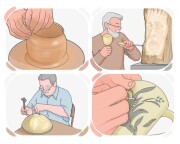
a practice requiring experience and skill, in which objects are made with one's hands
řemeslo, ruční práce
Trh představil místní řemesla, od ručně vyráběných šperků po keramiku.
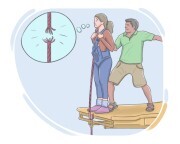
to feel anxious or afraid about a likely situation or event
bát se, obávat se
Obával se, že bouře poškodí jeho úrodu.
lacking training or expertise in a particular type of work or task
nekvalifikovaný, nezkušený
Nekvalifikovaní zaměstnanci někdy zápasí se složitými stroji.
an individual responsible for controlling and maintaining machines in a manufacturing or production setting
obsluha stroje, strojník

to deprive someone of their rights, opportunities, or possessions
okrást, připravit
Šikana na pracovišti může připravit zaměstnance o bezpečné a podnětné pracovní prostředí.
the resources or activities upon which an individual or household depends for their sustenance and survival
obživa, živobytí
Freelancing se stal populární možností obživy, která umožňuje jednotlivcům pracovat na dálku a sledovat své vášně při získávání příjmů.

(of people) behaving dangerously or aggressively due to the circumstances
beznadějný, v zoufalství
Policie vydala varování o zoufalém uprchlíkovi, který byl považován za ozbrojeného a nebezpečného.
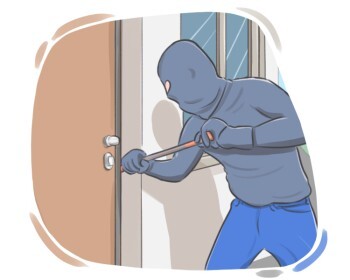
to use force to enter a building, vehicle, or other enclosed space, usually for the purpose of theft
vloupat se, násilně vniknout
Bezpečnostní systém zabránil lupičům v vloupání se do domu.

to forcibly break something into several pieces
rozbít, rozmlátit
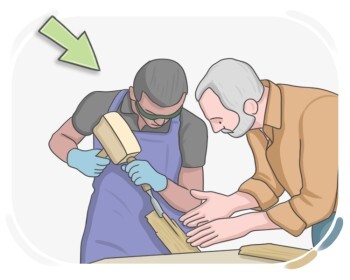
someone who works for a skilled person for a specific period of time to learn their skills, usually earning a low income
učeň, stážista
Pekárna najala učně, aby se naučil techniky výroby chleba.
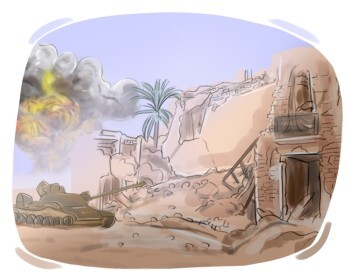
to damage or destroy something severely
zničit, zbořit
Nedostatek řádných opatření zničil stabilitu struktury.
a specific case or example of something
případ, příklad
Případy plagiátorství mohou mít pro studenty vážné důsledky.
the act of applying or implementing an idea, theory, or plan into real-world actions or activities
praxe
Jeho praxe nového cvičebního režimu mu pomohla dosáhnout lepších fitness výsledků.
an example of a certain kind of situation
případ, příklad
V případě špatného počasí bude akce odložena.

the repeated shooting of one or several guns
střelba ze zbraně, přestřelka
Vojáci se ukryli, když se střelba z protivníkových sil zesílila.
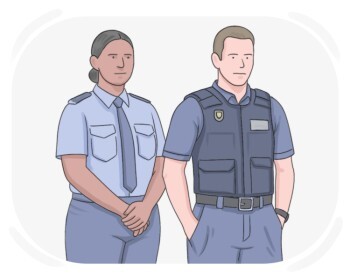
a person whose job is to protect and look after a person or place
stráž, ochránce
Najala si strážce, aby hlídal její panství, když byla na dovolené.

a person or organization that hires and pays individuals for a variety of jobs
zaměstnavatel, šéf
Zaměstnavatel provedl prověrky minulosti a pohovory, aby zajistil, že najímá kvalifikované kandidáty na práci.
to set a piece of equipment in place and make it ready for use
nainstalovat, namontovat
Pro zlepšení energetické účinnosti se rozhodli nainstalovat solární panely na střechu.
machines, especially large ones, considered collectively
stroje, průmyslové vybavení
Továrna byla plná těžkých strojů, z nichž každý plnil specifickou funkci ve výrobní lince.
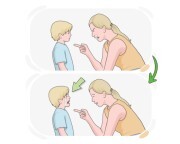
to do something or provide a reply based on what others have done or said
odpovědět, reagovat
Na protest reagovali zahájením dialogu s demonstranty.
a situation in which people join together to fight against those in power
povstání, vzpoura
Dokument zkoumal příčiny dělnických povstání 20. století.
deserving of punishment under the law or established rules
trestný, trestuhodný
Porušení autorských práv je trestné pokutami a právními kroky ze strany držitele autorských práv.
a political situation in which there is anger among the people and protests are likely
neklid, nepokoje
Růst cen paliv způsobil nepokoje mezi pracovníky.
the tangible or measurable results, products, or goods produced by a process or system
výroba, výsledek
Zvýšení výstupu vyžaduje optimalizaci efektivity a pracovního postupu.
with everything considered
Celkově, Všeobecně
Udělala několik chyb v prezentaci, ale celkově informace předala efektivně.

the level of wealth, welfare, comfort, and necessities available to an individual, group, country, etc.
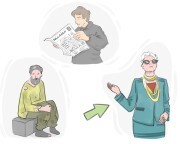
a social group made up of people who hold the highest social position and are usually quite wealthy
vyšší třída, vyšší společnost
Vyšší třída často vlastní velké statky a podniky.
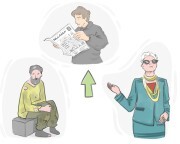
the social class between the upper and lower classes that includes professional and business people
střední třída, buržoazie
Děti střední třídy obvykle mají přístup ke vzdělání a zdravotní péči.
to move forward or make progress with difficulty
bojovat, zápasit
Prodírala se hustým bahnem, odhodlaná dosáhnout cílové čáry.

someone who is employed in a factory and works there
tovární dělník, tovární pracovník
Tovární dělník nosil ochranné pomůcky, včetně rukavic a brýlí, aby se chránil při obsluze těžkých strojů.
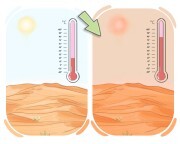
to a very great amount or degree
nesmírně, velmi
Výhled z hory je mimořádně krásný.
the stage or point of highest quality, activity, success, etc.
vrchol, vrcholit
Akciový trh dosáhl svého vrcholu, než v následujících měsících zažil výrazný pokles.

to come after another thing or person in order or time
následovat, přijít po
Desetiletí, které následovalo po válce, bylo dobou obnovy.
a large, unspecified number of something
tucet, spousta
Koupila desítky knih pro svou rostoucí knihovnu.
to be killed by being held in the air with a rope around one's neck
oběsit, být oběšen
Soudce odsoudil odsouzeného vraha k oběšení za jeho ohavné zločiny.
a covert group organized to oppose or overthrow an occupying power or government
odboj, partyzáni
Mnoho členů odboje bylo zajato a popraveno.
to completely stop existing or being found
zmizet, vytratit se
Některé jazyky mizí, protože je mluví stále méně lidí.
to be connected or joined in some way
propojit, spojit
Dvě teorie se propojují bezproblémově, poskytujíce komplexní vysvětlení.
the provided or available amount of something
zásoba, dodávka
Učitel doplnil zásoby ve třídě před začátkem školního roku.
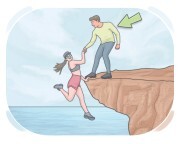
able to be trusted to perform consistently well and meet expectations
spolehlivý, důvěryhodný
Spolehlivý produkt má pověst trvanlivosti a výkonu.
an advantage or a helpful effect that is the result of a situation
výhoda, prospěch
Studie zdůraznila environmentální výhody používání obnovitelných zdrojů energie.
a specific part or branch of an economy, society, or activity with its own distinct characteristics and functions
sektor, odvětví

the act or process of no longer having someone or something
ztráta, úbytek
Ztráta jejích klíčů způsobila, že přišla pozdě.
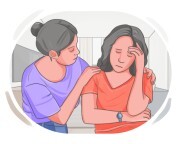
feelings of care and understanding toward other people's emotions, especially sadness or suffering
soucit, sympatie
Vyjádření soustrasti vůči někomu, kdo prochází obtížným obdobím, může posílit pouta empatie a podpory.
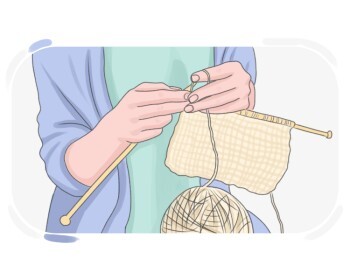
the skill or act of making a piece of clothing from threads of wool, etc. by using a pair of special long thin needles or a knitting machine
pletení, pletací práce
a machine with a sturdy structure that holds parts in place and speeds up the process of making items like cloth, lace, or thread
tkalcovský stav, rám
Punčochy byly vyrobeny na pletacím rámu.
a member of a group of early 19th-century English workers who protested against the use of machinery that threatened their jobs, often by destroying the machines
luddita, člen ludditů
Luddité ničili textilní stroje během průmyslové revoluce.
to spread or tell information unverified information or gossip, often without knowing if it is true
šířit fámy, drbat
Byly pověsti, že byl zapleten do skandálu.
to a very near extent but not completely
téměř, prakticky
Její vzpomínky na dětství byly téměř vybledlé.
