
Cambridge English: CPE (C2 Proficiency) - Terminación y Renuncia
Aprenda vocabulario avanzado de CPE sobre terminación y renuncia, incluyendo terminar, abandonar, rechazar, retirarse, renunciar y renunciar formalmente a algo.
Revisión
Tarjetas de memoria
formas
Ortografía
Cuestionario


(of a monarch or ruler) to step down from a position of power

abdicar
Ante la agitación política, el emperador decidió abdicar para restaurar la estabilidad.

a temporary suspension or cessation of activity or progress, typically with the expectation of future resumption
suspenso
Los planes de expansión de la empresa se mantuvieron en abeyance hasta que mejoraron las condiciones del mercado.
to give up or reject a belief, claim, or practice through formal or public declaration
abjurar
Ante nuevos hechos, estaba abjurando su postura anterior sobre el tema.
denial and rejection of a doctrine or belief
renuncia, abnegación
La abnegación política de la democracia preocupó al público.
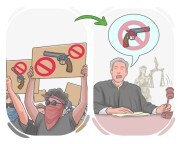
to officially put an end to a law, activity, or system
abolir, suprimir
La organización planea abolir el uso de plásticos de un solo uso.
the deliberate or natural removal of a part from a whole, especially through cutting, separation, or detachment
abscisión
El trabajo del artista simbolizaba la abscisión emocional de un trauma pasado.
(of an event or meeting) to be closed or paused
aplazar
Después de horas de debate, el comité aplazó hasta la mañana siguiente.
to stop, limit, or control the growth, spread, or influence of something
detener, frenar
Usaron un herbicida potente para detener el crecimiento de malezas en el jardín.
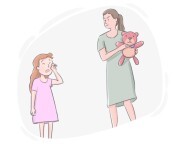
to take away someone's possession, right, authority, etc.
despojar
Las acciones del gobierno buscaban despojar al dictador de su poder político.
to formally reject something, often a belief, behavior, or allegiance
renunciar a
Ella renunció a su antiguo partido político y se unió a la oposición.
to take back a statement or belief, especially publicly
retractarse
Las personas a veces retractan sus declaraciones cuando se dan cuenta de las implicaciones.
to officially cancel a law, decision, agreement, etc.
rescindir, anular, derogar
El comité revocará las directrices obsoletas durante su reunión la próxima semana.
to stop the flow of something, especially blood or liquid, by applying pressure or using a barrier
restañar
Ella presionó firmemente su mano para estancar el corte en su brazo.
to bring something to a successful or impressive conclusion
coronar, rematar con broche de oro
Remató su victoria agradeciendo a sus seguidores.
a difficult situation in which opposing parties cannot reach an agreement
impasse, punto muerto
Su relación llegó a un impasse emocional y decidieron separarse.
an officially declared pause of a specific action or policy, often imposed by authorities to allow for review, safety, or negotiation
moratoria
La universidad anunció una moratoria sobre las nuevas admisiones al programa.
![to [cool] {one's} heels](https://cdn.langeek.co/photo/44114/thumb/350?type=jpeg "to [cool] {one's} heels")
to be forced to wait for a person or anticipate something
quedarse esperando, hacer antesala
Los invitados se quedaron esperando en la puerta hasta que por fin llegó el anfitrión.

to remove something, often by erasing or crossing it out
suprimir
La secretaria usó líquido corrector para borrar los errores de mecanografía del documento.
to remove some parts of a writing because it might offend people
expurgar
El comité recomendó que ciertas secciones del informe fueran expurgadas antes de su publicación.
the process of closing a business by selling its assets to pay off debts and distribute any remaining value to shareholders
liquidación, disolución
El tribunal nombró un síndico para supervisar el proceso de liquidación.
the last important thing that a person does before their retirement or death
canto del cisne, última gran obra
La novela estaba pensada como el canto del cisne del autor antes de jubilarse.
leave a place or situation to move or start somewhere new
not currently in motion, operation, or expression
quiescente
La fábrica permaneció quiescente durante el cierre por vacaciones.
to invalidate a legal agreement
anular, invalidar
La empresa buscó anular el acuerdo, argumentando que los términos fueron tergiversados durante el proceso de negociación.
to reject or let go of a person, idea, or possession that is considered unnecessary
descartar, abandonar
Descartaron la propuesta después de enfrentar una fuerte oposición.
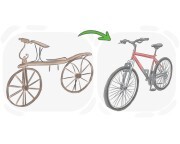
to replace something, especially by force or through competition
suplantar
El equipo ambicioso trabajó duro para suplantar a sus rivales y convertirse en los líderes de la industria.
unable to be changed or altered, remaining constant and unchanging over time
inmutable
Las antiguas tradiciones del pueblo permanecieron inmutables, transmitidas de generación en generación.
impossible to avoid or resist
ineluctable
Ella enfrentó la verdad ineludible de su situación con tranquila determinación.
so great or unmatched that nothing else can be better or go beyond it
insuperable, invencible
La belleza de la isla es insuperable en comparación con otros lugares turísticos.
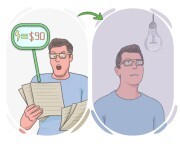
to fail at accomplishing an obligation, particularly a financial one
no pagar
La empresa enfrentó graves consecuencias después de incumplir con sus pagos de deuda.

a course or situation that yields no useful results
callejón sin salida, vía inútil
Pasamos semanas siguiendo una vía inútil.
(of a job or lifestyle) including a lot of sitting and very little physical activity
sedentario
Ella descubrió que su entorno de trabajo sedentario estaba afectando su salud.
refusing to be moved by argument or emotion
inexorable
Su postura inexorable frustró a los negociadores de ambos lados.
feeling endlessly long and tedious
interminable
Los estudiantes suspiraron cuando el profesor comenzó otra conferencia interminable sobre el mismo tema.
