pattern

Cambridge English: CPE (C2 Proficiency) - Termination & Renunciation

Review

Flashcards

Forms

Spelling

Quiz

Start learning
Cambridge English: CPE (C2 Proficiency)
to abdicate

(of a monarch or ruler) to step down from a position of power

Ex: The ruler is abdicating the throne due to health concerns .
Close
Sign in
abeyance
abeyance
[noun]

a temporary suspension or cessation of activity or progress, typically with the expectation of future resumption

Ex: The negotiations between the two parties were placed in abeyance as both sides sought clarification on certain key issues .
Close
Sign in
to abjure
to abjure
[Verb]

to give up or reject a belief, claim, or practice through formal or public declaration

Ex: They had been abjuring the harmful practices before adopting a new approach .
Close
Sign in
abnegation

denial and rejection of a doctrine or belief
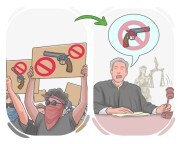
Ex: She shocked her peers with her abnegation of duty .
Close
Sign in
to abolish

to officially put an end to a law, activity, or system

Ex: The city has abolished the use of plastic bags .
Close
Sign in
abscission

the deliberate or natural removal of a part from a whole, especially through cutting, separation, or detachment

Ex: Her decision to leave felt like an abscission from everything she knew .
Close
Sign in
to adjourn

(of an event or meeting) to be closed or paused

Ex: The conference will adjourn at 5 PM , and the speakers will gather for a panel discussion .
Close
Sign in
to arrest
to arrest
[Verb]

to stop, limit, or control the growth, spread, or influence of something
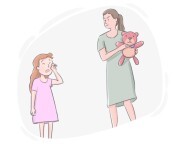
Ex: New policies were put in place to arrest the decline of the economy during the recession .
Close
Sign in
to divest
to divest
[Verb]

to take away someone's possession, right, authority, etc.

Ex: Legal actions may divest a landlord of ownership rights if they fail to meet certain obligations .
Close
Sign in
to forswear

to formally reject something, often a belief, behavior, or allegiance

Ex: The witness forswore false testimony and agreed to tell the truth.
Close
Sign in
to recant
to recant
[Verb]

to take back a statement or belief, especially publicly

Ex: Back in history , those accused of heresy sometimes had to recant their unconventional beliefs to avoid punishment .
Close
Sign in
to rescind

to officially cancel a law, decision, agreement, etc.

Ex: The company has rescinded the controversial policy after receiving significant backlash from employees .
Close
Sign in
to stanch
to stanch
[Verb]

to stop the flow of something, especially blood or liquid, by applying pressure or using a barrier

Ex: They used sandbags to stanch the water pouring through the broken levee .
Close
Sign in
to cap off

to bring something to a successful or impressive conclusion

Ex: We capped off our trip with a visit to the beach .
Close
Sign in
impasse
impasse
[noun]

a difficult situation in which opposing parties cannot reach an agreement

Ex: Budget discussions fell into an impasse over tax reforms .
Close
Sign in
moratorium

an officially declared pause of a specific action or policy, often imposed by authorities to allow for review, safety, or negotiation

Ex: The city council voted for a moratorium on building permits in flood-prone areas .
Close
Sign in
to [cool] {one's} heels

to be forced to wait for a person or anticipate something
Ex: Applicants cooled their heels for weeks before anyone told them the results.
Close
Sign in
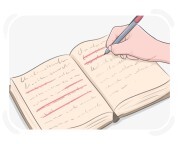
to expunge

to remove something, often by erasing or crossing it out

Ex: The editor expunged the unnecessary paragraphs from the manuscript .
Close
Sign in
to expurgate

to remove some parts of a writing because it might offend people

Ex: The government required the author to expurgate sensitive political references before granting approval for publication .
Close
Sign in
liquidation

the process of closing a business by selling its assets to pay off debts and distribute any remaining value to shareholders

Ex: Liquidation sales attracted buyers looking for discounted inventory .
Close
Sign in
swan song
swan song
[noun]

the last important thing that a person does before their retirement or death

Ex: The retiring teacher 's final lecture was a touching swan song, leaving a lasting impact on her students .
Close
Sign in
to [pull] up stakes

leave a place or situation to move or start somewhere new

Ex: They pulled up stakes when better opportunities arose elsewhere.
Close
Sign in
quiescent
quiescent
[Adjective]

not currently in motion, operation, or expression

Ex: The lake was quiescent, its surface smooth and undisturbed .
Close
Sign in
to annul
to annul
[Verb]

to invalidate a legal agreement

Ex: The parties sought to annul the contract after discovering that it had been signed under duress .
Close
Sign in
to jettison

to reject or let go of a person, idea, or possession that is considered unnecessary
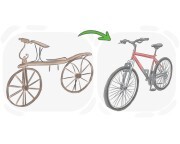
Ex: Management jettisoned several projects to cut costs .
Close
Sign in
to supplant

to replace something, especially by force or through competition

Ex: The younger generation 's ideas can sometimes supplant the traditional norms in societal evolution .
Close
Sign in
immutable
immutable
[Adjective]

unable to be changed or altered, remaining constant and unchanging over time

Ex: The contract 's terms were declared immutable, preventing any further negotiations .
Close
Sign in
ineluctable
ineluctable
[Adjective]

impossible to avoid or resist

Ex: His downfall was the ineluctable result of years of corruption .
Close
Sign in
insuperable
insuperable
[Adjective]

so great or unmatched that nothing else can be better or go beyond it
Ex: The composer 's insuperable genius changed the course of music history .
Close
Sign in
to default

to fail at accomplishing an obligation, particularly a financial one

Ex: The consequences of defaulting on a car loan include repossession of the vehicle.
Close
Sign in
blind alley

a course or situation that yields no useful results

Ex: Trying to solve it without data was a blind alley.
Close
Sign in
sedentary
sedentary
[Adjective]

(of a job or lifestyle) including a lot of sitting and very little physical activity

Ex: The job was sedentary, with little opportunity to move around .
Close
Sign in
inexorable
inexorable
[Adjective]

refusing to be moved by argument or emotion

Ex: Despite their appeals , the leader was inexorable in his demands .
Close
Sign in
interminable
interminable
[Adjective]

feeling endlessly long and tedious

Ex: Stuck in an interminable traffic jam , he wondered if he would ever reach home .
Close
Sign in
LanGeek
Download LanGeek app