
250 Verbos Frasales Más Comunes en Inglés - Verbos Frasales Comunes
Aquí tienes la parte 4 de la lista de los verbos frasales más comunes en inglés como "fall in", "pull out" y "hold up".
Revisión
Tarjetas de memoria
formas
Ortografía
Cuestionario

to occupy a particular amount of space or time

ocupar
La reunión ocupó toda la tarde.
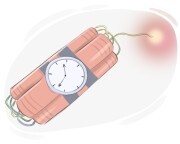
(of a gun, bomb, etc.) to be fired or to explode
explotar o dispararse, activarse o explotar de repente
La bomba fue diseñada para explotar a distancia con solo presionar un botón.

to collapse under pressure, often due to structural weakness
derrumbarse bajo presión, hundirse hacia dentro por debilidad estructural
La entrada abandonada de la mina mostraba signos de inestabilidad y corría el riesgo de derrumbarse.

to help someone come back to consciousness
hacer volver en sí, recuperar la conciencia
El chapuzón de agua fría ayudó a reanimar al nadador después de perder el conocimiento.

to discover, meet, or find someone or something by accident
encontrar
Estaba hojeando en una librería cuando me encontré con una novela que llamó mi atención.

to take and bring something out of a particular place or position
sacar, extraer
Cuando le pidieron su identificación, ella sacó su identificación de su billetera con confianza.
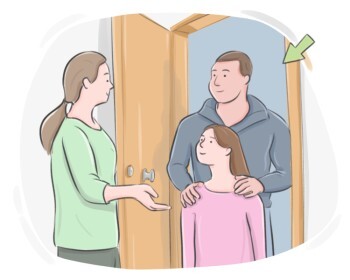
to come to someone's house in order to visit them for a short time
venir a casa de alguien para una visita breve, pasarse por casa de alguien
Estamos organizando una fiesta en nuestra casa esta noche. ¡Deberías venir!
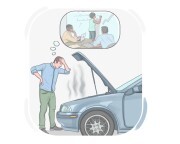
to delay the progress of something
retrasar, frenar el progreso
Las malas condiciones climáticas pueden retrasar los vuelos en el aeropuerto.
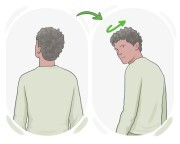
to change your position so as to face another direction
darse vuelta
Cuando entré en la habitación, todos se voltearon para mirarme.

to begin to live in a new house or work in a new office
mudarse a una nueva casa u oficina, empezar a vivir o trabajar en un lugar nuevo
Ella está deseando mudarse a su nueva casa después de la boda.
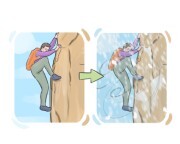
to continue doing something even though there are some hardships
seguir con
El músico se mantuvo en su rutina de práctica, dedicando horas cada día para perfeccionar sus habilidades.

to investigate or explore something in order to gather information or understand it better
estudiar
El reportero investiga las acusaciones de corrupción dentro de la empresa.
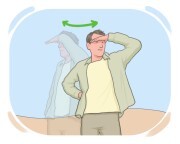
to turn your head to see the surroundings
girar la cabeza para mirar alrededor, observar los alrededores
Cuando llegamos a la cima de la colina, miramos alrededor para disfrutar de la vista.
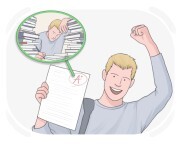
to make something required, necessary, or appropriate
requerir
La situación requiere una acción inmediata.
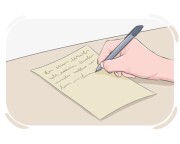
to record something on a piece of paper by writing
registrar algo escribiéndolo en papel, poner una idea o información por escrito
El periodista anotó rápidamente las noticias de última hora en su cuaderno.

to meet someone by chance and unexpectedly
tropezarse con, toparse con
A menudo se encuentra con sus vecinos mientras pasea a su perro en el parque.
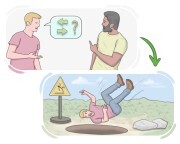
to accidentally enter something
caer en
El niño pequeño se rió mientras intentaba atrapar mariposas y cayó en un macizo de flores por accidente.
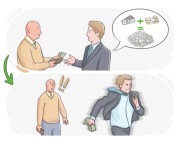
to become involved in something unpleasant because of carelessness or ignorance
entrar caminando
Cayeron en una trampa tendida por sus competidores durante la negociación.
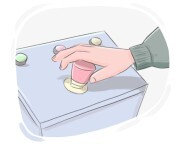
to make something stop working
hacer que un dispositivo o sistema deje de funcionar, apagar un dispositivo o sistema
El técnico tuvo que apagar todo el sistema para mantenimiento.

to provide a place for someone to stay temporarily
recoger, acoger
La familia generosa acogió al excursionista varado hasta que llegó el equipo de rescate.
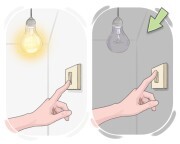
to cause a machine, device, or system to stop working or flowing, usually by pressing a button or turning a switch
apagar un aparato o cortar un flujo, apagar mediante un botón o interruptor
Por favor recuerda apagar las luces antes de salir de la habitación.
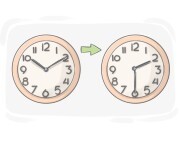
to pass a certain point in time
pasar
El tiempo parecía pasar más rápido durante nuestras vacaciones.
to continue moving ahead physically
avanzar
El coche no podía avanzar debido a un problema mecánico.

to represent something in the form of an abbreviation or symbol
representar
La abreviatura 'CEO' significa Chief Executive Officer.
to persist in doing a plan, idea, or course of action over time
seguir con
Decidió mantenerse en su elección original de carrera, aunque fuera difícil.
| 250 Verbos Frasales Más Comunes en Inglés | |||
|---|---|---|---|
| Verbos Frasales Comunes | Verbos Frasales Comunes | Verbos Frasales Comunes | Verbos Frasales Comunes |
| Verbos Frasales Comunes | Verbos Frasales Comunes | Verbos Frasales Comunes | Verbos Frasales Comunes |
| Verbos Frasales Comunes | Verbos Frasales Comunes | ||
