
El libro Headway - Intermedio - Unidad 5
Aquí encontrarás el vocabulario de la Unidad 5 del libro de curso Headway Intermediate, como "reírse", "prioridad", "dejar", etc.
Revisión
Tarjetas de memoria
formas
Ortografía
Cuestionario

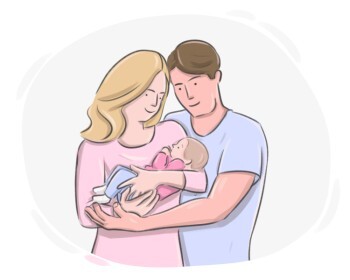
to look after a child until they reach maturity

criar, educar
Como madre soltera, trabajó duro para criar a su hijo.

to become famous and successful in a sudden and rapid manner
saltar a la fama
Se espera que el nuevo gadget tecnológico despegue en el mercado debido a sus características revolucionarias.
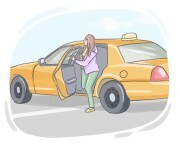
to take a person or thing to a predetermined location and leave afterwards
dejar, dejar en
El autobús escolar dejará a los niños en sus respectivas paradas.
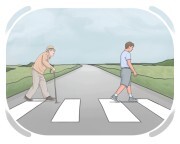
to cross a physical barrier, such as a wall, fence, or obstacle
superar, saltar
Los niños encontraron una manera de pasar por encima del árbol caído en el bosque.
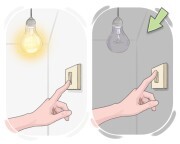
to cause a machine, device, or system to stop working or flowing, usually by pressing a button or turning a switch
apagar un aparato o cortar un flujo, apagar mediante un botón o interruptor
Por favor recuerda apagar las luces antes de salir de la habitación.

to complete an official form or document by writing information on it
rellenar un formulario, escribir los datos requeridos en un documento oficial
Asegúrese de llenar todas las secciones del formulario de historial médico en su cita.
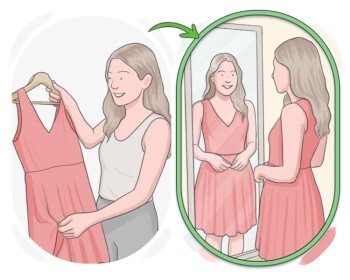
to put on a piece of clothing to see if it fits and how it looks
probarse una prenda para ver si queda bien, ponerse algo para probarlo antes de comprarlo
Necesito probar estos jeans para ver si son de la talla correcta.
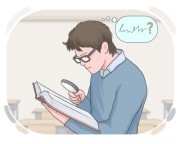
to try to find information in a dictionary, computer, etc.
buscar, consultar
Cuando necesito una receta, siempre la busco en línea.
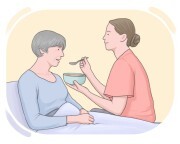
to take care of someone or something and attend to their needs, well-being, or safety
cuidar
El jardinero cuida del jardín deshierbando, regando y podando las plantas.
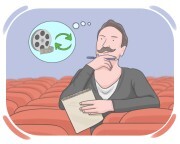
to thoroughly review, examine, or check something
revisar o examinar algo a fondo, repasar algo punto por punto
Es importante repasar los términos y condiciones antes de firmar el contrato.
to choose someone as an example and follow their behavior or choices
seguir el ejemplo de, tomar como ejemplo a
Después de ver el documental, decidió seguir el ejemplo de el activista ambiental y volverse más ecológica.
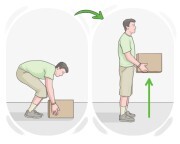
to take and lift something or someone up
recoger, levantar
Ella recogió el periódico del porche por la mañana.
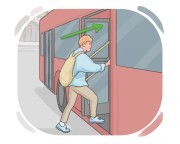
to enter a bus, ship, airplane, etc.
subir a un medio de transporte, subir a un autobús barco avión etc
Ellos subieron al avión y encontraron sus asientos.
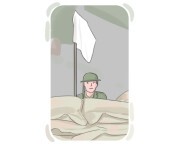
to stop trying when faced with failures or difficulties
rendirse, dejar de intentarlo
El equipo estaba perdiendo, pero no se rindieron, y su determinación condujo a una victoria de regreso.
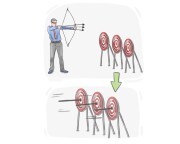
to succeed in passing or enduring a difficult experience or period
aguantar
Las sesiones de terapia lo ayudaron a superar sus luchas emocionales.
![to [change] {one's} mind](https://cdn.langeek.co/photo/44466/thumb/350?type=jpeg "to [change] {one's} mind")
to change one's opinion or decision regarding something
cambiar de opinión, echarse para atrás
Todavía puedes cambiar de opinión antes de que firmemos el contrato.
![to [pay] attention to {sb/sth}](https://cdn.langeek.co/photo/68336/thumb/listen/350?type=jpeg "to [pay] attention to {sb/sth}")
to carefully watch, consider, or listen to someone or something
![to [have] a (good|great) time](https://cdn.langeek.co/photo/54563/thumb/350?type=jpeg "to [have] a (good|great) time")
to experience a pleasurable or enjoyable event or activity
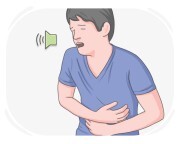
to make a low sound that often expresses pain, grief, or disappointment
gemir, quejarse
![to [make] sure](https://cdn.langeek.co/photo/68041/thumb/350?type=jpeg "to [make] sure")
to take steps to confirm if something is correct, safe, or properly arranged
asegurarse
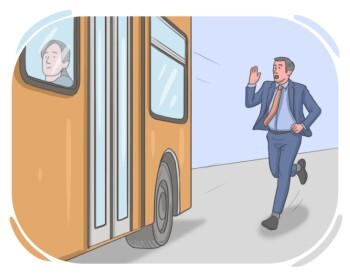
to be deprived of or stop having someone or something
perder
the ability to accept or tolerate difficult or annoying situations without complaining or becoming angry
paciencia, tolerancia
![to [do] {one's} (bit|part)](https://cdn.langeek.co/photo/41646/thumb/350?type=jpeg "to [do] {one's} (bit|part)")
to fulfill one's share of responsibilities
poner de mi parte, cumplir con mi parte
Todos pusimos de nuestra parte durante el evento benéfico.

to laugh in a light, silly, or often uncontrollable way as a result of nervousness or embarrassment
reírse tontamente

to make someone or something extremely wet
calar, empapar
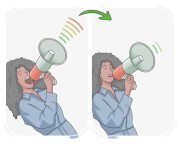
to gradually decrease in intensity, volume, or activity
disminuir gradualmente en intensidad volumen o actividad, ir apagándose poco a poco
La protesta frente al edificio del gobierno no mostraba señales de amainar, a pesar de la fuerte lluvia.
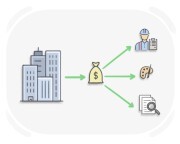
to assign money, resources, or other assets to a particular purpose
destinar, asignar
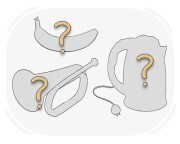
things that we cannot or do not need to name when we are talking about them
cosas
![to [keep] an eye on {sb/sth}](https://cdn.langeek.co/photo/46185/thumb/350?type=jpeg "to [keep] an eye on {sb/sth}")
to closely watch a person or thing, particularly in order to make sure they are safe
echar un ojo, estar pendiente
Estate pendiente de tu bolso; esta estación se llena muchísimo.
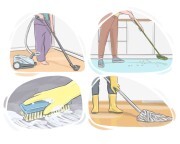
a task, especially a household one, that is done regularly
tarea, faena
Lavar los platos es una tarea que nadie disfruta, pero hay que hacerlo.
the fact or condition of being regarded or treated as more important than others
prioridad, preferencia
![to [drive] {sb} (crazy|mad|insane|nuts)](https://cdn.langeek.co/photo/42602/thumb/350?type=jpeg "to [drive] {sb} (crazy|mad|insane|nuts)")
to do something that makes someone extremely upset, annoyed, or angry
used to refuse or decline to provide an answer or explanation to a question, often because the person being asked does not know the answer
