
Kniha Headway - Středně pokročilý - Jednotka 5
Zde najdete slovní zásobu z jednotky 5 v učebnici Headway Intermediate, jako je "chichotat se", "priorita", "vysadit", atd.
Revize
Kartičky
tvary
Pravopis
Kvíz

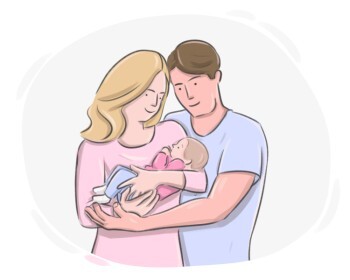
to look after a child until they reach maturity

vychovávat, pěstovat
Je nezbytné vychovávat dítě v prostředí, které podporuje jak učení, tak kreativitu.

to become famous and successful in a sudden and rapid manner
vzletět, zažít rychlý úspěch
Její virální video jí pomohlo dobýt internet a vzletět jako online senzace.
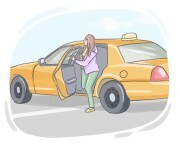
to take a person or thing to a predetermined location and leave afterwards
vysadit, nechat
Vysadil svého přítele na letišti brzy ráno.
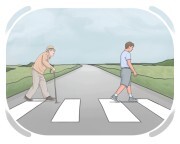
to cross a physical barrier, such as a wall, fence, or obstacle
překonat, přelézt
Použila lano, aby překonala vysokou zeď.
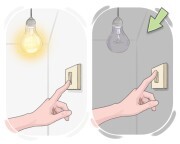
to cause a machine, device, or system to stop working or flowing, usually by pressing a button or turning a switch
vypnout, zavřít
Můžete ušetřit energii vypnutím klimatizace, když ji nepotřebujete.

to complete an official form or document by writing information on it
vyplnit, doplnit
Účastníci byli požádáni, aby vyplnili dotazník a poskytli zpětnou vazbu na školící program.
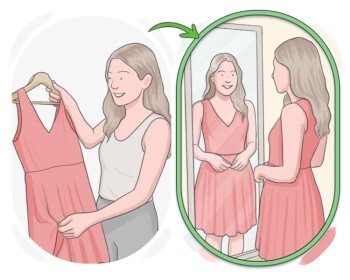
to put on a piece of clothing to see if it fits and how it looks
vyzkoušet, zkusit si
Dovolili jí vyzkoušet si svatební šaty před tím, než se definitivně rozhodla.
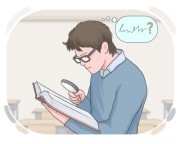
to try to find information in a dictionary, computer, etc.
hledat, kontrolovat
Měli byste vyhledat slovo, abyste zlepšili svou slovní zásobu.
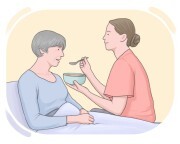
to take care of someone or something and attend to their needs, well-being, or safety
pečovat o, starat se o
Společnost pečuje o své zaměstnance tím, že jim poskytuje bezpečné a zdravé pracovní prostředí.
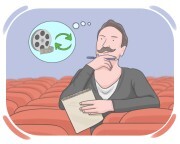
to thoroughly review, examine, or check something
projít, důkladně zkontrolovat
Musíme projít podrobnosti projektu, abychom se ujistili, že nic nebylo opomenuto.
to choose someone as an example and follow their behavior or choices
brát si příklad z, následovat příklad
Vždy obdivovala svou starší sestru a snaží se jí ve všem následovat.
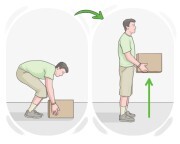
to take and lift something or someone up
zvednout, sebrat
Policista zvedne důkazy rukou v rukavici.
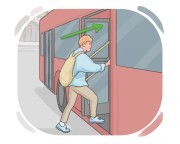
to enter a bus, ship, airplane, etc.
nastoupit, vstoupit
Musíme si pospíšit, pokud chceme nastoupit do autobusu.
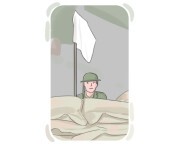
to stop trying when faced with failures or difficulties
vzdát se, přestat
Nevzdávej se teď; už jsi skoro tam.
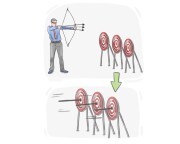
to succeed in passing or enduring a difficult experience or period
projít, překonat
Je to těžké období, ale s podporou to zvládnete.
![to [change] {one's} mind](https://cdn.langeek.co/photo/44466/thumb/350?type=jpeg "to [change] {one's} mind")
to change one's opinion or decision regarding something
rozmyslet si to, změnit názor
Jestli si to s večeří rozmyslíš, prostě mi napiš.
![to [pay] attention to {sb/sth}](https://cdn.langeek.co/photo/68336/thumb/listen/350?type=jpeg "to [pay] attention to {sb/sth}")
to carefully watch, consider, or listen to someone or something
![to [have] a (good|great) time](https://cdn.langeek.co/photo/54563/thumb/350?type=jpeg "to [have] a (good|great) time")
to experience a pleasurable or enjoyable event or activity

to make a low sound that often expresses pain, grief, or disappointment
sténat, stěžovat si
Nemohla si pomoct a zasténala nad dlouhou frontou v obchodě.
![to [make] sure](https://cdn.langeek.co/photo/68041/thumb/350?type=jpeg "to [make] sure")
to take steps to confirm if something is correct, safe, or properly arranged
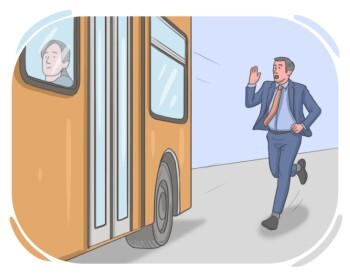
to be deprived of or stop having someone or something
ztratit, přijít o
V důsledku hlasité exploze přišla o sluch.
the ability to accept or tolerate difficult or annoying situations without complaining or becoming angry
trpělivost, tolerance
Zvládl frustrující situaci s pozoruhodnou trpělivostí.
![to [do] {one's} (bit|part)](https://cdn.langeek.co/photo/41646/thumb/350?type=jpeg "to [do] {one's} (bit|part)")
to fulfill one's share of responsibilities
udělat svůj díl, přispět svou troškou
Vláda vyzvala občany, aby přispěli k šetření vodou.

to laugh in a light, silly, or often uncontrollable way as a result of nervousness or embarrassment
chichotat se, smát se
Studenti se chichotali nad učitelovou náhodnou špatnou výslovností.

to make someone or something extremely wet
promočit, namočit
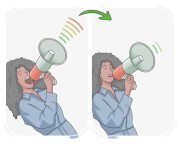
to gradually decrease in intensity, volume, or activity
utichat, postupně slábnout
Bouře zuřila hodiny, ale nakonec vítr a déšť začaly ustupovat.
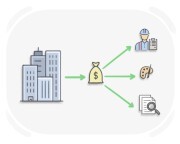
to assign something, such as resources or funds, to a particular purpose or use
věnovat, přidělit
Společnost se rozhodla věnovat významnou část svého rozpočtu výzkumu a vývoji.

things that we cannot or do not need to name when we are talking about them
věci, krámy
Darovali své staré věci místní charitě.
![to [keep] an eye on {sb/sth}](https://cdn.langeek.co/photo/46185/thumb/350?type=jpeg "to [keep] an eye on {sb/sth}")
to closely watch a person or thing, particularly in order to make sure they are safe
dávat pozor, hlídat
Mohl bys mi o víkendu pohlídat psa, když budu pryč?
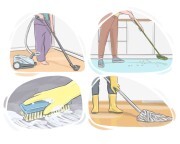
a task, especially a household one, that is done regularly
domácí práce, povinnost
Praní prádla je týdenní domácí práce, která často zabere celé odpoledne.
the fact or condition of being regarded or treated as more important than others
priorita, preference
Bylo mu řečeno, aby se zaměřil na své studium jako na prioritu před mimoškolními aktivitami.
![to [drive] {sb} (crazy|mad|insane|nuts)](https://cdn.langeek.co/photo/42602/thumb/350?type=jpeg "to [drive] {sb} (crazy|mad|insane|nuts)")
to do something that makes someone extremely upset, annoyed, or angry
used to refuse or decline to provide an answer or explanation to a question, often because the person being asked does not know the answer
