
El libro Headway - Intermedio - Inglés Cotidiano (Unidad 12)
Aquí encontrarás el vocabulario de la Unidad 12 de Inglés Cotidiano en el libro de curso Headway Intermediate, como "no importa", "el tiempo lo dirá", "partirse el pecho", etc.
Revisión
Tarjetas de memoria
Ortografía
Cuestionario

![to [bust] a gut](https://cdn.langeek.co/photo/43040/thumb/350?type=jpeg "to [bust] a gut")
to try one's best to do or achieve something

partirse el lomo, matarse a trabajar
Me partí el lomo toda la semana y aun así el cliente cambió el encargo.
something that is a typical or normal part of a person's job
gajes del oficio, cosas del trabajo
Arreglar una caída del servidor a las dos de la mañana es cosa del trabajo para nuestro equipo de informática.

used to express one's complete agreement with someone's statement
y tanto, totalmente de acuerdo
Totalmente de acuerdo; este café es lo mejor que he tomado en todo el día.
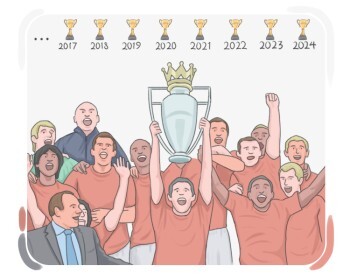
used to mean that by passing time it will be proved if something is true, valid, or effective
el tiempo dirá, ya se verá
El diseño promete, pero el tiempo dirá si les gusta a los clientes.

used to describe someone or something that perfectly matches one's tastes, values, or preferences
muy de su estilo, perfecto para él
Esa motocicleta vintage es muy de su estilo.

used to imply that making mistakes is a natural part of the learning process, and that one should not be discouraged by failure but instead use it as an opportunity for growth and improvement
Uno aprende de sus errores
Al final lo entenderás; después de todo, vivir y aprender.
used to promote tolerance and acceptance of different lifestyles, opinions, or beliefs
Acepta las diferencias de los demás y no interfieras
used to imply that diversity and individual differences among people are necessary for the world to function and thrive
La diversidad y las diferencias entre las personas son necesarias para una sociedad dinámica
used as a reminder that life is full of successes and failures, and it is important to be resilient and maintain a positive attitude in order to learn and grow from both
En la vida se gana y se pierde
used to say that on any given day, there are opportunities to acquire new knowledge or gain new insights
![to [be] all talk (and no action|)](https://cdn.langeek.co/photo/42262/thumb/350?type=jpeg "to [be] all talk (and no action|)")
used to describe someone who continuously talks about what they are planning to do, but they never do or achieve much
Solo hablar, Hablar mucho, actuar poco
Solo hablaban y no actuaban en el servicio comunitario.
a situation that is an absolute disaster or is the worst thing that could possibly happen
una catástrofe total, lo peor que puede pasar
Perder el primer tren pareció una catástrofe, pero no fue lo peor que podía pasar.
![to [face|come to|hit] (a|the) (brick|) wall](https://cdn.langeek.co/photo/40993/thumb/350?type=jpeg "to [face|come to|hit] (a|the) (brick|) wall")
to reach a point where it is unlikely or too difficult to make any progress
llegar a un punto muerto, quedarse atascado
Llegó a un punto muerto en su carrera y decidió cambiar de sector.
used to suggest that intelligent or creative individuals often come up with similar ideas or solutions, especially when faced with a particular problem or challenge
los sabios siempre pensamos igual
to be practical, realistic, and down-to-earth in one's thinking or approach to life
used to say that one is feeling relieved or grateful that a situation or fate is happening to someone else instead of oneself
used to indicate that something is not worth worrying about or paying attention to
No importa, Olvídalo
Perdí mis llaves otra vez—no importa, las encontraré más tarde.
used to express jealousy, envy, or resentment towards someone who appears to be in a favorable or privileged situation
used sarcastically to say that the situation is already quite bad or that the outcome is disappointing, despite the attempt to find a positive spin on it
| El libro Headway - Intermedio | |||
|---|---|---|---|
| Unidad 1 | Inglés Cotidiano (Unidad 1) | Unidad 2 | Unidad 3 |
| Unidad 4 | Unidad 5 | Inglés Cotidiano (Unidad 5) | Unidad 6 |
| Unidad 7 | Unidad 8 | Unidad 9 | Unidad 10 |
| Inglés Cotidiano (Unidad 10) | Unidad 11 | Unidad 12 | Inglés Cotidiano (Unidad 12) |
