
El libro Headway - Intermedio - Unidad 7
Aquí encontrarás el vocabulario de la Unidad 7 del libro de curso Headway Intermediate, como "arrodillarse", "frío", "furioso", etc.
Revisión
Tarjetas de memoria
formas
Ortografía
Cuestionario


the nonverbal communication of thoughts, feelings, or intentions through physical gestures, posture, facial expressions, and movements

lenguaje corporal, comunicación no verbal
Puedes decir mucho sobre la confianza de alguien a través de su lenguaje corporal.
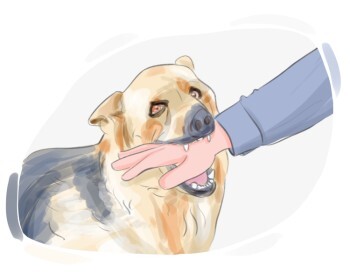
to cut into flesh, food, etc. using the teeth
morder
Para atrapar a su presa, el depredador a menudo muerde con precisión.

to fill with air or gas until something becomes inflated
inflar, llenar de aire
Él infló los globos para las decoraciones de la fiesta.

a thin and small rubber bag with a hole into which air is blown and is used as a toy or decoration
globo, bomba
Un gran globo con forma de dinosaurio fue lo más destacado del desfile.
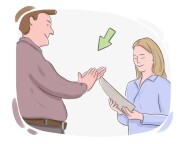
to strike the palms of one's hands together forcefully, usually to show appreciation or to attract attention
aplaudir
Los estudiantes aplaudieron al ritmo de la música durante la asamblea escolar.
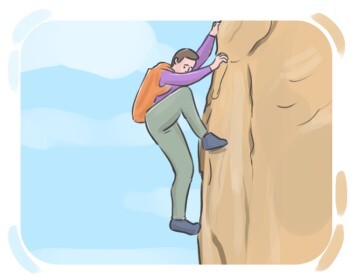
to go up mountains, cliffs, or high natural places as a sport
escalar
El instructor experimentado enseñó pacientemente al grupo cómo escalar de manera segura.
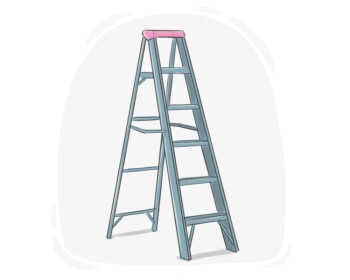
a piece of equipment with a set of steps that are connected to two long bars, used for climbing up and down a height
escalera
El bombero subió rápidamente por la escalera para rescatar al gato atrapado en el árbol.
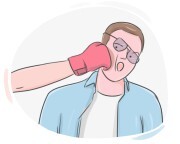
to strike someone or something with force using one's hand or an object
golpear, pegar
El profesor le dijo al estudiante que no golpeara a sus compañeros de clase.
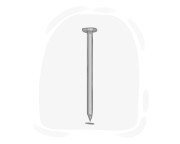
a small strong pointy metal that is inserted into walls or wooden objects using a hammer to hang things from or fasten them together
clavo
Ella martilló cuidadosamente el clavo para evitar partir la madera.
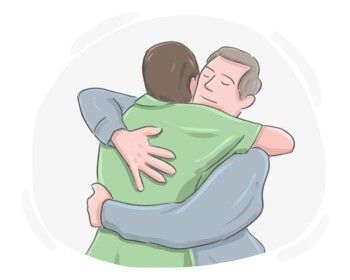
to tightly and closely hold someone in one's arms, typically a person one loves
abrazarse
Como muestra de apoyo, abrazó suavemente a su amigo que estaba pasando por un momento difícil.
pressed together or densely packed
apretado, compacto
Las páginas del libro estaban apretadas.
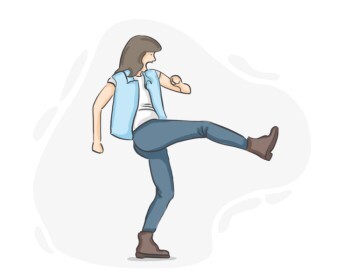
to hit a thing or person with the foot
patear
El manifestante pateó el cartel enojado.

the oval-shaped ball that is used for playing American football
balón de fútbol americano, balón ovalado
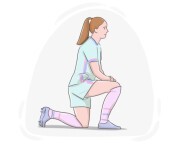
to support the weight of the body on a knee or both knees
arrodillarse, ponerse de rodillas
El atleta eligió arrodillarse durante el himno nacional como una protesta pacífica contra la injusticia social.
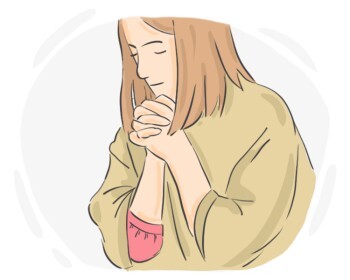
to speak to God or a deity, often to ask for help, express gratitude, or show devotion
rezar
Las familias se reúnen alrededor de la mesa para orar antes de las comidas, expresando gratitud por la comida.
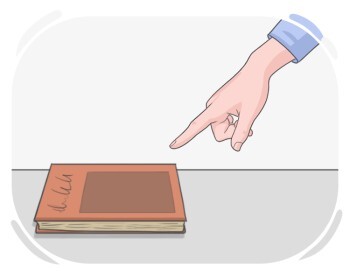
to show the place or direction of someone or something by holding out a finger or an object
indicar
Ella señaló la ubicación del tesoro escondido en el mapa.
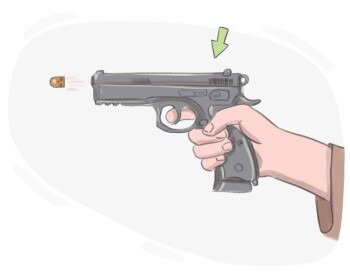
a type of weapon that can fire bullets, etc.
pistola, fusil
El guardia de seguridad llevaba un arma cargada en una funda segura mientras estaba de servicio.
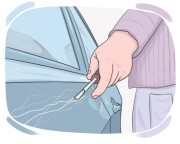
to make small cuts or marks on a surface
arañar, rayar
Ella accidentalmente rayó la pantalla de su teléfono con sus llaves.
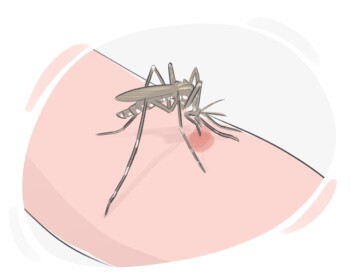
a wound or small injury caused by the bite of an insect, often resulting in itching, swelling, or irritation
picadura de insecto, mordedura de insecto
Una picadura de insecto puede causar una reacción alérgica en algunas personas.

to look at someone or something without moving the eyes or blinking, usually for a while, and often without showing any expression
mirar fijamente, quedarse mirando
El estudiante mira fijamente el problema de matemáticas, intentando resolverlo.
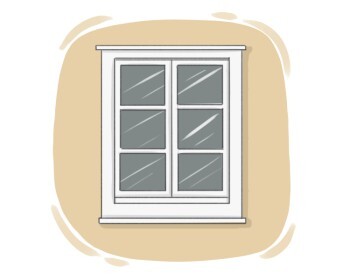
a space in a wall or vehicle that is made of glass and we use to look outside or get some fresh air
ventana
Ella abrió la ventana para dejar entrar un poco de aire fresco.
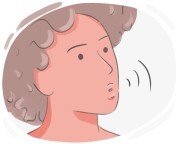
to make a high-pitched sound by forcing air out through one's partly closed lips
silbar
Él silbó fuerte para llamar la atención del perro desde el otro lado del parque.
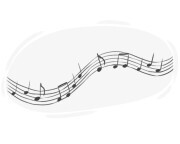
a sequence of musical notes arranged in a specific order to create a recognizable piece of music
tonada, tonada
La melodía pegadiza de la canción se quedó en mi cabeza todo el día.
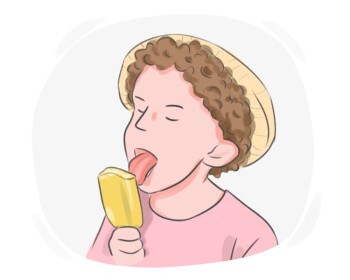
to pass the tongue over a surface, typically to taste or eat something
lamer, pasar la lengua por
Él lamió el sello y lo pegó en la carta.
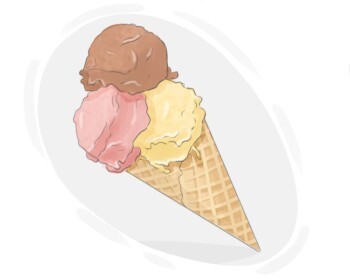
a sweet and cold dessert that is made from a mixture of milk, cream, sugar, and various flavorings
helado
Ella pidió un banana split con tres sabores diferentes de helado.
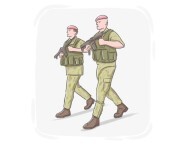
to walk firmly with regular steps
marchar
Los oficiales de policía desfilaron por la calle, asegurando una presencia visible durante el evento comunitario.
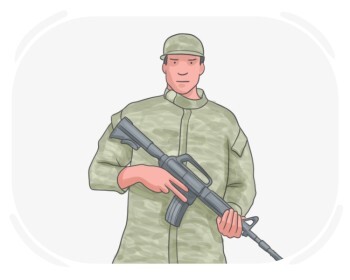
someone who serves in an army, particularly a person who is not an officer
soldado
En la antigüedad, un soldado solía llevar un escudo y una espada.

an attitude or behavior characterized by a lack of warmth, friendliness, or interest
frialdad, desprecio
No sé por qué me trata con frialdad.
to completely agree with someone and understand their point of view
estar totalmente de acuerdo, ver las cosas igual
![[be] (way|) in over {one's} head](https://cdn.langeek.co/photo/46537/thumb/350?type=jpeg "[be] (way|) in over {one's} head")
to get involved with something that is too difficult for one to handle or get out of
quedarle grande, meterse en camisa de once varas
Se metieron en camisa de once varas con un préstamo que no podían pagar.
to speak or argue in vain, with little or no chance of being listened to or heeded
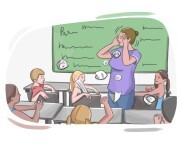
impossible or very hard to control
fuera de control, imposible de controlar
El incendio se salió rápidamente de control y se extendió por las colinas.
to stir up or provoke a reaction or response
provocar, generar
El accidente despertó mucho miedo y ansiedad entre los testigos.
![to [make] a fuss](https://cdn.langeek.co/photo/42602/thumb/350?type=jpeg "to [make] a fuss")
to react with excessive or unnecessary attention or agitation about something
to be attracted to food that contains a lot of sugar
ser muy goloso, tener debilidad por el dulce
Si eres goloso, te va a encantar esta pastelería.
![to [pull] {one's} leg](https://cdn.langeek.co/photo/44742/thumb/350?type=jpeg "to [pull] {one's} leg")
to joke with someone in a friendly manner by trying to make them believe something that is not true
tomarle el pelo a alguien, quedarse con alguien
No le creas a Sara; le encanta tomarle el pelo a la gente.
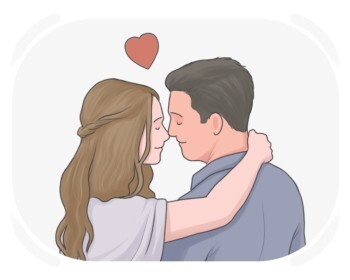
to have very strong feelings for someone or something that is important to us and we like a lot and want to take care of
querer
Ella supo que él era al que amaba cuando la apoyó en un momento difícil.
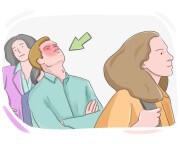
(of a person) feeling great anger
furioso
Ella estaba furiosa con su colega por atribuirse el mérito de su trabajo.
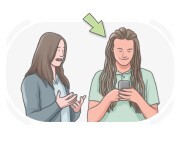
to intentionally pay no or little attention to someone or something
ignorar
Es importante no ignorar los primeros signos de un problema potencial para una resolución oportuna.
important or good enough to be treated or viewed in a particular way
valer
La inversión en fuentes de energía renovable vale la pena perseguir por sus beneficios ambientales a largo plazo.
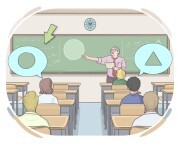
to know something's meaning, particularly something that someone says
entender
No entendió el contrato al que estaba accediendo.
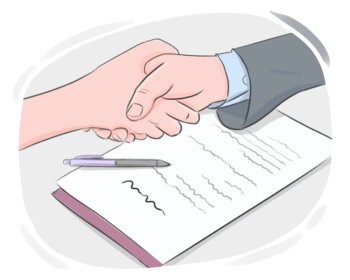
to hold the same opinion as another person about something
estar de acuerdo, concordar
Todos estamos de acuerdo en que necesitamos más recursos para el proyecto.
used to describe a situation or a person that is not being managed or regulated properly, resulting in chaos or recklessness
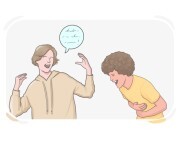
to say something funny or behave in a way that makes people laugh
bromear
Los estudiantes bromearon con su profesor durante la clase.
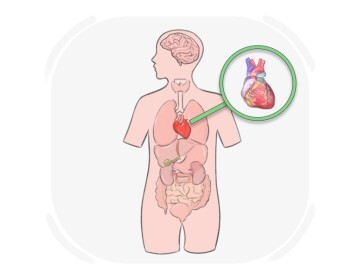
the body part that pushes the blood to go to all parts of our body
corazón
Ella colocó su mano sobre su corazón y sintió que latía con fuerza.
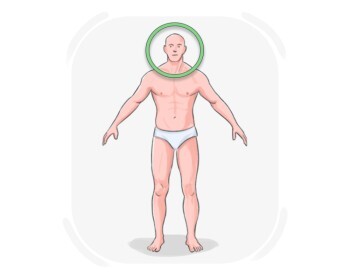
the top part of body, where brain and face are located
cabeza
Una bufanda estaba envuelta alrededor de su cabeza para mantenerla caliente.
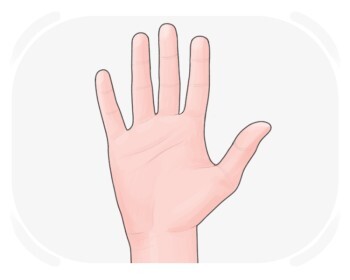
the part of our body that is at the end of our arm and we use to grab, move, or feel things
mano
Uso mi mano para escribir y dibujar.
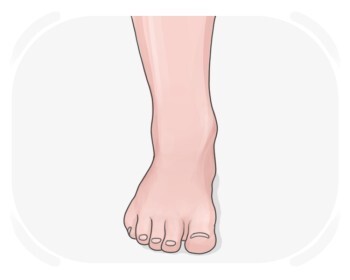
the body part that is at the end of our leg and we stand and walk on
pie
Ella pateó el balón de fútbol con su pie.
