pattern

El libro Insight - Elemental - Unidad 4 - 4A

Aquí encontrarás el vocabulario de la Unidad 4 - 4A del libro de texto Insight Elementary, como "bosque", "arena", "llevar", etc.

Revisión

Tarjetas de memoria

formas

Ortografía

Cuestionario
Empezar a aprender
Insight - Elementary
natural
natural
[Adjetivo]

originating from or created by nature, not made or caused by humans

natural

natural

Ex: The table was crafted from natural wood, showcasing its organic grain patterns. 

La mesa estaba elaborada con madera natural, mostrando sus patrones de veta orgánicos.

world
world
[Sustantivo]

the planet earth, where we all live

mundo
mundo

Ex: The world offers infinite possibilities for learning new things. 

El mundo ofrece infinitas posibilidades para aprender cosas nuevas.

desert
desert
[Sustantivo]

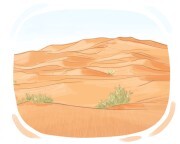
a large, dry area of land with very few plants, typically one covered with sand

desierto
desierto

Ex: During the day, the heat in the desert can be unbearable. 

Durante el día, el calor en el desierto puede ser insoportable.

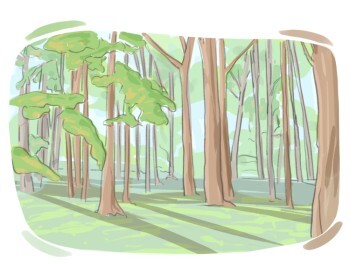
forest
forest
[Sustantivo]

a vast area of land that is covered with trees and shrubs

bosque

bosque

Ex: The forest is home to a diverse range of plant and animal species. 

El bosque alberga una amplia variedad de especies de plantas y animales.

grassland
grassland
[Sustantivo]

a large, open, and grass-covered area

pradera, pastizal

pradera, pastizal

Ex: Fires can spread quickly in dry grasslands. 

Los incendios pueden propagarse rápidamente en los prados secos.
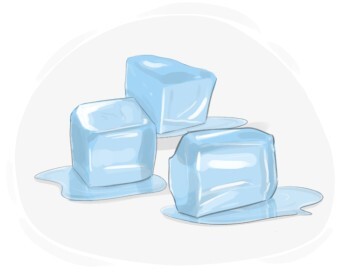
ice
ice
[Sustantivo]

frozen water, which has a solid state

hielo
hielo

Ex: I used an ice pack to reduce the swelling on my injured knee. 

Usé una bolsa de hielo para reducir la hinchazón en mi rodilla lesionada.

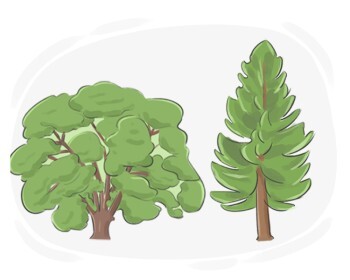
tree
tree
[Sustantivo]

a very tall plant with branches and leaves, that can live a long time

árbol
árbol

Ex: The tall oak tree provided shade on a hot summer day. 

El alto árbol roble proporcionaba sombra en un caluroso día de verano.

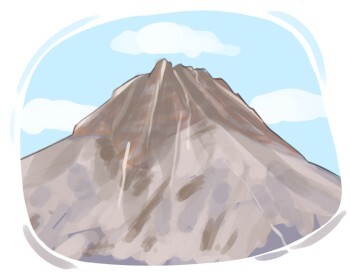
mountain
mountain
[Sustantivo]

a very tall and large natural structure that looks like a huge hill with a pointed top that is often covered in snow

montaña
montaña

Ex: The mountain provided a natural barrier between the two valleys. 

La montaña proporcionaba una barrera natural entre los dos valles.

plant
plant
[Sustantivo]

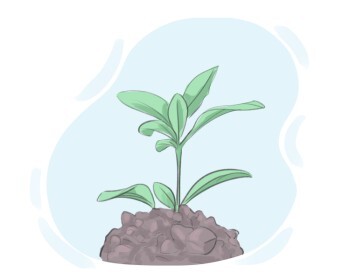
a living thing that grows in ground or water, usually has leaves, stems, flowers, etc.

planta
planta

Ex: The orchid is a beautiful tropical plant. 

La orquídea es una hermosa planta tropical.

sand
sand
[Sustantivo]

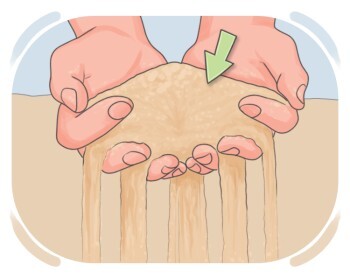
a pale brown substance that consists of very small pieces of rock, which is found in deserts, on beaches, etc.

arena
arena

Ex: After the hike, they found their shoes filled with sand. 

Después de la caminata, encontraron sus zapatos llenos de arena.

snow
snow
[Sustantivo]

small, white pieces of frozen water vapor that fall from the sky in cold temperatures

nieve
nieve

Ex: The mountain peaks were capped with glistening snow. 

Las cumbres de las montañas estaban cubiertas de nieve reluciente.

baboon
baboon
[Sustantivo]

a large monkey with a doglike face and large teeth, native to Africa and South Asia

babuino
babuino

Ex: Baboons are omnivores, feeding on a wide range of foods including fruits, seeds, insects, small mammals, and even other primates. 

Los babuinos son omnívoros, alimentándose de una amplia gama de alimentos que incluyen frutas, semillas, insectos, pequeños mamíferos e incluso otros primates.

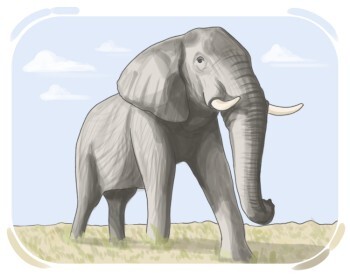
elephant
elephant
[Sustantivo]

an animal that is very large, has thick gray skin, four legs, a very long nose that is called a trunk, and mostly lives in Asia and Africa

elefante
elefante

Ex: The baby elephant clumsily followed its mother, learning to navigate the world. 

El bebé elefante seguía torpemente a su madre, aprendiendo a navegar por el mundo.

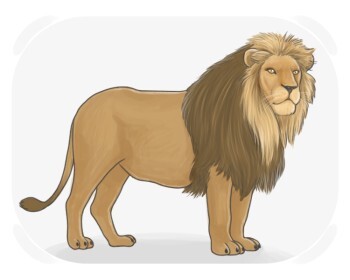
lion
lion
[Sustantivo]

a powerful and large animal that is from the cat family and mostly found in Africa, with the male having a large mane

león

león

Ex: The lion's roar can be heard from miles away, establishing its dominance. 

El rugido del león puede escucharse a millas de distancia, estableciendo su dominio.

oxpecker bird
oxpecker bird
[Sustantivo]

a small, brown bird that is commonly found in Africa, which feeds on parasites that live on the skin of mammals.

pájaro picabueyes, picabueyes

pájaro picabueyes, picabueyes

Ex: A rhino was covered in oxpecker birds. 

Un rinoceronte estaba cubierto de aves picabueyes.
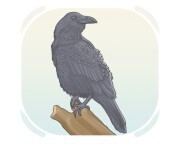
raven
raven
[Sustantivo]

a large black bird belonging to the crow family with shiny feathers and a loud unpleasant call

cuervo

cuervo

Ex: The raven's intelligence was evident as it solved puzzles to retrieve treats hidden by researchers. 

La inteligencia del cuervo era evidente mientras resolvía acertijos para recuperar golosinas escondidas por los investigadores.
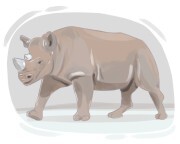
rhinoceros
rhinoceros
[Sustantivo]

a very large mammal with a thick gray skin and one or two horns on its nose, feeding on plants, which is native to Africa and Southern Asia

rinoceronte
rinoceronte

Ex: The rhinoceros's thick, armored skin provides protection against predators and thorny vegetation alike. 

La piel gruesa y blindada del rinoceronte proporciona protección contra depredadores y vegetación espinosa por igual.

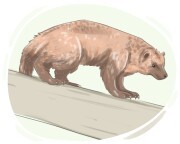
wolverine
wolverine
[Sustantivo]

a wild, solitary, strong, and resilient mammal with brown fur and a long tail, typically found in cold regions of northern Eurasia, Europe, and North America

glotón
glotón

Ex: The thick fur of a wolverine helps it survive in cold climates. 

El glotón tiene un pelaje grueso que le ayuda a sobrevivir en climas fríos.

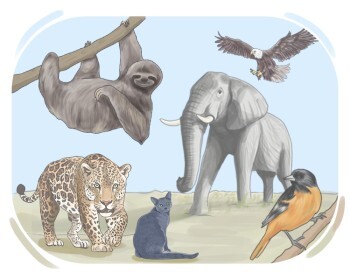
animal
animal
[Sustantivo]

a living thing, like a cat or a dog, that can move and needs food to stay alive, but not a plant or a human

animal

animal

Ex: My son's favorite animal is the lion. 

El animal favorito de mi hijo es el león.

to carry
to carry
[Verbo]

to hold someone or something and take them from one place to another

llevar
llevar

Ex: The river's current can easily carry small boats downstream. 

La corriente del río puede fácilmente llevar pequeños botes río abajo.

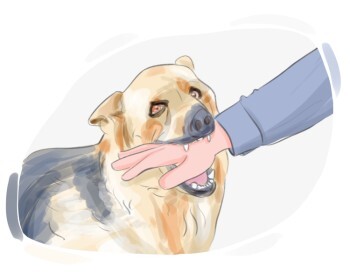
to bite
to bite
[Verbo]

to cut into flesh, food, etc. using the teeth

morder

morder

Ex: To catch its prey, the predator would often bite with precision. 

Para atrapar a su presa, el depredador a menudo muerde con precisión.

to look for

to expect or hope for something

esperar

esperar

Ex: I am looking for a positive resolution to this conflict. 

Estoy buscando una resolución positiva para este conflicto.
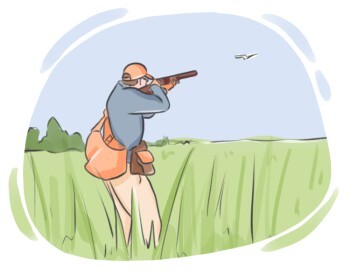
to hunt
to hunt
[Verbo]

to pursue wild animals in order to kill or catch them, for sport or food

cazar
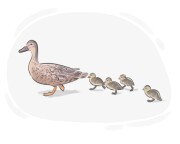
cazar

Ex: The hunter patiently waited for the perfect opportunity to hunt the elusive deer. 

El cazador esperó pacientemente el momento perfecto para cazar el escurridizo ciervo.

to follow
to follow
[Verbo]

to move or travel behind someone or something

seguir
seguir

Ex: The children giggled as they followed the leader in a game of "Simon says." 

Los niños se rieron mientras seguían al líder en un juego de "Simón dice".

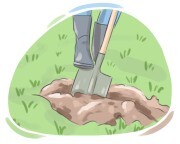
to dig
to dig
[Verbo]

to remove earth or another substance using a tool, machine, or hands

cavar

cavar

Ex: Miners use heavy machinery to dig for valuable minerals. 

Los mineros usan maquinaria pesada para excavar en busca de minerales valiosos.

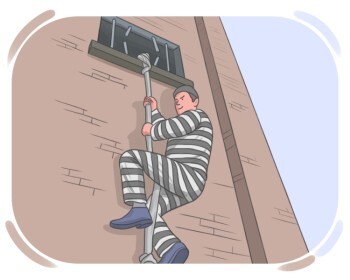
to run away

to escape from or suddenly leave a specific place, situation, or person, often in a hurried manner

escapar

escapar

Ex: The thief managed to run away from the scene of the crime before the police arrived. 

El ladrón logró huir de la escena del crimen antes de que llegara la policía.
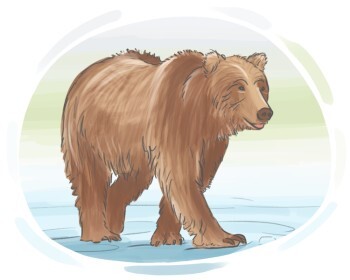
bear
bear
[Sustantivo]

a large animal with sharp claws and thick fur, which eats meat, honey, insects, and fruits

oso
oso

Ex: The bear is a symbol of strength and courage in many cultures. 

El oso es un símbolo de fuerza y valentía en muchas culturas.

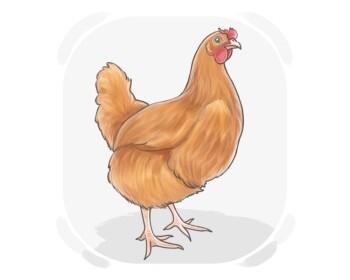
chicken
chicken
[Sustantivo]

a farm bird that we keep to use its meat and eggs

pollo

pollo

Ex: The chicken laid an egg in the nesting box. 

La gallina puso un huevo en la caja nido.

cow
cow
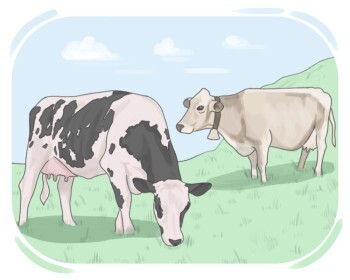
[Sustantivo]

a large farm animal that we keep to use its milk or its meat

vaca

vaca

Ex: The cow's horns were impressive and curved outward. 

Los cuernos de la vaca eran impresionantes y curvados hacia afuera.

eagle
eagle
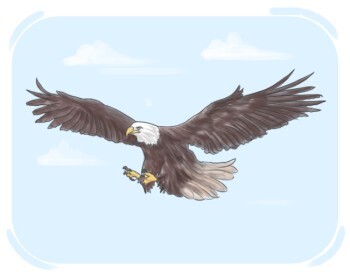
[Sustantivo]

a large bird of prey with a sharp beak, long broad wings, and very good sight

águila

águila

Ex: The eagle's keen eyesight allows it to spot prey from great distances. 

La aguda vista del águila le permite detectar presas desde grandes distancias.

fox
fox
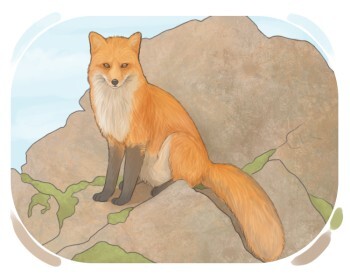
[Sustantivo]

a small to medium-sized carnivorous mammal with a pointed muzzle and bushy tail, often have reddish-brown fur and are known for being clever and adaptable

zorro
zorro

Ex: Sarah learned that foxes are clever and resourceful animals. 

Sarah aprendió que los zorros son animales inteligentes y ingeniosos.

giraffe
giraffe
[Sustantivo]

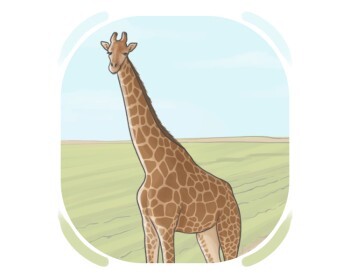
a tall animal with a very long neck and long legs that has brown spots on its yellow fur

jirafa

jirafa

Ex: Tourists marveled at the sight of a herd of giraffes roaming the vast grasslands, their towering silhouettes against the horizon. 

Los turistas se maravillaron ante la vista de una manada de jirafas recorriendo las vastas praderas, sus imponentes siluetas contra el horizonte.

horse
horse
[Sustantivo]

an animal that is large, has a tail and four legs, and we use for racing, pulling carriages, riding, etc.

caballo
caballo

Ex: My dream is to one day own a beautiful horse. 

Mi sueño es algún día tener un hermoso caballo.

monkey
monkey
[Sustantivo]

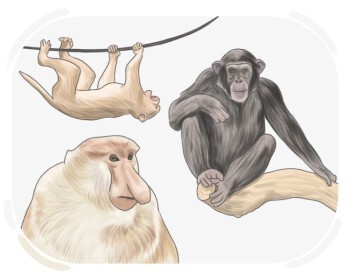
a playful and intelligent animal that has a long tail and usually lives in trees and warm countries

mono
mono

Ex: My sister showed me the monkey eating a banana with delight. 

Mi hermana me mostró el mono comiendo un plátano con deleite.

pig
pig
[Sustantivo]

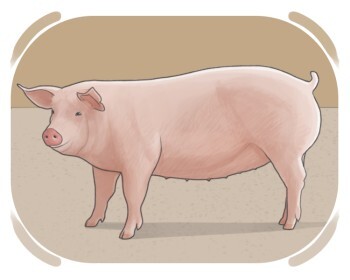
a farm animal that has short legs, a curly tail, and a fat body, typically raised for its meat

cerdo
cerdo

Ex: The pig's nose is sensitive and sniffes the air for food. 

La nariz del cerdo es sensible y huele el aire en busca de comida.

sheep
sheep
[Sustantivo]

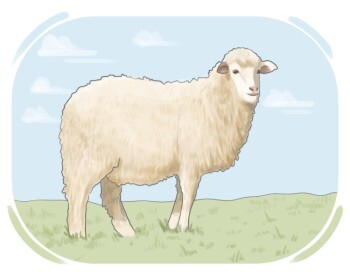
a farm animal that we keep to use its meat or wool

oveja
oveja

Ex: I visited a farm and saw a mother sheep nursing her newborn lambs. 

Visité una granja y vi una oveja amamantando a sus corderos recién nacidos.

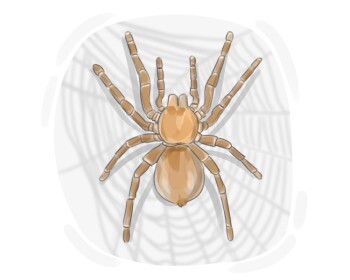
spider
spider
[Sustantivo]

a small creature that spins webs to catch insects for food, with eight legs and two fangs by which poison is injected to its prey

araña

araña

Ex: Sarah read a book about different types of spiders found around the world. 

Sarah leyó un libro sobre los diferentes tipos de arañas que se encuentran en todo el mundo.
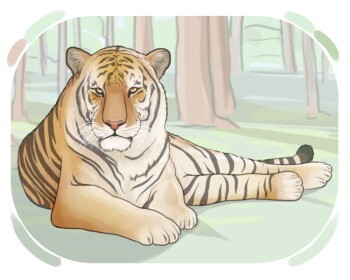
tiger
tiger
[Sustantivo]

a type of large and wild animal that is from the cat family, has orange fur and black stripes, and is mostly found in Asia

tigre
tigre

Ex: The tiger is a majestic and powerful wild animal. 

El tigre es un animal salvaje majestuoso y poderoso.

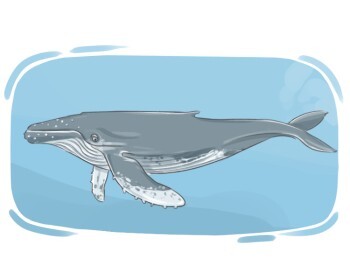
whale
whale
[Sustantivo]

a very large animal that lives in the sea, with horizontal tail fin and a blowhole on top of its head for breathing

ballena

ballena

Ex: Sarah read a book about different species of whales. 

Sarah leyó un libro sobre diferentes especies de ballenas.

wolf
wolf
[Sustantivo]

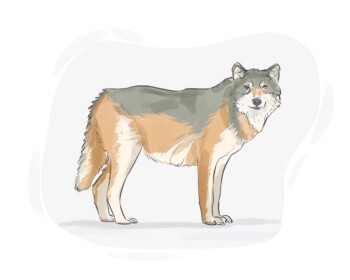
a big and wild animal from the same family as dogs that hunts for food in groups

lobo

lobo

Ex: The lone wolf prowled through the dense forest, hunting for prey. 

El lobo solitario merodeaba por el denso bosque, cazando presas.

butterfly
butterfly
[Sustantivo]

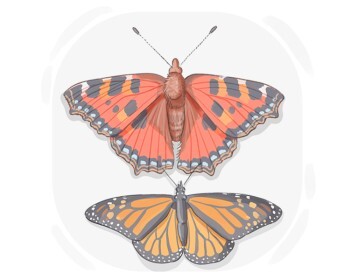
a flying insect with a long, thin body and large, typically brightly colored wings

mariposa

mariposa

Ex: The butterfly landed on my hand for a brief moment before taking flight again. 

La mariposa aterrizó en mi mano por un breve momento antes de volar de nuevo.

LanGeek
Descargar la aplicación LanGeek