
Książka Insight - Podstawowy - Jednostka 4 - 4A
Tutaj znajdziesz słownictwo z Jednostki 4 - 4A w podręczniku Insight Elementary, takie jak "las", "piasek", "nosić" itp.
Przegląd
Fiszki
formy
Pisownia
Test
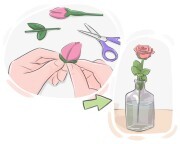
originating from or created by nature, not made or caused by humans

naturalny, przyrodzony
Danie zostało przygotowane przy użyciu naturalnych i lokalnie pozyskiwanych składników.
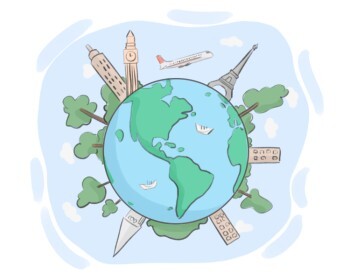
the planet earth, where we all live
świat, ziemia
Na świecie jest ponad 7 miliardów ludzi.
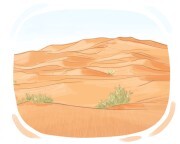
a large, dry area of land with very few plants, typically one covered with sand
pustynia, sahara
Spędził trzy dni na pustyni bez wody.
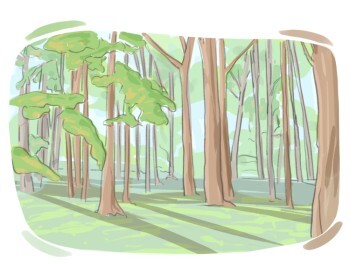
a vast area of land that is covered with trees and shrubs
las
Las zapewnił nam cień w upalny letni dzień.
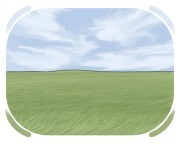
a large, open, and grass-covered area
łąka, pastwisko
Rolnicy wykorzystują łąki do wypasu bydła.
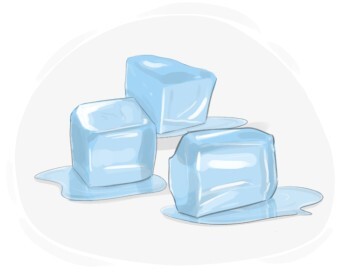
frozen water, which has a solid state
lód
Hokeiści ślizgali się bez wysiłku po lodzie.
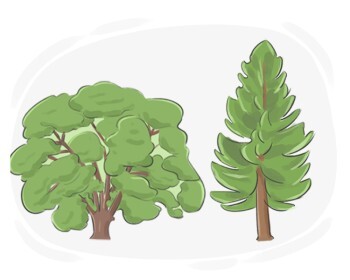
a very tall plant with branches and leaves, that can live a long time
drzewo, drzewo
Drzewo było domem dla rodziny ptaków, które zbudowały swoje gniazdo wśród gałęzi.
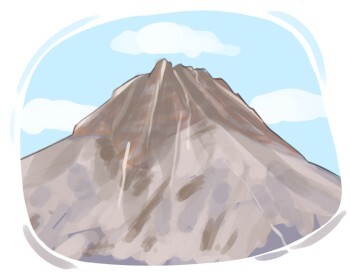
a very tall and large natural structure that looks like a huge hill with a pointed top that is often covered in snow
góra, szczyt
Cieszyliśmy się piknikiem u podnóża góry, otoczeni naturą.
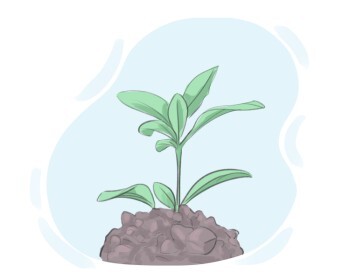
a living thing that grows in ground or water, usually has leaves, stems, flowers, etc.
roślina, ziele
Róża to popularna roślina znana z pięknych kwiatów.
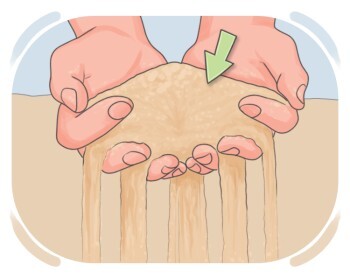
a pale brown substance that consists of very small pieces of rock, which is found in deserts, on beaches, etc.
piasek, drobny piasek
Artysta użył kolorowego piasku, aby stworzyć skomplikowane wzory.
small, white pieces of frozen water vapor that fall from the sky in cold temperatures
śnieg
Widzieliśmy, jak za oknem delikatnie pada śnieg.
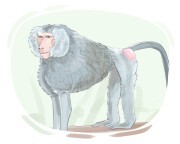
a large monkey with a doglike face and large teeth, native to Africa and South Asia
pawian, mandryl
Stada pawianów są prowadzone przez dominujące samce, które wykorzystują wokalizacje, pokazy i agresję fizyczną do utrzymania swojego statusu w grupie.
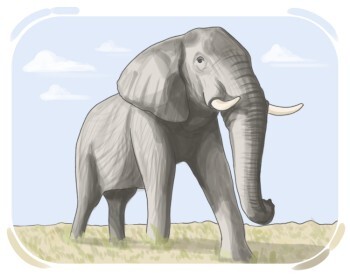
an animal that is very large, has thick gray skin, four legs, a very long nose that is called a trunk, and mostly lives in Asia and Africa
słoń, gruboskórny
Słoń głośno zatrąbił, ogłaszając swoją obecność w dżungli.
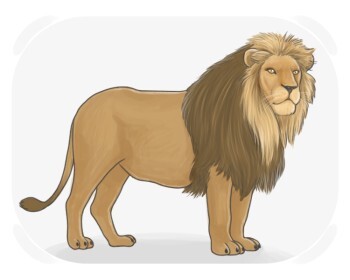
a powerful and large animal that is from the cat family and mostly found in Africa, with the male having a large mane
lew, duży kot
Ryk lwa wysłał wiadomość do innych zwierząt, ostrzegając je, aby trzymały się z daleka.

a small, brown bird that is commonly found in Africa, which feeds on parasites that live on the skin of mammals.
ptak bąkojad, bąkojad
Naukowcy badali rolę ptaków oxpecker w ekosystemach.
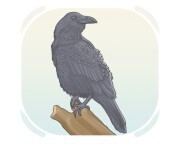
a large black bird belonging to the crow family with shiny feathers and a loud unpleasant call
kruk, czarna wrona
Ostre oczy kruka wypatrzyły padlinę w oddali, alarmując innych padlinożerców o uczcie.
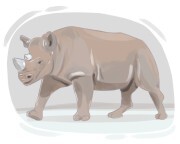
a very large mammal with a thick gray skin and one or two horns on its nose, feeding on plants, which is native to Africa and Southern Asia
nosorożec, rino
Nosorożce są krytycznie zagrożone wyginięciem z powodu kłusownictwa dla ich rogów, którym błędnie przypisuje się właściwości lecznicze.
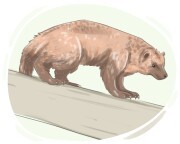
a wild, solitary, strong, and resilient mammal with brown fur and a long tail, typically found in cold regions of northern Eurasia, Europe, and North America
rosomak, wolverine
Rosomaki znane są z silnych szczęk i ostrych pazurów.
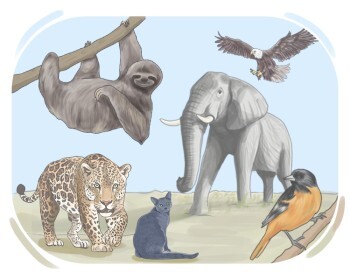
a living thing, like a cat or a dog, that can move and needs food to stay alive, but not a plant or a human
zwierzę, bestia
Kangur to unikalne zwierzę występujące w Australii, znane ze swojej zdolności do skakania.

to hold someone or something and take them from one place to another
nosić, przenosić
Prąd rzeki może łatwo nieść małe łodzie w dół rzeki.
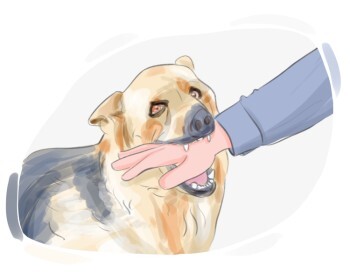
to cut into flesh, food, etc. using the teeth
gryźć, żuć
Maluch próbował ugryźć soczyste jabłko, ale struggled ze swoimi małymi zębami.

to expect or hope for something
oczekiwać, liczyć na
Szukam pozytywnego rozwiązania tego konfliktu.
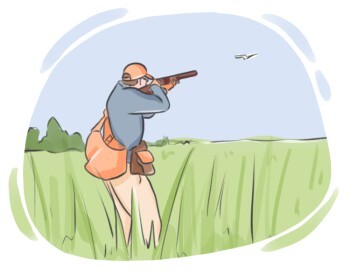
to pursue wild animals in order to kill or catch them, for sport or food
polować, ścigać
Plemię polowało na bawoły dla utrzymania.
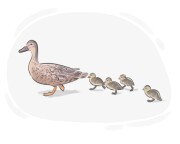
to move or travel behind someone or something
podążać, iść za
Samochód z przodu nagle się zatrzymał, a ja musiałem gwałtownie zahamować, aby uniknąć podążania zbyt blisko.
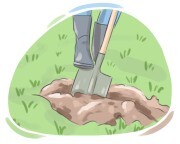
to remove earth or another substance using a tool, machine, or hands
kopać, wykopywać
Górnicy używają ciężkich maszyn do kopania w poszukiwaniu cennych minerałów.
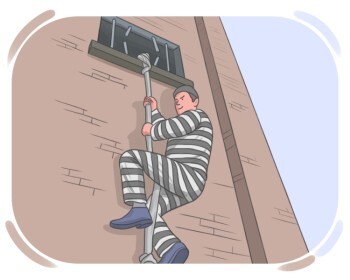
to escape from or suddenly leave a specific place, situation, or person, often in a hurried manner
uciekać, zbiec
Przestraszone dziecko chciało uciec z nawiedzonego domu podczas wycieczki.
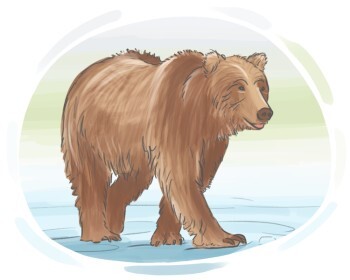
a large animal with sharp claws and thick fur, which eats meat, honey, insects, and fruits
niedźwiedź, niedźwiadek
Niedźwiedź jest znany z silnego węchu.
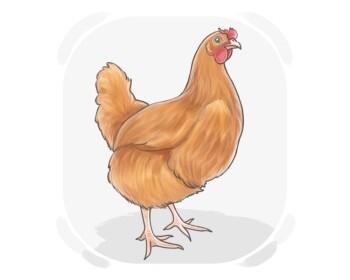
a farm bird that we keep to use its meat and eggs
kurczak, drób
Rolnik karmił kury kukurydzą i ziarnami.
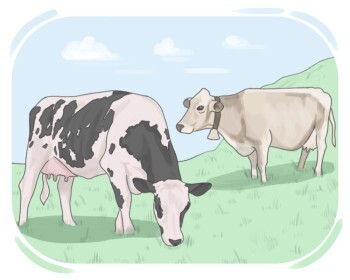
a large farm animal that we keep to use its milk or its meat
krowa, bydło
Mleko krowy było używane do produkcji sera i masła.
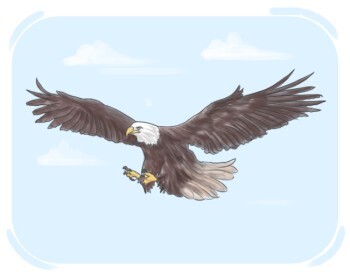
a large bird of prey with a sharp beak, long broad wings, and very good sight
orzeł, bielik
Byliśmy zdumieni ogromną rozpiętością skrzydeł orła, gdy przeleciał nad naszymi głowami.
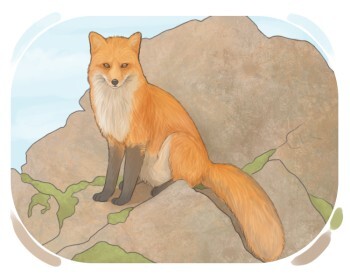
a small to medium-sized carnivorous mammal with a pointed muzzle and bushy tail, often have reddish-brown fur and are known for being clever and adaptable
lis, lisek
Rolnik zainstalował ogrodzenie, aby chronić swoje kury przed lisami.
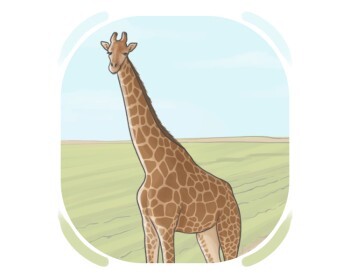
a tall animal with a very long neck and long legs that has brown spots on its yellow fur
żyrafa, żyrafa (rzeczownik)
Pomimo swoich długich nóg, żyrafy poruszają się z zaskakującą gracją, ich kroki pokonują duże odległości z łatwością.

an animal that is large, has a tail and four legs, and we use for racing, pulling carriages, riding, etc.
koń, rumak
Moja siostra naprawdę lubi wybierać się na przygodę z jazdą konną w górach.
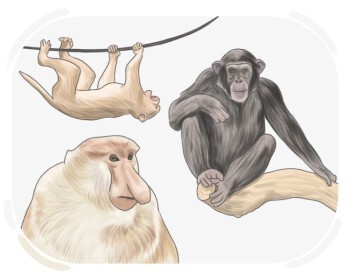
a playful and intelligent animal that has a long tail and usually lives in trees and warm countries
małpa, koczkodan
Inteligencja i zdolność adaptacji małpy uczyniły z niej fascynujące stworzenie do badań.
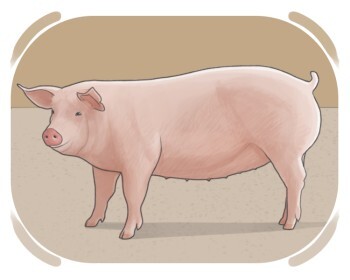
a farm animal that has short legs, a curly tail, and a fat body, typically raised for its meat
świnia, prosię
Różowa skóra świni była pokryta szorstkimi włosami.
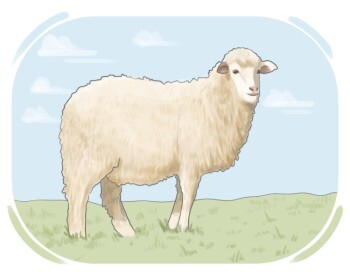
a farm animal that we keep to use its meat or wool
owca, baran
Owce zebrały się wokół koryta, aby zjeść swój posiłek.
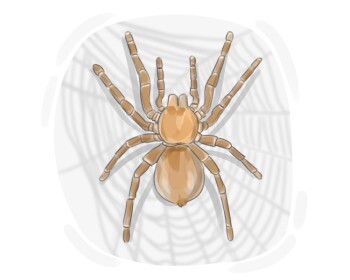
a small creature that spins webs to catch insects for food, with eight legs and two fangs by which poison is injected to its prey
pająk, pajęczak
Dzieci z ciekawością obserwowały, jak pająk wspina się po ścianie.
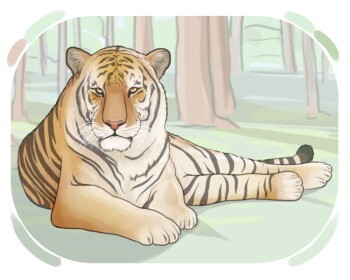
a type of large and wild animal that is from the cat family, has orange fur and black stripes, and is mostly found in Asia
tygrys, pasowany kot
Pomarańczowe i czarne pasy tygrysa są charakterystyczne.
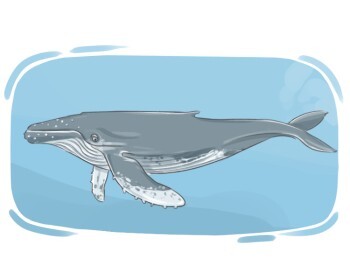
a very large animal that lives in the sea, with horizontal tail fin and a blowhole on top of its head for breathing
wieloryb, wal
Podczas rejsu przyrodniczego natknęli się na stado zabawkowych delfinów i wielorybów.
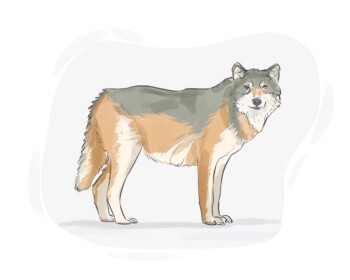
a big and wild animal from the same family as dogs that hunts for food in groups
wilk, wilk szary
Rudy wilk, z jego rdzawo zabarwioną sierścią, jest symbolem działań ochronnych na Południowym Wschodzie.
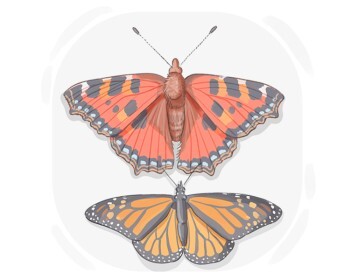
a flying insect with a long, thin body and large, typically brightly colored wings
motyl
Delikatne skrzydła motyla charakteryzowały się skomplikowanymi wzorami i jasnymi kolorami.
