pattern

Habilidades de Palabras SAT 3 - Lección 20

Revisión

Tarjetas de memoria

formas

Ortografía

Cuestionario

Empezar a aprender
SAT Word Skills 3
domain
domain
[Sustantivo]

a territory or area under the control or authority of a ruler or government

dominios

dominios

Ex: The castle stood at the heart of the king's domain. 
dominance
dominance
[Sustantivo]

the state of having superiority over another party in terms of power, knowledge, influence, etc.

dominio

dominio

dominant
dominant
[Adjetivo]

having superiority in power, influence, or importance

dominante

dominante

Ex: The lion is the dominant predator in its ecosystem, ruling over other animals. 
to dominate

to have control over something such as a behavior or situation

dominar

dominar

Ex: Money often dominates political decisions, overshadowing the needs of the people. 
domination
domination
[Sustantivo]

the power or influence that one has over other things or people

dominación

dominación

to domineer

to rule over people without considering their feelings or opinions

dominar

dominar

imbroglio
imbroglio
[Sustantivo]

an awkward misunderstanding

embrollo

embrollo

Ex: The dinner party ended in an imbroglio when two guests argued over a mistaken identity. 
to imbrue
to imbrue
[Verbo]

to stain something, especially by water or blood

teñir

teñir

to imbue
to imbue
[Verbo]

to spread color over something

teñir

teñir

Ex: The sunset imbued the sky with a myriad of colors, painting the horizon in shades of pink, orange, and gold. 
immaculate
immaculate
[Adjetivo]

free from any stain or dirt

inmaculado

inmaculado

Ex: She kept her house immaculate, with every surface gleaming and spotless. 
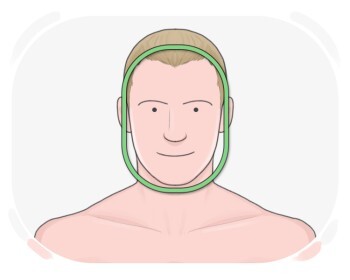
physiognomy
physiognomy
[Sustantivo]

the interpretation of a person's character or temperament based on the structure and expression of their face

fisonomía

fisonomía

Ex: His stern physiognomy gave the impression of a strict personality. 
physiography
physiography
[Sustantivo]

the study of Earth's physical characteristics

fisiografía

fisiografía

physiology
physiology
[Sustantivo]

the field of science that studies the function or interactions among organisms

fisiología

fisiología

Ex: She is studying physiology to understand how the body's systems work together. 
to stimulate

to cause or encourage someone or something to act in a specified manner

estimular

estimular

Ex: The teacher used thought-provoking questions to stimulate students to participate actively in class discussions. 
stimulus
stimulus
[Sustantivo]

something that triggers a reaction in various areas like psychology or physiology

estímulo

estímulo

Ex: In a lab experiment, the researchers applied a visual stimulus to study participants to observe and measure their neurological responses. 
to derive
to derive
[Verbo]

to figure out or establish something through logical analysis or reasoning

derivar, proceder

derivar, proceder

Ex: Scientists derive the laws of physics through rigorous experimentation and mathematical analysis. 
derivative
derivative
[Adjetivo]

resembling or imitating a previous work, often in a way that lacks originality

poco original

poco original

Ex: The novel was criticized for its derivative plot and characters. 
derivation
derivation
[Sustantivo]

the source from which something primarily comes from

origen

origen

derivational
derivational
[Adjetivo]

related to changes in a word's form that show a meaning-related connection with its base

derivacional

derivacional

LanGeek
Descargar la aplicación LanGeek