
pattern

Dovednosti s SAT Slovy 3 - Lekce 20

Revize

Kartičky

tvary

Pravopis

Kvíz

Začněte se učit
SAT Word Skills 3
domain
domain
[Podstatné jméno]

a territory or area under the control or authority of a ruler or government

panství, území

panství, území

Ex: The fortress marked the boundary of the ruler 's domain.

Pevnost označovala hranici panství vládce.

dominance
dominance
[Podstatné jméno]

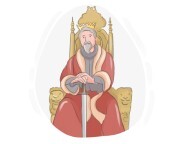
the state of having superiority over another party in terms of power, knowledge, influence, etc.

nadvláda
nadvláda

dominant
dominant
[Přídavné jméno]

having superiority in power, influence, or importance

dominantní, převládající

dominantní, převládající

Ex: The dominant culture in the region influences many aspects of daily life and traditions .

Dominantní kultura v regionu ovlivňuje mnoho aspektů každodenního života a tradic.

to dominate
to dominate
[sloveso]

to have control over something such as a behavior or situation

dominovat, ovládat

dominovat, ovládat

Ex: The strong tradition of the school dominated its policies and values .

Silná tradice školy ovládala její politiky a hodnoty.

domination
domination
[Podstatné jméno]

the power or influence that one has over other things or people

nadvláda, dominance

nadvláda, dominance

to domineer
to domineer
[sloveso]

to rule over people without considering their feelings or opinions

dominovat, tyranizovat

dominovat, tyranizovat

imbroglio
imbroglio
[Podstatné jméno]

an awkward misunderstanding

trapné nedorozumění, zmatek

trapné nedorozumění, zmatek

Ex: Their romantic imbroglio became the talk of the office .

Jejich romantický imbroglio se stal tématem rozhovorů v kanceláři.

to imbrue
to imbrue
[sloveso]

to stain something, especially by water or blood

pošpinit, zašpinit

pošpinit, zašpinit

to imbue
to imbue
[sloveso]

to spread color over something

obarvit, prosáknout

obarvit, prosáknout

Ex: The autumn leaves imbued the landscape with warm colors , painting the trees in shades of red , orange , and yellow .

Podzimní listí prosytilo krajinu teplými barvami, natírající stromy odstíny červené, oranžové a žluté.

immaculate
immaculate
[Přídavné jméno]

free from any stain or dirt

bezchybný, neposkvrněný

bezchybný, neposkvrněný

Ex: He meticulously maintained his tools, ensuring they remained in immaculate condition for every project.

Pečlivě udržoval své nástroje a zajistil, aby zůstaly v bezchybném stavu pro každý projekt.
physiognomy
physiognomy
[Podstatné jméno]

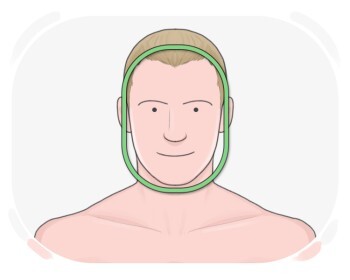
the interpretation of a person's character or temperament based on the structure and expression of their face

fyzionomie, charakter obličeje

fyzionomie, charakter obličeje

Ex: Her delicate physiognomy was often mistaken for fragility .

Její fyziognomie jemná byla často zaměňována za křehkost.

physiography
physiography
[Podstatné jméno]

the study of Earth's physical characteristics

fyziografie, studium fyzických charakteristik Země
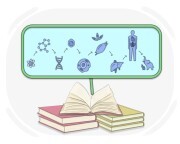
fyziografie, studium fyzických charakteristik Země

physiology
physiology
[Podstatné jméno]

the field of science that studies the function or interactions among organisms

fyziologie

fyziologie

Ex: Advances in physiology can lead to new medical treatments and therapies .

Pokroky ve fyziologii mohou vést k novým lékařským léčbám a terapiím.

to stimulate
to stimulate
[sloveso]

to cause or encourage someone or something to act in a specified manner

stimulovat, povzbudit

stimulovat, povzbudit

Ex: The marketing campaign was crafted to stimulate consumers to try the new product .

Marketingová kampaň byla vytvořena, aby stimulovala spotřebitele k vyzkoušení nového produktu.

stimulus
stimulus
[Podstatné jméno]

something that triggers a reaction in various areas like psychology or physiology

podnět, stimul

podnět, stimul

Ex: Teachers often use interactive and engaging stimuli, like educational games or hands-on activities , to stimulate interest and enhance the learning experience in the classroom .

Učitelé často používají interaktivní a poutavé podněty, jako jsou vzdělávací hry nebo praktické aktivity, aby stimulovali zájem a zlepšili učební zážitek ve třídě.

to derive
to derive
[sloveso]

to figure out or establish something through logical analysis or reasoning

odvodit, stanovit

odvodit, stanovit

Ex: Detectives derive conclusions about criminal cases through evidence analysis and deductive reasoning .

Detektivové odvozují závěry o trestních případech prostřednictvím analýzy důkazů a deduktivního uvažování.

derivative
derivative
[Přídavné jméno]

resembling or imitating a previous work, often in a way that lacks originality

odvozený,  napodobující

odvozený, napodobující

Ex: The music felt derivative, mimicking the style of earlier pop songs .

Hudba působila odvozeně, napodobovala styl dřívějších popových písní.

derivation
derivation
[Podstatné jméno]

the source from which something primarily comes from

původ, zdroj

původ, zdroj

derivational
derivational
[Přídavné jméno]

related to changes in a word's form that show a meaning-related connection with its base

derivační, vztahující se k derivaci

derivační, vztahující se k derivaci

LanGeek
Stáhnout aplikaci LanGeek