
pattern

Навыки Слов SAT 3 - урок 20

Обзор

Флэш-карточки

формы

Правописание

Тест

Начать учиться
SAT Word Skills 3
domain
domain
[существительное]

a territory or area under the control or authority of a ruler or government

область

область

Ex: The fortress marked the boundary of the ruler 's domain.

Крепость обозначала границу владений правителя.

Закрыть
Войти
dominance
dominance
[существительное]

the state of having superiority over another party in terms of power, knowledge, influence, etc.

владычество

владычество

Закрыть
Войти
dominant
dominant
[прилагательное]

having superiority in power, influence, or importance

преобладающий

преобладающий

Ex: The dominant culture in the region influences many aspects of daily life and traditions .

Доминирующая культура в регионе влияет на многие аспекты повседневной жизни и традиций.

Закрыть
Войти
to dominate
to dominate
[глагол]

to have control over something such as a behavior or situation

преобладать

преобладать

Ex: The strong tradition of the school dominated its policies and values .

Сильная традиция школы доминировала в ее политике и ценностях.

Закрыть
Войти
domination
domination
[существительное]

the power or influence that one has over other things or people

преобладание

преобладание

Закрыть
Войти
to domineer
to domineer
[глагол]

to rule over people without considering their feelings or opinions

господствовать

господствовать

Закрыть
Войти
imbroglio
imbroglio
[существительное]

an awkward misunderstanding

недоразумение

недоразумение

Ex: Their romantic imbroglio became the talk of the office .

Их романтический имброльо стал темой разговоров в офисе.

Закрыть
Войти
to imbrue
to imbrue
[глагол]

to stain something, especially by water or blood

запятнать

запятнать

Закрыть
Войти
to imbue
to imbue
[глагол]

to spread color over something

пропитывать

пропитывать

Ex: The autumn leaves imbued the landscape with warm colors , painting the trees in shades of red , orange , and yellow .

Осенние листья наполнили пейзаж теплыми цветами, окрашивая деревья в оттенки красного, оранжевого и желтого.

Закрыть
Войти
immaculate
immaculate
[прилагательное]

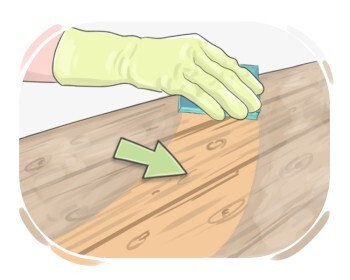
free from any stain or dirt

непорочный

непорочный

Ex: He meticulously maintained his tools, ensuring they remained in immaculate condition for every project.

Он тщательно ухаживал за своими инструментами, обеспечивая их безупречное состояние для каждого проекта.

Закрыть
Войти
physiognomy
physiognomy
[существительное]

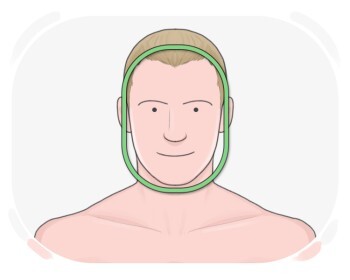
the interpretation of a person's character or temperament based on the structure and expression of their face

физиономия, лицо

физиономия, лицо

Ex: Her delicate physiognomy was often mistaken for fragility .

Её физиогномика нежная часто принималась за хрупкость.

Закрыть
Войти
physiography
physiography
[существительное]

the study of Earth's physical characteristics

физическая география

физическая география

Закрыть
Войти
physiology
physiology
[существительное]

the field of science that studies the function or interactions among organisms

физиология

физиология

Ex: Advances in physiology can lead to new medical treatments and therapies .

Достижения в физиологии могут привести к новым медицинским методам лечения и терапиям.

Закрыть
Войти
to stimulate
to stimulate
[глагол]

to cause or encourage someone or something to act in a specified manner

стимулировать

стимулировать

Ex: The marketing campaign was crafted to stimulate consumers to try the new product .

Маркетинговая кампания была разработана, чтобы стимулировать потребителей попробовать новый продукт.

Закрыть
Войти
stimulus
stimulus
[существительное]

something that triggers a reaction in various areas like psychology or physiology

раздражитель

раздражитель

Ex: Teachers often use interactive and engaging stimuli, like educational games or hands-on activities , to stimulate interest and enhance the learning experience in the classroom .

Учителя часто используют интерактивные и увлекательные стимулы, такие как образовательные игры или практические занятия, чтобы стимулировать интерес и улучшить учебный опыт в классе.

Закрыть
Войти
to derive
to derive
[глагол]

to figure out or establish something through logical analysis or reasoning

выводить

выводить

Ex: Detectives derive conclusions about criminal cases through evidence analysis and deductive reasoning .

Детективы выводят заключения об уголовных делах посредством анализа улик и дедуктивного рассуждения.

Закрыть
Войти
derivative
derivative
[прилагательное]

resembling or imitating a previous work, often in a way that lacks originality

производный

производный

Ex: The music felt derivative, mimicking the style of earlier pop songs .

Музыка казалась производной, подражая стилю более ранних поп-песен.

Закрыть
Войти
derivation
derivation
[существительное]

the source from which something primarily comes from

происхождение

происхождение

Закрыть
Войти
derivational
derivational
[прилагательное]

related to changes in a word's form that show a meaning-related connection with its base

деривационный

деривационный

Закрыть
Войти
LanGeek
Скачать приложение LanGeek