
Cambridge IELTS 18 - Académico - Prueba 2 - Lectura - Pasaje 2 (2)
Learn vocabulary from the second part of Cambridge IELTS 18 Academic, Test 2 Reading Passage 2, with useful words and expressions from the text.
Revisión
Tarjetas de memoria
formas
Ortografía
Cuestionario


(of humans) liable to make mistakes or to be imperfect, unlike divine beings

falible
Como seres falibles, debemos reconocer nuestras limitaciones y estar abiertos a aprender de nuestros errores.
because of caring about someone or something and wanting to make a situation better for them
por el bien de alguien o algo, en beneficio de alguien o algo
Se quedaron juntos por el bien de los niños.
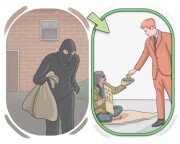
in a manner that is morally right or good
éticamente, de manera ética
Ella expresó sus preocupaciones éticamente para evitar dañar injustamente las reputaciones.
with regard to thinking processes, learning, or understanding, particularly focusing on mental activities and acquiring knowledge
cognitivamente
El programa de adquisición del lenguaje estimula a los aprendices cognitivamente, mejorando las habilidades lingüísticas.
a claim that one has moral superiority over others
tener una autoridad moral
a way or method that leads to a certain goal or result
camino, ruta
to influence or direct the way a situation, activity, or course of action develops
dirigir, orientar
a general course along which something has a tendency to develop
dirección, tendencia
unrealistic or impossible to fully achieve in the real world
utópico
Lograr una igualdad y equidad totales es un objetivo utópico que cualquier sistema del mundo real no alcanzará en cierta medida, respondieron los críticos.
a mental image of what one wants or hopes to achieve in the future
visión, perspectiva
the ultimate purpose or end for which someone or something is intended
destino
having enough of something to meet a particular need or requirement
suficiente, adecuado
El equipo tenía un número suficiente de jugadores para competir en el torneo.
used to indicate that something is provided or accepted as a basis for a particular situation or argument
dado, considerando
associated with a social group of people who share common ancestry, language, and traditions, and often reside in a specific geographic area
tribal, de la tribu
El lenguaje tribal se transmite de generación en generación como un símbolo de identidad cultural.
experiencing contradictory feelings, thoughts, or emotions, often resulting from having to make a difficult choice
conflictivo, dividido
El personaje de la novela experimentó emociones conflictivas, dividido entre el amor y el deber.
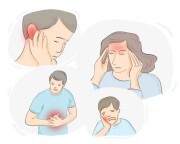
physical or mental pain, distress, or unhappiness
sufrimiento, padecimiento

to be one of the causes or reasons that helps something happen
contribuir
to focus or direct something towards a specific target
apuntar, dirigir

used to mean that one has control, responsibility, or authority over something
en sus manos, bajo su responsabilidad
El futuro de la empresa está en manos de la junta.
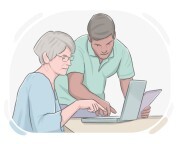
a person who leads or advises others on the way to go
guía
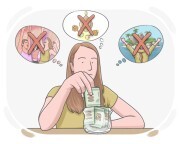
to give up something valuable or important in order to achieve or protect something considered more important
sacrificar, renunciar a
the ability or freedom to make decisions and act independently
autonomía, independencia
to prevent or persuade someone from taking a particular action or pursuing a specific course of action
desalentar, disuadir
a temporary failure or gap in judgment, memory, or concentration
lapsus, fallo
Ella experimentó un lapsus de concentración durante la larga conferencia.
at the moment or present time
en este momento, actualmente
Actualmente estoy revisando las últimas actualizaciones para proporcionar información precisa.
![to [take] {sb/sth} for granted](https://cdn.langeek.co/photo/44572/thumb/350?type=jpeg "to [take] {sb/sth} for granted")
to not appreciate a person or thing because one thinks one will never lose them
dar por sentado, no valorar
En muchas ciudades damos por sentada el agua limpia.
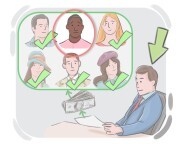
to unfairly treat a person or group of people based on their sex, race, etc.
discriminar
Discriminar a alguien por su raza es una forma de racismo.
used to show support for something
a favor de, por
Ella firmó una petición a favor de salvar la selva tropical.
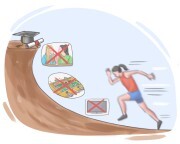
to restrain oneself from having something
privarse, negarse
sticking to principles of right and wrong conduct and moral standards
ético, moral
Sus acciones siempre estuvieron guiadas por un sentido ético de justicia.
(chemistry) a nonmetallic element, abundant in the earth's crust, used as a semiconductor in electronics
silicio, silicio
to become aware of something through seeing, hearing, or feeling it
notar, darse cuenta
not probable and difficult to believe
inverosímil, rebuscado
Desestimaron las afirmaciones descabelladas como meras especulaciones sin evidencia.
the information or events that stimulate action or response
entrada, aportación

(usually plural) means such as equipment, money, manpower, etc. that a person or organization can benefit from
recurso
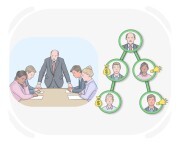
a set of actions and responsibilities that are assigned to a person or group within a specific context
rol
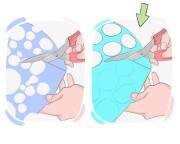
with minimum waste of resources or energy
eficientemente
La fábrica adoptó nuevas tecnologías para producir bienes de manera más eficiente y sostenible.

to do something for a special reason
actuar
with consideration for the benefit, well-being, or advantage of someone or something
en interés de, por el bien de
Ella compartió su conocimiento con otros en interés de ayudarlos a tener éxito.
a person who pays or is required to pay taxes
contribuyente, pagador de impuestos
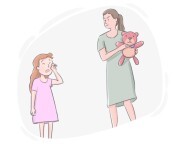
to take away or deny someone or something the possession or enjoyment of a particular thing
privar de, despojar de
La repentina enfermedad amenazó con privarle de las habilidades físicas que una vez dio por sentadas.

having a higher status or rank than someone else within an organization, profession, or hierarchy
superior, mayor
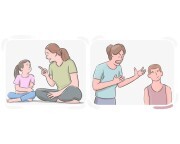
to deal with or behave toward someone or something in a particular way
tratar
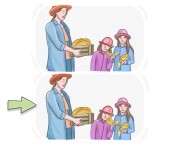
in a fair and even manner, without favoring one over the other
igualmente
El profesor distribuyó los recursos equitativamente entre todos los estudiantes.
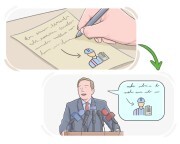
to clearly define or state specific details, characteristics, or requirements
especificar, detallar
a period or point when activity, success, or satisfaction is at its lowest level
valle, periodo bajo
Trabajaron duro para recuperarse del bache de baja demanda.
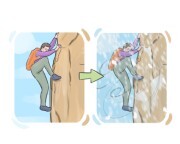
to continue doing something even though there are some hardships
seguir con
El músico se mantuvo en su rutina de práctica, dedicando horas cada día para perfeccionar sus habilidades.
