pattern

Cambridge IELTS 18 - Academic - テスト2 - 読解 - パッセージ2 (2)

Cambridge IELTS 18 Academic, Test 2 Reading Passage 2の第2部から、テキストの役立つ単語や表現を使って語彙を学びましょう。

レビュー

フラッシュカード

語形

綴り

クイズ

学習を開始
Cambridge IELTS 18 - Academic
fallible
fallible
[形容詞]

(of humans) liable to make mistakes or to be imperfect, unlike divine beings

誤りを犯しやすい, 不完全な

誤りを犯しやすい, 不完全な

Ex: In many religious beliefs, humans are viewed as fallible beings, contrasting with deities who are considered infallible and free from error. 

多くの宗教的信念において、人間は過ちを犯しうる存在として見なされ、過ちを犯さず誤りのない神々とは対照的です。

for the sake of {sb/sth}

because of caring about someone or something and wanting to make a situation better for them

誰かまたは何かのために, 誰かまたは何かの利益のために

誰かまたは何かのために, 誰かまたは何かの利益のために

Ex: He moved to the seaside for the sake of his health. 

彼は健康のために海辺に引っ越しました。

ethically
ethically
[副詞]

in a manner that is morally right or good

倫理的に, 道徳的に正しい方法で

倫理的に, 道徳的に正しい方法で

Ex: The company promised to behave ethically in all its business dealings. 

同社は、すべての事業取引において倫理的に行動することを約束しました。

cognitively
cognitively
[副詞]

with regard to thinking processes, learning, or understanding, particularly focusing on mental activities and acquiring knowledge

認知的に

認知的に

Ex: The educational game engages children cognitively, promoting learning and problem-solving skills. 

教育ゲームは子供たちを認知的に引き込み、学習と問題解決スキルを促進します。

the moral high ground

a claim that one has moral superiority over others

route
route
[名詞]

a way or method that leads to a certain goal or result

道, ルート

道, ルート

Ex: This book explains different routes to success in business. 
to steer
to steer
[動詞]

to influence or direct the way a situation, activity, or course of action develops

導く,  方向づける

導く, 方向づける

Ex: She steered the conversation toward a less controversial topic. 
direction
direction
[名詞]

a general course along which something has a tendency to develop

方向, 傾向

方向, 傾向

Ex: The company is moving in a new direction. 
utopian
utopian
[形容詞]

unrealistic or impossible to fully achieve in the real world

ユートピア的な, 非現実的な

ユートピア的な, 非現実的な

Ex: Critics argued the candidate's promises of universal basic income and free college were utopian ideas without a clear plan for funding them. 

批評家たちは、候補者のユニバーサル・ベーシック・インカムと無料大学の約束は、資金調達の明確な計画がないユートピア的な考えだと主張した。

vision
vision
[名詞]

a mental image of what one wants or hopes to achieve in the future

ビジョン, 展望

ビジョン, 展望

Ex: The founder had a clear vision for the company's future. 
destination
destination
[名詞]

the ultimate purpose or end for which someone or something is intended

目的地

目的地

Ex: The destination of the project was the creation of a fully independent system. 
sufficient
sufficient
[形容詞]

having enough of something to meet a particular need or requirement

十分な, 適切な

十分な, 適切な

Ex: He had saved a sufficient amount of money to purchase the new computer. 

彼は新しいコンピュータを購入するために十分な金額を貯めていた。

clarity
clarity
[名詞]

the quality of being easily understood or recognized

明快さ

明快さ

given
given
[前置詞]

used to indicate that something is provided or accepted as a basis for a particular situation or argument

与えられた, 考慮して

与えられた, 考慮して

Ex: Given the weather conditions, it would be wise to bring an umbrella. 
tribal
tribal
[形容詞]

associated with a social group of people who share common ancestry, language, and traditions, and often reside in a specific geographic area

部族の, 部族に関連する

部族の, 部族に関連する

Ex: Tribal art often reflects spiritual beliefs, mythology, and everyday life. 

部族の芸術は、しばしば精神的信念、神話、日常生活を反映しています。

conflicted
conflicted
[形容詞]

experiencing contradictory feelings, thoughts, or emotions, often resulting from having to make a difficult choice

葛藤している, 分かれた

葛藤している, 分かれた

Ex: He was conflicted about attending the party, torn between wanting to socialize and needing to finish his work. 

彼はパーティーに参加するかどうかで葛藤していました、社交したいという気持ちと仕事を終わらせる必要との間で引き裂かれていました。

suffering
suffering
[名詞]

physical or mental pain, distress, or unhappiness

苦しみ,  苦痛

苦しみ, 苦痛

Ex: The treatment helped reduce Emma's suffering. 
to contribute

to be one of the causes or reasons that helps something happen

寄与する, 一因となる

寄与する, 一因となる

Ex: His hard work contributed to the project's success. 
to point
to point
[動詞]

to focus or direct something towards a specific target

指す, 向ける

指す, 向ける

Ex: The child pointed his toy gun at the target on the wall. 
in {one's} hands

used to mean that one has control, responsibility, or authority over something

彼の手に委ねられている, 彼の責任下にある

彼の手に委ねられている, 彼の責任下にある

Ex: The decision is now in your hands. 

決定は今、あなたの手に委ねられている。

guide
guide
[名詞]

a person who leads or advises others on the way to go

ガイド, メンター

ガイド, メンター

Ex: Her mentor was a guide, offering wisdom during tough decisions. 
to sacrifice
to sacrifice
[動詞]

to give up something valuable or important in order to achieve or protect something considered more important

犠牲にする,  捧げる

犠牲にする, 捧げる

Ex: She sacrificed her free time to finish the project. 
autonomy
autonomy
[名詞]

the ability or freedom to make decisions and act independently

自律性,  自主性

自律性, 自主性

Ex: The new role gives employees greater autonomy in planning their work. 
to discourage

to prevent or persuade someone from taking a particular action or pursuing a specific course of action

思いとどまらせる,  阻止する

思いとどまらせる, 阻止する

Ex: I tried to discourage him from quitting his job by highlighting the potential risks and uncertainties. 

潜在的なリスクと不確実性を強調することで、彼が仕事を辞めるのを思いとどまらせようとしました。

lapse
lapse
[名詞]

a temporary failure or gap in judgment, memory, or concentration

過失, 空白

過失, 空白

Ex: There was a lapse in his memory regarding the details of the event. 

イベントの詳細について、彼の記憶に欠落がありました。

presently
presently
[副詞]

at the moment or present time

現在, 今

現在, 今

Ex: The manager is presently in a meeting and will be available later. 

マネージャーは現在会議中で、後で利用可能になります。

to [take] {sb/sth} for granted

to not appreciate a person or thing because one thinks one will never lose them

ありがたみを忘れる, いて当然と思う

ありがたみを忘れる, いて当然と思う

Ex: Don't take your parents for granted; they won't always be around. 

親がいて当たり前だと思わないで。いつまでもいるわけじゃない。

to discriminate

to unfairly treat a person or group of people based on their sex, race, etc.

差別する

差別する

Ex: The company was accused of discriminating against women in its hiring practices. 

その会社は、採用慣行において女性を差別したと非難されました。

in favor of
in favor of
[前置詞]

used to show support for something

賛成して, のために

賛成して, のために

Ex: He spoke in favor of the motion, arguing that it would benefit the community. 

彼はその動議に賛成して話し、それがコミュニティに利益をもたらすと主張した。

to deny
to deny
[動詞]

to restrain oneself from having something

自分を制する, 自分を拒む

自分を制する, 自分を拒む

Ex: Despite the enticing aroma, she denied herself the temptation of ordering dessert at the restaurant. 
ethical
ethical
[形容詞]

sticking to principles of right and wrong conduct and moral standards

倫理的な, 道徳的な

倫理的な, 道徳的な

Ex: The ethical treatment of animals is a priority for many. 

動物の倫理的な扱いは多くの人々にとって優先事項です。

silicon
silicon
[名詞]

(chemistry) a nonmetallic element, abundant in the earth's crust, used as a semiconductor in electronics

ケイ素,  シリコン

ケイ素, シリコン

Ex: Silicon is the key material used to make computer chips and solar panels. 
to notice
to notice
[動詞]

to become aware of something through seeing, hearing, or feeling it

気づく, 認識する

気づく, 認識する

Ex: The car's engine made a noise I hadn't noticed before. 
far-fetched
far-fetched
[形容詞]

not probable and difficult to believe

信じがたい, こじつけの

信じがたい, こじつけの

Ex: His explanation for being late was so far-fetched that no one believed him. 

彼の遅刻の説明はとてもありえないものだったので、誰も彼を信じなかった。

input
input
[名詞]

the information or events that stimulate action or response

入力, 貢献

入力, 貢献

Ex: Customer feedback serves as valuable input for product improvement. 
resource
resource
[名詞]

(usually plural) means such as equipment, money, manpower, etc. that a person or organization can benefit from

資源, 手段
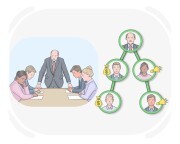
資源, 手段

Ex: Access to educational resources such as libraries and online databases is essential for students. 
role
role
[名詞]

a set of actions and responsibilities that are assigned to a person or group within a specific context

役割

役割

Ex: Her role includes training new employees. 
efficiently
efficiently
[副詞]

with minimum waste of resources or energy

効率的に,  無駄なく

効率的に, 無駄なく

Ex: The public transportation system operates efficiently, providing timely services to commuters. 

公共交通システムは効率的に運営され、通勤者に時間通りのサービスを提供しています。

to act
to act
[動詞]

to do something for a special reason

行動する, 介入する

行動する, 介入する

Ex: The company decided to act quickly to address customer complaints and improve its services. 
in the interest of

with consideration for the benefit, well-being, or advantage of someone or something

の利益のために, のためを思って

の利益のために, のためを思って

Ex: The company implemented new safety measures in the interest of protecting its employees from potential hazards. 

会社は、従業員を潜在的な危険から守るために新しい安全対策を実施しました。

taxpayer
taxpayer
[名詞]

a person who pays or is required to pay taxes

納税者,  納税義務者

納税者, 納税義務者

Ex: Many taxpayers file their returns online each year. 
to deprive of

to take away or deny someone or something the possession or enjoyment of a particular thing

奪う, 取り上げる

奪う, 取り上げる

Ex: The harsh punishment sought to deprive the convict of freedom for an extended period. 

厳しい罰は、長期にわたって受刑者から自由を奪うことを目的としていました。

senior
senior
[形容詞]

having a higher status or rank than someone else within an organization, profession, or hierarchy

上級の,  シニア
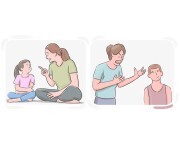
上級の, シニア

Ex: As a senior manager, she oversees several departments. 
to treat
to treat
[動詞]

to deal with or behave toward someone or something in a particular way

扱う, 接する
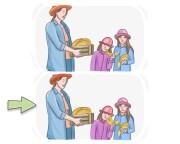
扱う, 接する

Ex: She always treats her friends with kindness and respect. 
equally
equally
[副詞]

in a fair and even manner, without favoring one over the other

平等に, 公平に

平等に, 公平に

Ex: The siblings divided the candies equally between them. 

兄弟姉妹はキャンディーを平等に分け合った。

to specify
to specify
[動詞]

to clearly define or state specific details, characteristics, or requirements

指定する、明記する

指定する、明記する

Ex: The contract must specify the terms of payment, including the amount and due date. 
trough
trough
[名詞]

a period or point when activity, success, or satisfaction is at its lowest level

谷, 低迷期

谷, 低迷期

Ex: The artist faced a creative trough before finding new ideas. 

アーティストは新しいアイデアを見つける前に創造的な低迷期に直面した。

gatekeeper
gatekeeper
[名詞]

someone who controls access to something

門番, ゲートキーパー

門番, ゲートキーパー

to stick to
to stick to
[動詞]

to continue doing something even though there are some hardships

固執する, 続ける

固執する, 続ける

Ex: The student stuck to her study schedule, even when exams seemed overwhelming. 

その学生は、試験が圧倒的に思えても、自分の学習スケジュールにこだわり続けた。

LanGeek
LanGeekアプリをダウンロード