
Le livre Headway - Avancé - Unité 5
Ici, vous trouverez le vocabulaire de l'Unité 5 du manuel Headway Advanced, comme "stéréotype", "robustement", "concession", etc.
Réviser
Flashcards
Orthographe
Quiz
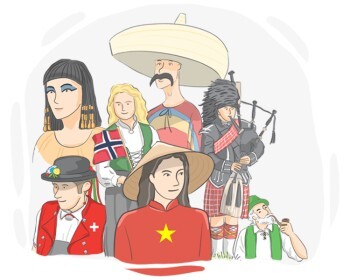
the state of legally belonging to a country
nationalité
Le formulaire demande votre nationalité et votre lieu de naissance.

a widely held but fixed and oversimplified image or idea of a particular type of person or thing
stéréotype
Elle a lutté contre le stéréotype que les femmes ne sont pas bonnes en mathématiques.
the island containing England, Scotland, and Wales
Grande-Bretagne, Bretagne
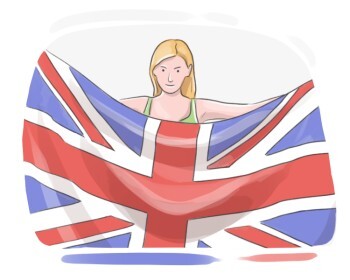
a person from the United Kingdom
Britannique, Anglais
a person who is of British nationality, descent, or origin
Britannique, Anglais
En tant que Britannique, elle ressentait un fort lien avec l'histoire et la culture britanniques.
someone from Britain, typically of British nationality or origin
Britannique, Anglais

the most common language in the world, originating in England but also the official language of America, Canada, Australia, etc.
anglais

a person from Wales or someone of Welsh descent
un Gallois, une Galloise
Elle a rencontré un Gallois qui a partagé des histoires sur sa patrie.

any of the Celtic languages spoken in Ireland, Scotland, or the Isle of Man
gaélique
Il aime écouter des chansons traditionnelles chantées en gaélique.
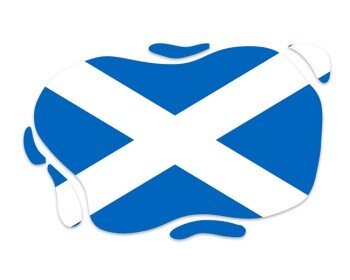
a European country in the northern United Kingdom
Écosse
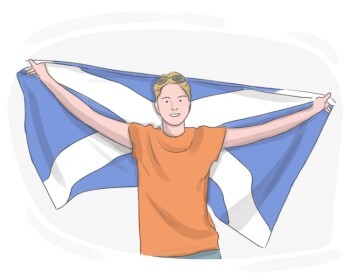
belonging or relating to Scotland, its people, or the Gaelic language
écossais
someone who is from Scotland
écossais, écossaise
Elle est une Écossaise fière qui parle souvent de son héritage écossais.
a variety of English language spoken in Scotland
gaélique d'Écosse

a Celtic language spoken in Scotland, primarily in the Scottish Highlands
gaélique écossais, écossais gaélique
Le gaélique écossais était autrefois largement parlé en Écosse mais est maintenant plus courant dans les zones rurales.

a country in Western Central Europe, south of Germany
Suisse
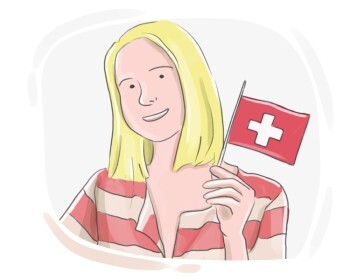
a person who comes from Switzerland
Suisse, Helvète

the main language of France that is also spoken in parts of other countries such as Canada, Switzerland, Belgium, etc.
français

the main language in Germany, Austria and parts of Switzerland
allemand
one of the four official languages of Switzerland, along with German, French, and Italian
romanche
Le romanche est l'une des quatre langues nationales de la Suisse.

a country in the North Western Europe, informally known as Holland
les Pays-Bas
Beaucoup de gens aux Pays-Bas parlent couramment anglais.

the language spoken mainly in the Netherlands and also in parts of Belgium
hollandais, néerlandais

the people of the Netherlands considered collectively
Néerlandais
an individual who is from the Netherlands or of Dutch nationality or descent
Néerlandais, Hollandais
Vincent van Gogh était un célèbre Néerlandais dont l'art a influencé le monde.
relating to the Netherlands, its people, or their language
hollandais, néerlandais

a country in Western Europe bordered by Germany, France, and Luxembourg
Belgique
referring to something or someone from or related to Belgium
belge
Elle adore le chocolat belge et en achète toujours comme une gâterie.
a country in Northern Europe on the Scandinavian Peninsula
Suède
belonging or relating to Sweden, its people, and language
suédois
Elle étudie l'histoire suédoise pour son mémoire de fin d'études.
someone who is from Sweden or of Swedish origin
Suédois, Suédoise
Un Suédois sympathique nous a aidés à trouver notre chemin à Stockholm.

a North Germanic language spoken primarily in Sweden
suédois
a country in Northern Europe in the Scandinavia
Danemark

the official language of Denmark, spoken by the majority of the population
danois
Il a étudié le danois à l'université pour mieux comprendre la littérature scandinave.
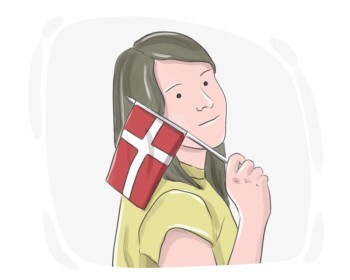
someone from Denmark or of Danish descent
Danois, Danois
Il est un Danois, né et élevé dans la capitale, mais maintenant il vit à l'étranger.
belonging or relating to Denmark, its people, and language
danois
Les pâtisseries danoises sont une gourmandise populaire dans de nombreux pays.

a country in the Central Europe near the Baltic Sea
Pologne

the West Slavic language spoken mainly in Poland
polonais
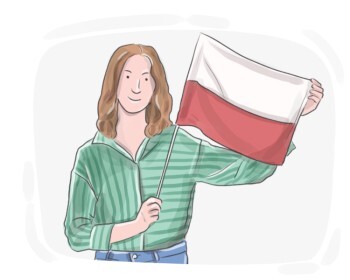
relating to Poland, its people, language, culture, or products
polonais
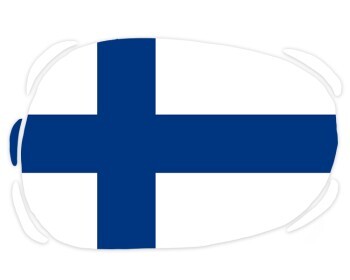
a country in Northern Europe bordered by Norway, Sweden, and Russia
Finlande
Le système éducatif en Finlande est souvent salué pour ses méthodes innovantes.

one of Finland's official languages
finnois
Le finnois a 15 cas grammaticaux, ce qui le rend difficile pour les nouveaux apprenants.
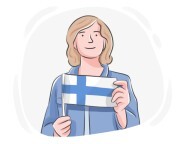
referring to something or someone related to Finland
finlandais
Le peuple finlandais est connu pour son amour de la nature et des activités de plein air.
an island country in the North Atlantic, known for its dramatic volcanic landscapes, glaciers, and geothermal activity
Islande
Les touristes affluent en Islande pour voir les aurores boréales pendant l'hiver.
a person from Iceland, a Nordic island country in the North Atlantic Ocean
Islandais
L'hospitalité chaleureuse d'un Islandais est évidente pour tous ceux qui visitent.
referring to something or someone from or related to Iceland
islandais
Le pull en laine islandais est un souvenir populaire pour les touristes.
a country in southwest Europe
Espagne

the main language of Spain and many Southern or Central American countries
espagnol
relating to Spain or its people or language
espagnol, espagnole
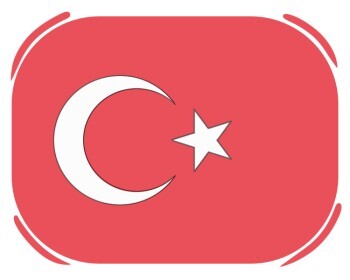
a country mainly in Western Asia, with a smaller part in southeastern Europe
Turquie
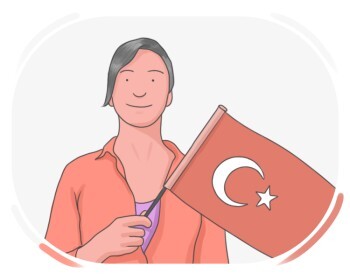
relating to Turkey, its people, culture, or language
turc, turque

someone who is from Turkey or their family came from Turkey
Turc, Personne originaire de Turquie
Elle a appris à préparer des plats authentiques turcs, comme les kebabs et les baklavas, auprès de sa grand-mère.

a sovereign island country located in the southwestern Pacific Ocean, known for its stunning landscapes and diverse Maori and European cultures
Nouvelle-Zélande, Nouvelle Zélande
La Nouvelle-Zélande est célèbre pour ses montagnes et ses plages à couper le souffle.

referring to something or someone that is of or related to New Zealand
néo-zélandais, de Nouvelle-Zélande
La culture néo-zélandaise accorde une grande valeur à la communauté et aux activités de plein air.

an eastern Polynesian language spoken by the Maori people of New Zealand
maori
Il parle couramment le maori et l'anglais, ce qui lui permet de travailler comme traducteur.
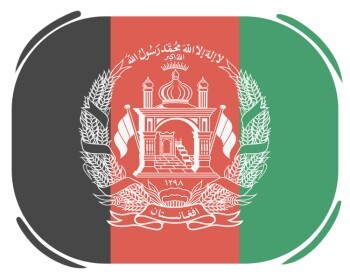
a country in Central Asia between Iran and Pakistan
Afghanistan
Notre professeur vient d'Afghanistan et parle dari.
a person from Afghanistan or of Afghan descent
Afghan, Afghane
Il a rencontré de nombreux Afghans dans le camp de réfugiés, chacun avec des histoires uniques à partager.
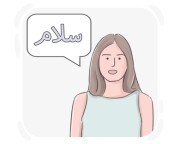
one of the Afghanistan's official languages, which is also the second most-used language in Pakistan
pachto
Elle enseignait le pachto aux réfugiés qui venaient d'arriver dans le pays.
a dialect of the Persian language that is primarily spoken in Afghanistan
le dari, le persan afghan
Il a appris le dari pour communiquer avec ses collègues à Kaboul.
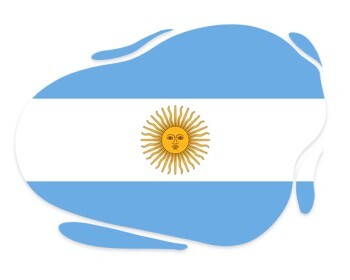
a country in southern South America, bordered by Chile, Bolivia, Paraguay, Brazil, Uruguay, and the South Atlantic Ocean
Argentine
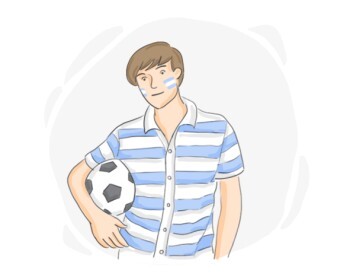
relating to Argentina or its people
argentin
Elle a apprécié la performance de tango argentin au théâtre.
relating to the country, people, culture, or language of Argentina
argentin, argentine
Il a apprécié goûter des plats traditionnels argentins, tels que l'asado et le dulce de leche, lors de sa visite dans le pays.
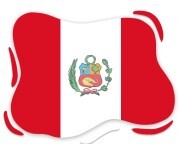
a country in western South America
Pérou, le Pérou
Elle rêvait de voyager au Pérou pour voir les lignes de Nazca.
referring to anything or anyone that is related to or originates from Peru
péruvien
Il a acheté une magnifique couverture péruvienne en souvenir de son voyage.
a language spoken by the Aymara people, primarily in the Andes region of South America, particularly in Bolivia, Peru, and Chile
Aymara est l'une des langues officielles de la Bolivie., L'aymara est une langue parlée par le peuple Aymara
Elle apprend l'aymara pour se connecter plus profondément à son héritage.

a family of indigenous languages spoken primarily in the Andes region of South America, especially in Peru, Ecuador, Bolivia, and Colombia, and the language of the ancient Inca Empire
quechua
Il existe divers dialectes du quechua, parlés dans différentes régions à travers l'Amérique du Sud.
to continuously expose someone to something, such as information, questions, or criticisms
bombarder
L'animateur de l'émission de télévision a bombardé l'invité de questions difficiles et provocantes.
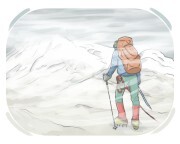
to undertake a risky or daring journey or course of action
s'aventurer

to precisely locate or identify something or someone
localiser avec précision, identifier précisément
Ils ont récemment localisé avec précision la source de l'odeur mystérieuse dans le bâtiment.
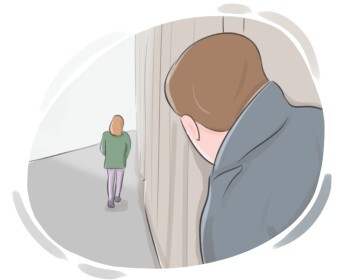
to follow, watch, or pursue someone persistently and often secretly, causing them fear or discomfort
poursuivre, harceler
La célébrité est devenue de plus en plus inquiète alors qu'un paparazzi semblait les harceler où qu'ils aillent.
to reject or disown something previously accepted or claimed, often in a formal or public manner
renier
Après mûre réflexion, il a choisi de renoncer à ses erreurs passées et de recommencer à zéro.

a person's family and relatives
famille, proches
Ses parents vivent à la campagne, loin de la ville.
a right or arrangement allowing someone to sell goods or operate a business in a particular place
concession
a strategic action or remark that is used to gain an advantage, particularly in the early stages of a situation, game, conversation, etc.
gambit
Son gambit intelligent dans la conversation a déplacé l'attention sur ses points clés.
a sudden, intense, and pleasurable feeling of excitement, shiver, fear, or thrill, often accompanied by a tingling sensation on the skin
frisson, sensation forte
Un frisson de peur lui parcourut l'échine dans la maison hantée.
the height of a person or animal when standing upright
stature, taille
Sa taille plus grande lui a donné un avantage au basketball.
a familiar place or location, particularly one where someone often goes to or spends time in
terrain familier, coin habituel
Il nous a fait visiter les coins familiers de son enfance.

in a way that has no errors or mistakes
précisément, avec précision
L'enquête a été menée avec précision pour recueillir des données fiables.
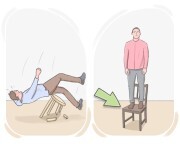
in a tough, solid, and durable way
solidement, robustement
Ces conteneurs sont solidement scellés pour éviter les fuites.
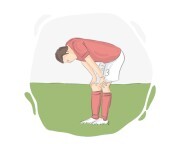
worn out or tired, especially after excessive work or activity
épuisé, lassé
La pression constante de son travail l'a laissé émotionnellement blasé.
gradually and subtly intruding upon or taking over something else, often to the point of causing harm or damage
envahissant, empiétant
Ils étaient préoccupés par l'influence envahissante de la technologie sur leur vie quotidienne.
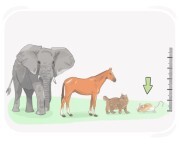
much smaller than what is normal
minuscule, tout petit
Elle portait un pendentif minuscule autour de son cou, un souvenir précieux de sa grand-mère.
