

pattern

책 Headway - 고급 - 유닛 5

여기에서는 Headway Advanced 교과서의 5과에서 "고정관념", "견고하게", "양보" 등의 어휘를 찾을 수 있습니다.
리뷰

플래시카드

철자법

퀴즈

학습 시작
Headway - Advanced
nationality
nationality
[명사]

the state of legally belonging to a country

국적

국적

Ex: Her nationality is French, but she has lived in Canada for many years. 
닫기
로그인
stereotype
stereotype
[명사]

a widely held but fixed and oversimplified image or idea of a particular type of person or thing

고정관념

고정관념

Ex: The movie relied on a stereotype of teenagers that wasn't true to life. 
닫기
로그인
Britain
Britain
[명사]

the island containing England, Scotland, and Wales

영국, 그레이트브리튼

영국, 그레이트브리튼

Ex: Britain is known for its rich history and cultural heritage. 
닫기
로그인
British
British
[명사]

a person from the United Kingdom

영국인, 브리튼 사람

영국인, 브리튼 사람

Ex: The British are known for their love of tea. 
닫기
로그인
Briton
Briton
[명사]

a person who is of British nationality, descent, or origin

영국인, 브리튼인

영국인, 브리튼인

Ex: The Briton proudly celebrated the Queen's birthday. 
닫기
로그인
Brit
Brit
[명사]

someone from Britain, typically of British nationality or origin

영국인, 브리튼 사람

영국인, 브리튼 사람

Ex: The bar was filled with Brits cheering for their football team. 
닫기
로그인
English
English
[명사]

the most common language in the world, originating in England but also the official language of America, Canada, Australia, etc.

영어

영어

Ex: John took extra English classes to prepare for his TOEFL exam. 
닫기
로그인
Welsh
Welsh
[명사]

a person from Wales or someone of Welsh descent

웨일스 사람, 웨일스 여성

웨일스 사람, 웨일스 여성

Ex: A Welsh guided us through the historic town. 
닫기
로그인
Gaelic
Gaelic
[명사]

any of the Celtic languages spoken in Ireland, Scotland, or the Isle of Man

게일어, 게일어 언어

게일어, 게일어 언어

Ex: The road signs in Scotland often include both English and Gaelic translations. 
닫기
로그인
Scotland
Scotland
[명사]

a European country in the northern United Kingdom

스코틀랜드, 스코틀랜드 국가

스코틀랜드, 스코틀랜드 국가

Ex: Scotland is known for its breathtaking landscapes, including the Highlands and numerous lochs. 
닫기
로그인
Scottish
Scottish
[형용사]

belonging or relating to Scotland, its people, or the Gaelic language

스코틀랜드의, 스코틀랜드와 관련된

스코틀랜드의, 스코틀랜드와 관련된

Ex: She enjoys listening to traditional Scottish music. 
닫기
로그인
Scot
Scot
[명사]

someone who is from Scotland

스코틀랜드 사람, 스코틀랜드 출신의 사람

스코틀랜드 사람, 스코틀랜드 출신의 사람

Ex: The Scot proudly wore a kilt to the traditional festival. 
닫기
로그인
Scottish
Scottish
[명사]

a variety of English language spoken in Scotland

스코틀랜드어, 스코틀랜드 영어

스코틀랜드어, 스코틀랜드 영어

Ex: His Scottish was so strong that I had to ask him to repeat himself. 
닫기
로그인
Scottish Gaelic

a Celtic language spoken in Scotland, primarily in the Scottish Highlands

스코틀랜드 게일어, 게일어 스코틀랜드

스코틀랜드 게일어, 게일어 스코틀랜드

Ex: She is learning Scottish Gaelic to preserve her family’s cultural heritage. 
닫기
로그인
Switzerland
Switzerland
[명사]

a country in Western Central Europe, south of Germany

스위스

스위스

Ex: Geneva, located in Switzerland, is home to many international organizations. 
닫기
로그인
Swiss
Swiss
[명사]

a person from Switzerland or an inhabitant of Switzerland

스위스 사람, 스위스 주민

스위스 사람, 스위스 주민

Ex: A friendly Swiss helped us navigate the train system in Zurich. 
닫기
로그인
French
French
[명사]

the main language of France that is also spoken in parts of other countries such as Canada, Switzerland, Belgium, etc.

프랑스어, 프랑스 언어

프랑스어, 프랑스 언어

Ex: He decided to learn French to understand French films without subtitles. 
닫기
로그인
German
German
[명사]

the main language in Germany, Austria and parts of Switzerland

독일어

독일어

Ex: After three years of hard work, she has become fluent in German. 
닫기
로그인
Romansh
Romansh
[명사]

one of the four official languages of Switzerland, along with German, French, and Italian

로만슈어

로만슈어

Ex: She took a course to learn Romansh during her visit to Switzerland. 
닫기
로그인
the Netherlands

a country in the North Western Europe, informally known as Holland

네덜란드

네덜란드

Ex: Cycling is a popular mode of transport in the Netherlands. 
닫기
로그인
Dutch
Dutch
[명사]

the main language in the Netherlands

네덜란드어

네덜란드어

Ex: He can speak Dutch fluently after living in the Netherlands for five years. 
닫기
로그인
Dutch
Dutch
[명사]

a person from the Netherlands or of Dutch descent

네덜란드 사람, 화란 사람

네덜란드 사람, 화란 사람

Ex: The Dutch are known for their tulips, windmills, and cycling culture. 
닫기
로그인
Dutchman
Dutchman
[명사]

an individual who is from the Netherlands or of Dutch nationality or descent

네덜란드 사람, 네덜란드 남자

네덜란드 사람, 네덜란드 남자

Ex: The Dutchman shared stories about growing up in a small village in the Netherlands. 
닫기
로그인
Dutch
Dutch
[형용사]

belonging or relating to the Netherlands, its people, and language

네덜란드의, 네덜란드 사람의

네덜란드의, 네덜란드 사람의

Ex: Dutch architecture is unique and striking. 
닫기
로그인
Belgium
Belgium
[명사]

a country in Western Europe bordered by Germany, France, and Luxembourg

벨기에

벨기에

Ex: Belgium is famous for its delicious chocolate and a wide variety of tasty beers. 
닫기
로그인
Belgian
Belgian
[형용사]

referring to something or someone from or related to Belgium

벨기에의

벨기에의

Ex: The Belgian waffles we had for breakfast were delicious. 
닫기
로그인
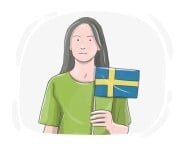
Sweden
Sweden
[명사]

a country in Northern Europe and Eastern Scandinavia

스웨덴

스웨덴

Ex: I visited Sweden last summer and loved it. 
닫기
로그인
Swedish
Swedish
[형용사]

belonging or relating to Sweden, its people, and language

스웨덴의

스웨덴의

Ex: ABBA is a famous Swedish pop band. 
닫기
로그인
Swede
Swede
[명사]

someone who is from Sweden or of Swedish origin

스웨덴 사람, 스웨덴 출신

스웨덴 사람, 스웨덴 출신

Ex: The Swede shared stories about her snowy hometown in northern Sweden. 
닫기
로그인
Swedish
Swedish
[명사]

a North Germanic language spoken primarily in Sweden

스웨덴어

스웨덴어

Ex: She took a class to learn Swedish before moving to Stockholm. 
닫기
로그인
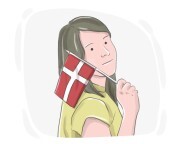
Denmark
Denmark
[명사]

a country in Northern Europe in the Scandinavia

덴마크

덴마크

Ex: Denmark is famous for its Viking history and ancient ruins. 
닫기
로그인
Danish
Danish
[명사]

the official language of Denmark, spoken by the majority of the population

덴마크어

덴마크어

Ex: Danish is a challenging language to learn for non-native speakers. 
닫기
로그인
Dane
Dane
[명사]

someone from Denmark or of Danish descent

덴마크 사람, 덴마크 혈통

덴마크 사람, 덴마크 혈통

Ex: The Dane was proud to share stories of his country's history. 
닫기
로그인
Danish
Danish
[형용사]

belonging or relating to Denmark, its people, and language

덴마크의

덴마크의

Ex: The Danish design is celebrated worldwide for its simplicity and functionality. 
닫기
로그인
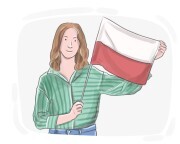
Poland
Poland
[명사]

a country in the Central Europe near the Baltic Sea

폴란드

폴란드

Ex: I didn't know that Poland joined the European Union in 2004. 
닫기
로그인
Polish
Polish
[명사]

Poland's official language

폴란드어

폴란드어

Ex: She is learning Polish to communicate better with her relatives in Warsaw. 
닫기
로그인
Pole
Pole
[명사]

someone who is from Poland or their family came from Poland

폴란드 사람, 폴란드 출신의 사람

폴란드 사람, 폴란드 출신의 사람

Ex: As a proud Pole, she often shares stories about her family's traditions and heritage during holidays. 
닫기
로그인
polish
polish
[형용사]

referring to something that is related to Poland, its people, language, culture, or products

폴란드의, 폴란드 관련의

폴란드의, 폴란드 관련의

Ex: I'm learning Polish cuisine from my grandmother. 
닫기
로그인
Finland
Finland
[명사]

a country in Northern Europe bordered by Norway, Sweden, and Russia

핀란드

핀란드

Ex: Finland is famous for its stunning Northern Lights during the winter. 
닫기
로그인
Finnish
Finnish
[명사]

one of Finland's official languages

핀란드어, 핀란드의 공식 언어 중 하나

핀란드어, 핀란드의 공식 언어 중 하나

Ex: She took a course to learn Finnish before moving to Helsinki. 
닫기
로그인
Finn
Finn
[명사]

a person from Finland or of Finnish descent

핀란드인, 핀란드 혈통의 사람

핀란드인, 핀란드 혈통의 사람

닫기
로그인
Finnish
Finnish
[형용사]

referring to something or someone related to Finland

핀란드의

핀란드의

Ex: He admired the Finnish education system and its emphasis on student well-being. 
닫기
로그인
Iceland
Iceland
[명사]

an island country in the North Atlantic, known for its dramatic volcanic landscapes, glaciers, and geothermal activity

아이슬란드

아이슬란드

Ex: Iceland is famous for its stunning geysers and hot springs. 
닫기
로그인
Icelander
Icelander
[명사]

a person from Iceland, a Nordic island country in the North Atlantic Ocean

아이슬란드 사람

아이슬란드 사람

Ex: As an Icelander, she takes great pride in the country’s rich history and traditions. 
닫기
로그인
Icelandic
Icelandic
[형용사]

referring to something or someone from or related to Iceland

아이슬란드의

아이슬란드의

Ex: The Icelandic landscape is characterized by dramatic volcanic features. 
닫기
로그인
Spain
Spain
[명사]

a country in southwest Europe

스페인, 스페인 국가

스페인, 스페인 국가

Ex: Barcelona, located in Spain, is famous for its unique architecture. 
닫기
로그인
Spanish
Spanish
[명사]

the main language of Spain and many Southern or Central American countries

스페인어, 카스티야어

스페인어, 카스티야어

Ex: Learning Spanish is helpful for travelling in Central and South America. 
닫기
로그인
Spanish
Spanish
[형용사]

relating to Spain or its people or language

스페인의

스페인의

Ex: Flamenco is a traditional Spanish dance that is known for its expressive movements. 
닫기
로그인
Turkey
Turkey
[명사]

a country that is mainly in Western Asia with a small part in Southeast Europe

터키, 터키 공화국

터키, 터키 공화국

Ex: Many people visit Turkey for its beautiful Mediterranean beaches. 
닫기
로그인
Turkish
Turkish
[형용사]

relating to the country, people, culture, or language of Turkey

터키의

터키의

Ex: He watched a Turkish film without subtitles to improve his language skills. 
닫기
로그인
Turkish
Turkish
[명사]

the main language of Turkey

터키어, 터키 언어

터키어, 터키 언어

Ex: He has been learning Turkish to prepare for his trip to Istanbul. 
닫기
로그인
Turk
Turk
[명사]

someone who is from Turkey or their family came from Turkey

터키인, 터키에서 온 사람

터키인, 터키에서 온 사람

Ex: The Turk culture is rich in history, with traditions that date back thousands of years. 
닫기
로그인
New Zealand
New Zealand
[명사]

a sovereign island country located in the southwestern Pacific Ocean, known for its stunning landscapes and diverse Maori and European cultures

뉴질랜드, 뉴질랜드

뉴질랜드, 뉴질랜드

Ex: The capital of New Zealand is Wellington, located on the North Island. 
닫기
로그인
New Zealander
New Zealander
[형용사]

referring to something or someone that is of or related to New Zealand

뉴질랜드의, 뉴질랜드와 관련된

뉴질랜드의, 뉴질랜드와 관련된

Ex: The New Zealander rugby team is known for its strong international presence. 
닫기
로그인
Maori
Maori
[명사]

an eastern Polynesian language spoken by the Maori people of New Zealand

마오리어, 마오리 언어

마오리어, 마오리 언어

Ex: Maori is taught in schools throughout New Zealand to help preserve the language. 
닫기
로그인
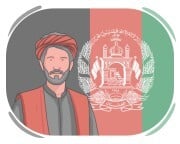
Afghanistan
Afghanistan
[명사]

a country in Central Asia between Iran and Pakistan

아프가니스탄, 아프가니스탄

아프가니스탄, 아프가니스탄

Ex: He is working on a development project in Afghanistan. 
닫기
로그인
Afghanistani
Afghanistani
[명사]

a person from Afghanistan or of Afghan descent

아프간인, 아프가니스탄인

아프간인, 아프가니스탄인

Ex: As an Afghanistani, she felt a deep connection to her ancestral land despite living abroad. 
닫기
로그인
Afghan
Afghan
[명사]

someone who is a native or citizen of Afghanistan

아프간인, 아프가니스탄 국민

아프간인, 아프가니스탄 국민

닫기
로그인
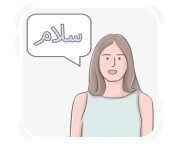
Pashto
Pashto
[명사]

one of the Afghanistan's official languages, which is also the second most-used language in Pakistan

파슈토어, 파슈툰어

파슈토어, 파슈툰어

Ex: He is fluent in Pashto and often translates for his community. 
닫기
로그인
Dari
Dari
[명사]

a dialect of the Persian language that is primarily spoken in Afghanistan

다리어, 아프간 페르시아어

다리어, 아프간 페르시아어

Ex: Dari is spoken by millions of people in Afghanistan, especially in the central and northern regions. 
닫기
로그인
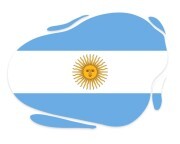
Argentina
Argentina
[명사]

a country that is in the southern part of South America

아르헨티나

아르헨티나

Ex: Argentina is renowned for its stunning landscapes, from the Andes mountains to the beautiful beaches along the Atlantic coast. 
닫기
로그인
Argentine
Argentine
[형용사]

relating to Argentina or its people

아르헨티나의

아르헨티나의

Ex: The Argentine soccer team won the World Cup in 2022. 
닫기
로그인
Argentinian
Argentinian
[형용사]

relating to the country, people, culture, or language of Argentina

아르헨티나의

아르헨티나의

Ex: The Argentinian culture is famous for its tango music and dance, which originated in the streets of Buenos Aires. 
닫기
로그인
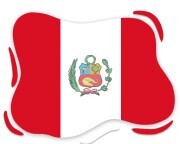
Peru
Peru
[명사]

a country in western South America

페루, 페루 국가

페루, 페루 국가

Ex: He spent his vacation exploring the Amazon rainforest in Peru. 
닫기
로그인
Peruvian
Peruvian
[형용사]

referring to anything or anyone that is related to or originates from Peru

페루의

페루의

Ex: The Peruvian coast is famous for its seafood dishes, especially ceviche. 
닫기
로그인
Aymara
Aymara
[명사]

a language spoken by the Aymara people, primarily in the Andes region of South America, particularly in Bolivia, Peru, and Chile

아이마라어는 볼리비아의 공용어 중 하나입니다., 아이마라어는 주로 남아메리카의 안데스 지역

아이마라어는 볼리비아의 공용어 중 하나입니다., 아이마라어는 주로 남아메리카의 안데스 지역

Ex: Aymara is one of the official languages of Bolivia. 
닫기
로그인
Quechua
Quechua
[명사]

a family of indigenous languages spoken primarily in the Andes region of South America, especially in Peru, Ecuador, Bolivia, and Colombia, and the language of the ancient Inca Empire

케추아어, 케추아

케추아어, 케추아

Ex: Quechua is one of the official languages of Peru alongside Spanish. 
닫기
로그인
to bombard
to bombard
[동사]

to continuously expose someone to something, such as information, questions, or criticisms

폭격하다, 쏟아붓다

폭격하다, 쏟아붓다

Ex: He bombarded his friends with text messages about his new project. 
닫기
로그인
to venture
to venture
[동사]

to undertake a risky or daring journey or course of action

모험하다, 감히 시도하다

모험하다, 감히 시도하다

Ex: It took courage for the astronauts to venture into outer space where one small error could prove fatal. 
닫기
로그인
to pinpoint
to pinpoint
[동사]

to precisely locate or identify something or someone

정확히 위치를 파악하다, 정밀하게 식별하다

정확히 위치를 파악하다, 정밀하게 식별하다

Ex: Using advanced technology, scientists were able to pinpoint the epicenter of the earthquake within a matter of seconds. 
닫기
로그인
to stalk
to stalk
[동사]

to follow, watch, or pursue someone persistently and often secretly, causing them fear or discomfort

스토킹하다, 미행하다

스토킹하다, 미행하다

Ex: Unbeknownst to her, a mysterious figure began to stalk Mary on her way home from work. 
닫기
로그인
to renounce
to renounce
[동사]

to reject or disown something previously accepted or claimed, often in a formal or public manner

포기하다, 버리다

포기하다, 버리다

Ex: He decided to renounce his title in order to live a simpler life. 
닫기
로그인
kin
kin
[명사]

a person's family and relatives

친척, 가족

친척, 가족

Ex: She was surrounded by her kin at the family reunion. 
닫기
로그인
concession
concession
[명사]

a contractual agreement that grants a company or individual the right to operate a subsidiary business, such as a store or a kiosk, within the premises of another business or organization

특허권, 특허권 계약

특허권, 특허권 계약

Ex: The airport granted a concession to a coffee chain to open a kiosk in the terminal. 
닫기
로그인
gambit
gambit
[명사]

a strategic action or remark that is used to gain an advantage, particularly in the early stages of a situation, game, conversation, etc.

감빗, 전략적 행동

감빗, 전략적 행동

Ex: His opening gambit in the negotiation set the tone for a successful deal. 
닫기
로그인
frisson
frisson
[명사]

a sudden, intense, and pleasurable feeling of excitement, shiver, fear, or thrill, often accompanied by a tingling sensation on the skin

전율, 강한 흥분

전율, 강한 흥분

Ex: She felt a frisson of excitement as the concert began. 
닫기
로그인
stature
stature
[명사]

the height of a person or animal when standing upright

키, 신장

키, 신장

Ex: She was of small stature but possessed a strong, confident presence. 
닫기
로그인
(stomping|stamping) ground

a familiar place or location, particularly one where someone often goes to or spends time in

자주 가는 익숙한 곳, 단골 장소

자주 가는 익숙한 곳, 단골 장소

Ex: The local park became his stomping ground, where he would jog every morning and meet his friends for picnics. 
닫기
로그인
accurately
accurately
[부사]

in a way that has no errors or mistakes

정확하게, 오류 없이

정확하게, 오류 없이

Ex: The scientist measured the temperature accurately using calibrated instruments. 
닫기
로그인
robustly
robustly
[부사]

in a tough, solid, and durable way

튼튼하게, 견고하게

튼튼하게, 견고하게

Ex: The shelter was robustly built to withstand storms. 
닫기
로그인
jaded
jaded
[형용사]

worn out or tired, especially after excessive work or activity

지친, 피곤한

지친, 피곤한

Ex: After working long hours for weeks, she felt jaded and needed a break. 
닫기
로그인
encroaching
encroaching
[형용사]

gradually and subtly intruding upon or taking over something else, often to the point of causing harm or damage

침해하는, 서서히 침범하는

침해하는, 서서히 침범하는

Ex: The encroaching forest was slowly overtaking the farmland. 
닫기
로그인
diminutive
diminutive
[형용사]

much smaller than what is normal

아주 작은, 조그마한

아주 작은, 조그마한

Ex: The diminutive kitten curled up in the corner, its tiny frame emitting soft purrs. 
닫기
로그인
LanGeek
LanGeek 앱 다운로드