
Umanistiche ACT - Storia e Archeologia
Impara il vocabolario ACT di scienze umane per storia e archeologia, inclusi periodi storici, civiltà, manufatti, scoperte, prove e lo studio delle società passate.
Revisione
Flashcard
Ortografia
Quiz

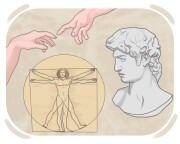
the period between the 14th and 16th centuries in Europe, marked by a rise of interest in Greek and Roman cultures, which is dominant in the art, philosophy, etc. of the times

Rinascimentale
Firenze è spesso considerata la culla del Rinascimento grazie al suo fiorente ambiente culturale e artistico.

an ancient region located in the eastern Mediterranean, primarily within modern-day Iraq, and parts of Iran, Syria, and Turkey
Mesopotamia
Le antiche culture della Mesopotamia, come i Sumeri e i Babilonesi, hanno dato contributi significativi alla storia umana.
a small, flat piece of clay that has been molded and hardened, typically used as a medium for writing or inscribing information in ancient civilizations
tavoletta di argilla, tavola di argilla
La tavoletta di argilla trovata tra le rovine del tempio conteneva istruzioni per i rituali e le offerte da eseguire dai sacerdoti.
a person who writes copies of documents by hand
scriba, copista
Prima dell'invenzione della stampa, gli scribi svolgevano un ruolo cruciale nella diffusione della conoscenza copiando i libri a mano.
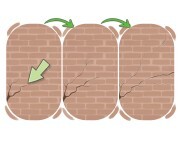
to exist or occur at an earlier time than something else
precedere, antidatare
Le prime forme di valuta precedono i moderni sistemi monetari.
related to or inherited from one's ancestors
ancestrale, ereditario
Gli anziani della tribù hanno condiviso storie dei loro eroi antenati e leggende.
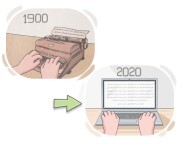
belonging to the current era
contemporaneo
an underground burial place with tunnels and chambers for tombs or graves
catacomba
Le catacombe fornivano un luogo di riposo tranquillo per i defunti lontano dalla superficie.
a system of writing used in ancient Egypt, consisting of pictorial symbols or characters that represent objects, ideas, or sounds, and were commonly used for inscriptions on temple walls, tombs, and other monumental structures
geroglifico, carattere geroglifico
the study of family lineages and the history of descent
genealogia
Lo studio della genealogia fornisce un modo per esplorare le proprie radici e comprendere il contesto culturale e storico in cui vivevano i nostri antenati.
the historical period before the Middle Ages, especially before the sixth century when Greeks and Romans were the most prosperous
antichità
Il declino dell'Impero Romano segnò la fine dell'antichità e l'inizio del Medioevo, mentre l'Europa entrava in un periodo di frammentazione politica e cambiamento culturale.
a period of time in history or someone's life, during which significant events happen
epoca
Il movimento per i diritti civili è stato un'epoca di profondo cambiamento sociale e progresso negli Stati Uniti.
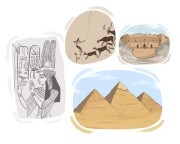
related or belonging to a period of history that is long gone
antico
an old building, structure, or site preserved or valued for its historical importance
monumento
an object or part of an object surviving from the past, typically with historical or emotional value, often linked to a person, event, or era
reliquia, reperto
Il guanto da baseball logoro, una reliquia della mia gioventù, riporta alla mente i ricordi dei giochi estivi con i miei amici.
to preserve a dead body by treating it with chemicals or natural substances to prevent decay
mummificare, imbalsamare
Mummificare un corpo richiedeva una preparazione accurata e una conoscenza specialistica dell'anatomia.
relating to the period of time before the widespread adoption of industrial processes and technologies
pre-industriale, prima dell'era industriale
Il trasporto pre-industriale si basava pesantemente sulla forza animale, sui carri e sulle barche per i viaggi e il commercio a lunga distanza.
the origin or source of a particular thing
provenienza, origine
Gli storici studiano la provenienza dei manoscritti per comprenderne il significato storico.
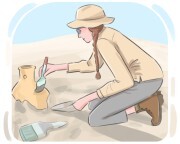
a person whose job is to study ancient societies using facts, objects, buildings, etc. remaining in excavation sites
archeologo
a method used by scientists to determine the age of organic materials by measuring the amount of carbon-14 they contain
datazione al radiocarbonio, datazione al carbonio-14
I progressi nella datazione al radiocarbonio hanno rivoluzionato lo studio delle culture preistoriche e della storia ambientale.
a prehistoric period characterized by the development of the first stone tools, spanning from about 2.5 million years ago to around 10,000 years ago
paleolitico, età della pietra antica
L'era paleolitica è nota per l'emergere delle prime società umane e il loro uso di semplici strumenti in pietra.
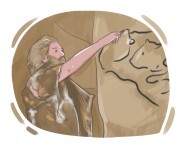
relating or belonging to the time before history was recorded
preistorico
I ricercatori utilizzano la datazione al carbonio per determinare l'età dei manufatti preistorici.
to uncover or expose by digging, especially to reveal buried artifacts, structures, or remains
scavare, dissotterrare
I paleontologi hanno scavato un fossile di dinosauro, rimuovendo con cura gli strati di sedimenti per rivelare lo scheletro.
a man-made object, tool, weapon, etc. that was created in the past and holds historical or cultural significance
artefatto
Questo manufatto, una statua splendidamente scolpita, è stato un ritrovamento significativo che ha aiutato a datare il sito storico.

a person who advocates or works to protect and maintain natural, historical, or cultural resources from decay, destruction, or neglect
conservazionista, preservazionista
Il preservazionista ha fatto campagna per salvare l'edificio storico dalla demolizione.
a scientist who studies fossils and ancient life forms to understand the history of life on earth
paleontologo
La mostra del museo presentava i ritrovamenti del lavoro sul campo di rinomati paleontologi.
a specialist who studies and develops systems for secure communication and information protection
criptografo, specialista in crittografia
Il governo ha assunto criptografi per decodificare i messaggi intercettati durante la guerra.
a scientist who studies ancient life forms, their evolution, behaviors, habitats, and interactions with the environment through the analysis of fossils and other remnants of past life
paleobiologo, scienziato che studia le forme di vita antiche
Il paleobiologo ha scavato fossili dall'antico letto del fiume per studiare l'evoluzione dei primi anfibi.
a scholar or researcher who specializes in the study of the Middle Ages
medievista, specialista del Medioevo
L'esperienza del medievista in diritto medievale ha fornito preziose intuizioni sulle pratiche legali durante il Medioevo.
