
Scienze ACT - Biochimica e struttura cellulare
Impara il vocabolario di scienze ACT per biochimica e struttura cellulare, incluse proteine, enzimi, membrane, organuli, metabolismo e processi cellulari.
Revisione
Flashcard
Ortografia
Quiz

a substance found in the cell walls of plants, providing structure and making up dietary fiber

cellulosa, fibra alimentare
Il materiale di imballaggio ecologico è realizzato con fibre di cellulosa riciclata.
a natural sugar found in fruits and honey, often used to sweeten foods and drinks
fruttosio, levulosio
Troppo fruttosio nei cibi processati può avere effetti sulla salute.
a basic kind of sugar that is a component of carbohydrates and provides energy for many living organisms
glucosio
a short chain of amino acids linked together, which can function as a building block for proteins or act as a signaling molecule in the body
peptide, catena corta di aminoacidi
I ricercatori stanno esplorando i vaccini a base di peptidi come un approccio promettente per combattere le malattie infettive.
a type of pigment found in plants, algae, and some bacteria, responsible for bright red, yellow, and orange colors and important for photosynthesis and antioxidant activity
carotenoide, pigmento carotenoide
Gli scienziati studiano i carotenoidi per comprenderne il ruolo nella nutrizione umana e nella prevenzione delle malattie.
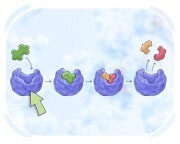
a substance that all living organisms produce that brings about a chemical reaction without being altered itself
enzima
the entire set of proteins expressed by a cell, tissue, or organism at a specific time under defined conditions
proteoma, intero set di proteine
L'analisi del proteoma fornisce approfondimenti sulle funzioni cellulari, le vie di segnalazione e le interazioni tra proteine.
a molecule that forms the basic building block of DNA and RNA, consisting of a sugar, a phosphate group, and a nitrogenous base
nucleotide
Le mutazioni possono verificarsi quando viene alterata la sequenza di nucleotidi nel DNA.
a simple sugar molecule, the most basic form of carbohydrates that cannot be further hydrolyzed
monosaccaride
Il monosaccaride, come il glucosio, è uno zucchero di base nei carboidrati.
a fundamental compound derived from glutamic acid, integral to biological functions and known for its role as a neurotransmitter in the central nervous system
glutammato, un composto fondamentale derivato dall'acido glutammico
I ricercatori studiano il ruolo del glutammato nella salute e nella malattia, incluso il suo impatto su condizioni neurologiche come il morbo di Alzheimer.
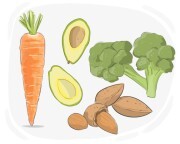
a substance, such as vitamin E, that helps clean the body of harmful substances
antiossidante
I mirtilli erano ricchi di antiossidanti, che aiutavano a proteggere il corpo dai radicali liberi.
any of a class of organic substances that do not dissolve in water that include many natural oils, waxes, and steroids
lipidico
relating to or characteristic of mitochondria, which are organelles found in cells responsible for energy production
mitocondriale, mitocondrico
La biogenesi mitocondriale si riferisce al processo di creazione di nuovi mitocondri all'interno delle cellule per soddisfare le richieste energetiche.
the gel-like, semifluid substance within a cell that surrounds the organelles, providing a medium for cellular activities, including metabolism, transport of substances, and support for cellular structures
citoplasma, sostanza citoplasmatica
Molti enzimi responsabili delle reazioni metaboliche sono presenti nel citoplasma.
a green pigment found in all green plants and cyanobacteria that is responsible for the absorption of the sunlight needed for the photosynthesis process
clorofilla
Le alghe e i cianobatteri contengono anche clorofilla, permettendo loro di effettuare la fotosintesi ossigenica.
a thin sheet of tissue that separates or covers the inner parts of an organism
membrana
La barriera emato-encefalica è una membrana specializzata che protegge il cervello.
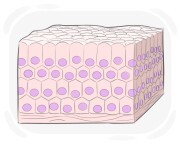
a group of cells in the body of living things, forming their different parts
tessuto
Il tessuto adiposo, comunemente noto come tessuto grasso, immagazzina energia e ammortizza gli organi del corpo.
a cellular organelle involved in the processing, packaging, and distribution of proteins and lipids within the cell, consisting of a stack of flattened membrane sacs called cisternae
Apparato del Golgi, Complesso del Golgi
L'apparato di Golgi è coinvolto nella formazione di vescicole che trasportano materiali all'interno della cellula o verso la membrana cellulare.
a tiny structure within cells that assembles proteins by reading the genetic instructions carried by messenger RNA
ribosoma
Il processo di traduzione, in cui le istruzioni genetiche nell'mRNA vengono convertite in proteine, avviene sui ribosomi.
a small, enzyme-filled sac in a cell that breaks down waste materials and unwanted substances
lisosoma, vescicola enzimatica
Durante l'apoptosi (morte cellulare programmata), i lisosomi rilasciano enzimi che contribuiscono alla degradazione dei componenti cellulari.
a cell organelle in plants, fungi, and some protists that stores nutrients, manages waste, and helps maintain cell pressure
vacuolo, vescicola
Le dimensioni e il contenuto dei vacuoli possono cambiare dinamicamente in risposta alle esigenze cellulari e alle condizioni ambientali.
(biology) the part of a cell that contains most of the genetic information
nucleo
Le mutazioni nei geni all'interno del nucleo possono portare a disturbi genetici e malattie, influenzando la normale funzione delle cellule e dei tessuti.
a plant cell organelle that uses sunlight to produce energy and make glucose through photosynthesis
cloroplasto, organulo fotosintetico
Il DNA unico all'interno dei cloroplasti supporta l'idea che abbiano avuto origine da antichi batteri simbiotici che hanno formato una relazione reciprocamente vantaggiosa con gli antenati delle piante.
a network of protein fibers in a cell that gives it shape, supports its structure, and aids in movement
citoscheletro, scheletro cellulare
Il citoscheletro è cruciale per mantenere la polarità cellulare, garantendo un'organizzazione e una funzione adeguate.
a branch of biology concerning the scientific study of the form and structure of an organism including plants and animals
morfologia, studio scientifico della forma e della struttura degli organismi
a specialized, membrane-bound structure within a cell that performs specific functions, contributing to the cell's overall structure and function
organello, organulo
I vacuoli, organelli di stoccaggio, contengono nutrienti, prodotti di scarto o pigmenti nelle cellule vegetali.
a layer of actively dividing cells in plants, responsible for secondary growth by producing new xylem and phloem tissues
cambio, strato generativo
I botanici studiano lo sviluppo del cambio per capire come le piante si adattano ai cambiamenti climatici e alle condizioni ecologiche.
