

pattern

Természettudományok ACT - Biokémia és sejtszerkezet

Itt megtanulsz néhány angol szót, amelyek a biokémiához és a sejtszerkezethez kapcsolódnak, mint például a "mag", "lipid", "enzim" stb., amelyek segítenek majd a sikeres ACT-eredmény elérésében.

Áttekintés

Villámkártyák

Betűzés

Kvíz

Indítsa el a tanulást
ACT Vocabulary for Science
cellulose
cellulose
[Főnév]

a substance found in the cell walls of plants, providing structure and making up dietary fiber

cellulóz, étrendi rost

cellulóz, étrendi rost

Ex: Plants utilize cellulose as a structural component in their cell walls. 
fructose
fructose
[Főnév]

a natural sugar found in fruits and honey, often used to sweeten foods and drinks

fruktóz, gyümölcscukor

fruktóz, gyümölcscukor

Ex: Fruits contain fructose, contributing to their natural sweetness. 
glucose
glucose
[Főnév]

a basic kind of sugar that is a component of carbohydrates and provides energy for many living organisms

glükóz

glükóz

peptide
peptide
[Főnév]

a short chain of amino acids linked together, which can function as a building block for proteins or act as a signaling molecule in the body

peptid, aminosavak rövid lánca

peptid, aminosavak rövid lánca

Ex: Scientists synthesized a peptide to study its potential as a new therapeutic drug. 
carotenoid
carotenoid
[Főnév]

a type of pigment found in plants, algae, and some bacteria, responsible for bright red, yellow, and orange colors and important for photosynthesis and antioxidant activity

karotinoid, karotinoid pigment

karotinoid, karotinoid pigment

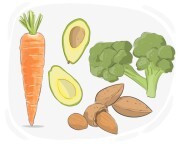
Ex: The vivid orange color of carrots is due to the high concentration of carotenoids in their tissues. 
enzyme
enzyme
[Főnév]

a substance that all living organisms produce that brings about a chemical reaction without being altered itself

enzim

enzim

Ex: Enzymes play a crucial role in digestion, breaking down food into smaller molecules that can be absorbed by the body. 
proteome
proteome
[Főnév]

the entire set of proteins expressed by a cell, tissue, or organism at a specific time under defined conditions

proteom, a fehérjék teljes halmaza

proteom, a fehérjék teljes halmaza

Ex: Scientists used mass spectrometry to analyze the proteome of cancer cells, identifying potential biomarkers for early detection. 
nucleotide
nucleotide
[Főnév]

a molecule that forms the basic building block of DNA and RNA, consisting of a sugar, a phosphate group, and a nitrogenous base

nukleotid

nukleotid

Ex: The sequence of nucleotides in DNA determines genetic information. 
monosaccharide

a simple sugar molecule, the most basic form of carbohydrates that cannot be further hydrolyzed

monoszacharid

monoszacharid

Ex: The body metabolizes carbohydrates into monosaccharides for energy. 
glutamate
glutamate
[Főnév]

a fundamental compound derived from glutamic acid, integral to biological functions and known for its role as a neurotransmitter in the central nervous system

glutamát, a glutaminsavból származó alapvető vegyület

glutamát, a glutaminsavból származó alapvető vegyület

Ex: Monosodium glutamate (MSG) is a popular food additive used to enhance the savory taste of dishes. 
antioxidant
antioxidant
[Főnév]

a substance, such as vitamin E, that helps clean the body of harmful substances

antioxidáns

antioxidáns

Ex: The blueberries were rich in antioxidants, which helped protect the body against free radicals. 
lipid
lipid
[Főnév]

any of a class of organic substances that do not dissolve in water that include many natural oils, waxes, and steroids

lipid, zsír

lipid, zsír

mitochondrial
mitochondrial
[melléknév]

relating to or characteristic of mitochondria, which are organelles found in cells responsible for energy production

mitokondriális,  a mitokondriumokra vonatkozó

mitokondriális, a mitokondriumokra vonatkozó

Ex: Mitochondrial diseases can result from mutations in genes within the mitochondrial DNA. 
cytoplasm
cytoplasm
[Főnév]

the gel-like, semifluid substance within a cell that surrounds the organelles, providing a medium for cellular activities, including metabolism, transport of substances, and support for cellular structures

citoplazma, citoplazmatikus anyag

citoplazma, citoplazmatikus anyag

Ex: Cytoplasm fills the interior of a cell, serving as a supportive medium for cellular structures and activities. 
chlorophyll
chlorophyll
[Főnév]

a green pigment found in all green plants and cyanobacteria that is responsible for the absorption of the sunlight needed for the photosynthesis process

klorofill, zöld pigment

klorofill, zöld pigment

Ex: Chlorophyll is responsible for the green color of plants, reflecting its role in photosynthesis. 
membrane
membrane
[Főnév]

a thin sheet of tissue that separates or covers the inner parts of an organism

membrán, hártya

membrán, hártya

Ex: The cell membrane protects the interior of the cell. 
tissue
tissue
[Főnév]

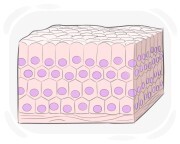
a group of cells in the body of living things, forming their different parts

szövet, sejtszövet

szövet, sejtszövet

Ex: Muscle tissue enables movement and supports the body's structure. 
Golgi apparatus

a cellular organelle involved in the processing, packaging, and distribution of proteins and lipids within the cell, consisting of a stack of flattened membrane sacs called cisternae

Golgi-készülék, Golgi-komplexum

Golgi-készülék, Golgi-komplexum

Ex: The Golgi apparatus modifies and packages proteins, ensuring they are properly shaped and functional. 
ribosome
ribosome
[Főnév]

a tiny structure within cells that assembles proteins by reading the genetic instructions carried by messenger RNA

riboszóma

riboszóma

Ex: Ribosomes are the cellular factories responsible for building proteins, essential for various biological functions. 
lysosome
lysosome
[Főnév]

a small, enzyme-filled sac in a cell that breaks down waste materials and unwanted substances

lizoszóma, enzimmel teli kis zsák

lizoszóma, enzimmel teli kis zsák

Ex: Lysosomes act as the "recycling centers" of cells, breaking down and digesting cellular waste materials. 
vacuole
vacuole
[Főnév]

a cell organelle in plants, fungi, and some protists that stores nutrients, manages waste, and helps maintain cell pressure

vakuólum, vezikulum

vakuólum, vezikulum

Ex: Vacuoles in plant cells may contain pigments, giving flowers and fruits their vibrant colors. 
nucleus
nucleus
[Főnév]

(biology) the part of a cell that contains most of the genetic information

sejtmag, nucleus

sejtmag, nucleus

Ex: The nucleus of a cell contains genetic material in the form of DNA, which regulates cellular activities. 
chloroplast
chloroplast
[Főnév]

a plant cell organelle that uses sunlight to produce energy and make glucose through photosynthesis

kloroplasztisz, fotoszintetikus sejtszervecske

kloroplasztisz, fotoszintetikus sejtszervecske

Ex: Chloroplasts are the green structures in plant cells where photosynthesis, the process of converting light into energy, takes place. 
cytoskeleton
cytoskeleton
[Főnév]

a network of protein fibers in a cell that gives it shape, supports its structure, and aids in movement

citoszkeleton, sejtváz

citoszkeleton, sejtváz

Ex: The cytoskeleton acts like a cell's internal scaffolding, maintaining its shape and structural integrity. 
morphology
morphology
[Főnév]

a branch of biology concerning the scientific study of the form and structure of an organism including plants and animals

morfológia, az organizmusok formájának és szerkezetének tudományos vizsgálata

morfológia, az organizmusok formájának és szerkezetének tudományos vizsgálata

intracellular
intracellular
[melléknév]

(biology) taking place inside one cell or more

intracelluláris

intracelluláris

organelle
organelle
[Főnév]

a specialized, membrane-bound structure within a cell that performs specific functions, contributing to the cell's overall structure and function

organellum, sejtszervecske

organellum, sejtszervecske

Ex: The nucleus, an organelle housing genetic material, regulates cell activities. 
cambium
cambium
[Főnév]

a layer of actively dividing cells in plants, responsible for secondary growth by producing new xylem and phloem tissues

kambium, osztódó szövet

kambium, osztódó szövet

Ex: The vascular cambium in trees adds layers of wood and bark each year, contributing to trunk growth. 
LanGeek
LanGeek alkalmazás letöltése