
Vocabolario Essenziale per il TOEFL - Spazio
Qui imparerai alcune parole inglesi sullo spazio, come "galassia", "solare", "cosmico", ecc., necessarie per l'esame TOEFL.
Revisione
Flashcard
Ortografia
Quiz
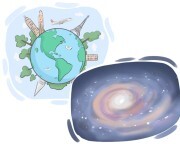
all existing matter, energy, space, stars, planets, galaxies, and everything else that physically exists

universo

the universe regarded as an ordered and unified whole
Cosmo

a large number of star systems bound together by gravitational force
galassia
Le osservazioni di galassie lontane aiutano gli astronomi a comprendere l'universo primordiale e i processi che hanno portato alla formazione delle galassie.
a branch of science that studies space, planets, etc.
Astronomia
L'università offre un corso di astronomia per gli studenti interessati all'esplorazione spaziale.
a pale band of light seen in the sky at night that contains the solar system and billions of other stars
Via Lattea
Le antiche culture osservavano la Via Lattea e la incorporavano nei loro miti e leggende.
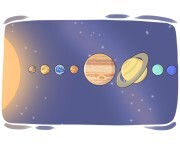
the sun and the group of planets orbiting around it, including the earth
sistema solare
Gli scienziati credono che il sistema solare si sia formato oltre 4,5 miliardi di anni fa.
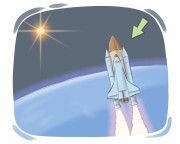
the earth's atmosphere and the space beyond it
aerospazio
I progressi nella tecnologia aerospaziale hanno portato a viaggi aerei più efficienti e sicuri in tutto il mondo.
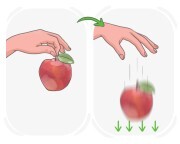
the force by which objects with mass attract one another, especially the force that draws objects toward the Earth
forza di gravità
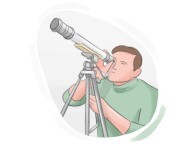
a scientist who studies or observes planets, stars, and other happenings in the universe
astronomo
I moderni astronomi utilizzano simulazioni al computer e modelli matematici per prevedere eventi e fenomeni celesti.
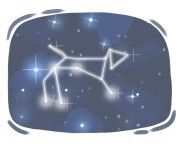
a specific group of stars that form a pattern and have a name related to their shape
costellazione
La costellazione Cassiopea forma una distinta forma a "W" nel cielo settentrionale.
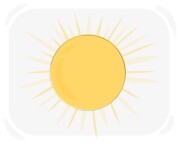
related to the sun
solare
I pannelli solari convertono la luce del sole in elettricità.

relating to the moon
lunare
I crateri lunari si formano per impatti di meteoriti sulla superficie della luna.
the explosion that, according to most scientists, caused the existence of the universe
big bang
Gli scienziati continuano a esplorare le implicazioni della teoria del Big Bang attraverso osservazioni astronomiche e fisica teorica.
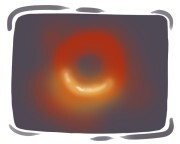
a place in the space with such high gravity that pulls in everything, even light
buco nero
Il confine che circonda un buco nero, oltre il quale nulla può sfuggire, è chiamato orizzonte degli eventi.
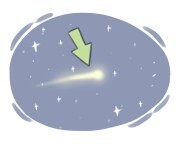
an object in space that is a mass of ice and dust and when it nears the sun it starts illuminating in the shape of a tail
cometa
L'apparizione di una cometa luminosa nel cielo notturno spesso attira l'attenzione di astronomi dilettanti e osservatori di stelle.
related to the universe and the vast space outside the earth
cosmico
La coscienza cosmica è un concetto filosofico che esplora la connessione dell'umanità con l'universo.
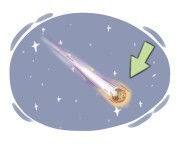
a piece of rock coming from outer space that passes through the Earth's atmosphere, producing light
meteora
Lo sciame di meteore delle Perseidi è uno dei più famosi sciami meteorici annuali, visibile ad agosto.
a piece of rock or metal from space that has hit the surface of the earth
meteorite
Lo studio delle meteoriti aiuta i ricercatori a comprendere i potenziali pericoli degli asteroidi e delle comete.
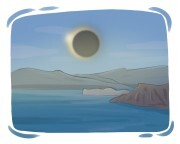
a period during which the sun or moon is temporarily obscured by the shadow of another celestial body
eclissi
Durante l'eclissi, il cielo si è oscurato anche a mezzogiorno.
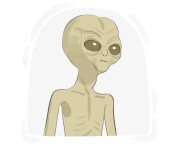
a creature believed or imagined to come from a planet other than Earth
alieno
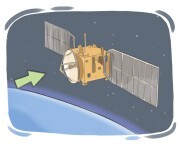
an artificial object sent into space to orbit Earth or another celestial body, usually to collect or transmit information
satellite
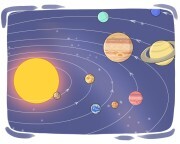
to move around a star, planet, or a large object in space
orbitare
a single complete circular movement around an axis or along an orbit
rotazione
Il modello mostra la rotazione dei pianeti nel sistema solare.
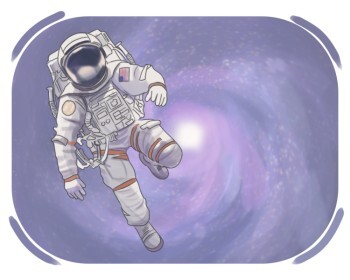
someone who is trained to travel and work in space
astronauta
Ha scritto un memoir che dettaglia le sue esperienze come astronauta, incluse le sue passeggiate spaziali e la ricerca scientifica.
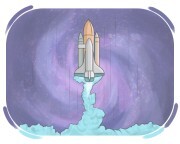
a vehicle designed to travel in space
spaziale
Dopo aver completato la sua missione, il veicolo spaziale è rientrato nell'atmosfera terrestre ed è tornato in sicurezza con campioni raccolti dallo spazio.
a propulsion device with its own fuel that produces thrust through reaction forces
razzo
I protocolli di sicurezza sono cruciali quando si maneggia un razzo.
an operation carried out in space
missione
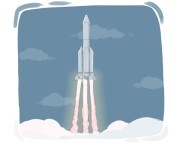
to send an object, such as a satellite, missile, etc., into space
lanciare
the act of counting numbers backwards to zero before the launch of a missile or spacecraft
conto alla rovescia
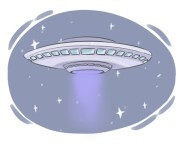
a mysterious object that some people claim to have seen flying around in the sky and assume that it is a spaceship from another world
ufo
I piloti hanno riferito di aver incontrato un oggetto volante non identificato che si muoveva ad alta velocità e cambiava direzione bruscamente.

a long journey taken on a ship or spacecraft
viaggio
Il documentario ha narrato il viaggio di un famoso esploratore e le scoperte fatte lungo il percorso.
a US government agency responsible for space travel and the study of space
NASA
Il programma Artemis della NASA mira a riportare gli astronauti sulla Luna e a stabilire una presenza lunare sostenibile entro gli anni '20.
(astronomy) the distance light travels in one year, equal to about 5.88 trillion miles or 9.46 trillion kilometers
anno luce
