

pattern

中央および東ヨーロッパの語彙 - エストニア

レビュー

フラッシュカード

語形

綴り

クイズ

学習を開始
Central and Eastern Europe Vocabulary
fascinating
fascinating
[形容詞]

extremely interesting or captivating

魅力的な, 興味深い

魅力的な, 興味深い

Ex: The history of ancient civilizations is endlessly fascinating to archaeologists. 
baltic
baltic
[形容詞]

of or pertaining to or characteristic of the Baltic States or their peoples or languages

バルトの, バルト三国の

バルトの, バルト三国の

state
state
[名詞]

a country under the control of one government

国家, 国

国家, 国

Ex: The United States is a powerful state with significant influence in global politics and economics. 
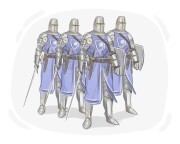
to locate
to locate
[動詞]

to be situated or established in a particular place

位置する, ある
位置する, ある

Ex: The museum is located near the river. 
medieval
medieval
[形容詞]

belonging or related to the Middle Ages, the period in European history from roughly the 5th to the 15th century

中世の, 中世に属する

中世の, 中世に属する

Ex: The castle is a masterpiece of medieval architecture, complete with towers and battlements. 
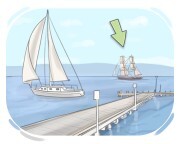
to lead
to lead
[動詞]

to be the leader or in charge of something

導く, 率いる
導く, 率いる

Ex: The tour group was led by a knowledgeable guide. 
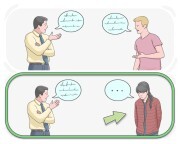
distantly
distantly
[副詞]

in a manner that is far in space or time

遠くに, 遠くから
遠くに, 遠くから

Ex: Distantly, he could hear the sound of a train passing by. 
reserved
reserved
[形容詞]

reluctant to share feelings or problems

控えめな, 無口な
控えめな, 無口な

Ex: Despite his reserved demeanor, he was a deeply compassionate person who preferred to listen rather than speak about his own struggles. 
countryside
countryside
[名詞]

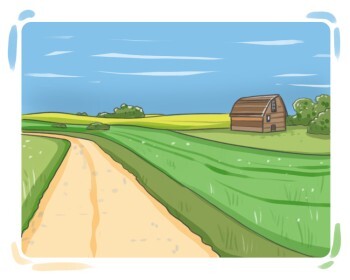
the area with farms, fields, and trees, that is outside cities and towns

田舎, 農村地帯

田舎, 農村地帯

Ex: They enjoyed taking long walks in the peaceful countryside. 
fresh air
fresh air
[名詞]

clean and natural air from outside that feels good to breathe

新鮮な空気, きれいな空気
新鮮な空気, きれいな空気

Ex: We opened the window to let in some fresh air. 
to slow down
to slow down
[動詞]

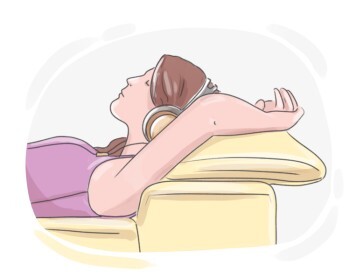
(of a person) to start taking things less seriously and try to enjoy life a bit more

スローダウンする, 人生を楽しむ

スローダウンする, 人生を楽しむ

Ex: After years of stress, he decided to slow down and appreciate the simple joys of life. 
peacefulness
peacefulness
[名詞]

a state that is calm and tranquil

平穏, 静けさ

平穏, 静けさ

to [keep] {one's} feet on the ground

to remain practical, sensible, and realistic
Ex: Despite his success, he keeps his feet on the ground. 
complex
complex
[形容詞]

having or made of several parts

複雑な, 込み入った

複雑な, 込み入った

Ex: The human brain is a complex organ with billions of interconnected neurons. 
to rule
to rule
[動詞]

to control and be in charge of a country

統治する, 支配する

統治する, 支配する

Ex: The monarch ruled the kingdom with absolute authority. 
power
power
[名詞]

a nation with significant influence and authority on a global scale

大国, 超大国

大国, 超大国

Ex: The United States is considered a major power in international politics. 
to hold on
to hold on
[動詞]

to maintain possession of something

保持する, 保有する
保持する, 保有する

Ex: He decided to hold on to his old car instead of buying a new one. 
to gain
to gain
[動詞]

to obtain something through one's own actions or hard work

得る, 獲得する

得る, 獲得する

Ex: She gained recognition in the industry through years of dedication and innovation. 
independence
independence
[名詞]

the state of being free from the control of others

独立, 自治

独立, 自治

Ex: The country gained its independence after years of colonial rule. 
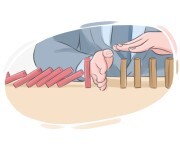
to occupy
to occupy
[動詞]

to come to power and control in a place using military force

占領する, 占拠する
占領する, 占拠する

Ex: The invading army sought to occupy the capital city, overthrowing the government and establishing military control. 
to give up
to give up
[動詞]

to stop or end an activity or state

諦める, やめる

諦める, やめる

Ex: They decided to give up their long-standing rivalry for the sake of peace. 
to [make] progress

to improve or get closer to a particular goal

Ex: Through consistent practice, he was able to make progress in his guitar-playing skills. 
innovation
innovation
[名詞]

the creation of new ideas or concepts in the mind

革新, 創造

革新, 創造

Ex: Her innovation in storytelling brought fresh perspectives to the novel. 
tax
tax
[名詞]

a sum of money that has to be paid, based on one's income, to the government so it can provide people with different kinds of public services

税
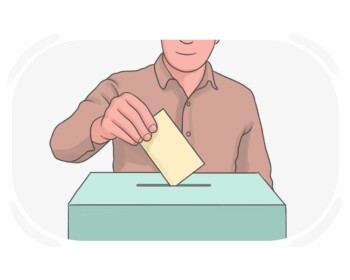
Ex: April 15th is the deadline for filing income tax returns in the United States. 
to vote
to vote
[動詞]

to show which candidate one wants to win in an election or which plan one supports, by marking a piece of paper, raising one's hand, etc.

投票する, 票を投じる

投票する, 票を投じる

Ex: Citizens regularly vote in elections to choose their representatives. 
election
election
[名詞]

the process in which people choose a person or group of people for a position, particularly a political one, through voting

選挙

選挙

Ex: The upcoming election will determine the next leader of our country, shaping the direction of government policies and priorities. 
to sign
to sign
[動詞]

to write one's name or mark on a document to indicate acceptance, approval, or endorsement of its contents

署名する

署名する

Ex: The author regularly signs copies of her books at book signings. 
document
document
[名詞]

a written record that establishes ownership, rights, or obligations

文書, 証書

文書, 証書

Ex: The deed is a document proving property ownership. 
finances
finances
[名詞]

assets in the form of money

資金, 財源

資金, 財源

entrepreneur
entrepreneur
[名詞]

a person who starts a business, especially one who takes financial risks

起業家

起業家

Ex: As an entrepreneur, she started her own tech company with just a small investment. 
reputation
reputation
[名詞]

the state in which a person or an organization is highly respected and esteemed by others

評判, 名声

評判, 名声

Ex: His reputation was damaged after the scandal was exposed to the public. 
advancement
advancement
[名詞]

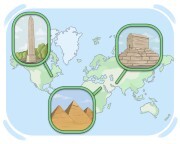
improvements, developments, or innovations that bring progress or benefit

進歩, 発展
進歩, 発展

Ex: Recent advancements in robotics have increased efficiency. 
heritage
heritage
[名詞]

the customs, traditions, rituals, and behaviors that are inherited and preserved within a community or society over time

遺産, 文化的遺産

遺産, 文化的遺産

Ex: The festival celebrates our cultural heritage with traditional dances and music. 
to [strike] a balance

to achieve a state of harmony by managing different aspects or priorities effectively

Ex: She strives to strike a balance between her work commitments and personal life. 
green
green
[形容詞]

characterizing an area that is richly covered with natural plant life or foliage

緑
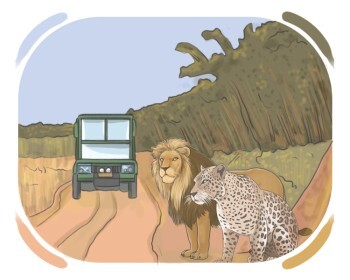
Ex: The green landscape was dotted with wildflowers and dense foliage. 
national park

an area under the protection of a government, where people can visit, for its wildlife, beauty, or historical sights

国立公園, 自然保護区
国立公園, 自然保護区

Ex: The family spent their vacation hiking in a national park. 
landmark
landmark
[名詞]

a structure or a place that is historically important

ランドマーク, 歴史的建造物

ランドマーク, 歴史的建造物

Ex: The Great Wall of China is a remarkable landmark that stretches across thousands of miles and has stood for centuries. 
bog
bog
[名詞]

a wet, spongy area of land that is often covered in moss and has poor drainage, making it soft and soggy

沼地, 湿原

沼地, 湿原

Ex: The hikers carefully crossed the bog to avoid sinking. 
birdwatching
birdwatching
[名詞]

the activity or hobby of studying birds by observing them in their natural surroundings

野鳥観察, バードウォッチング

野鳥観察, バードウォッチング

to [recharge] {one's} batteries

to relax and take a rest in order to recover one's lost energy

エネルギーを充電する, 元気を取り戻す

エネルギーを充電する, 元気を取り戻す

Ex: Right now, I am recharging my batteries with a cup of tea and a good book. 
spot
spot
[名詞]

a specific point or location identified relative to surrounding features in an area or region

場所, 地点
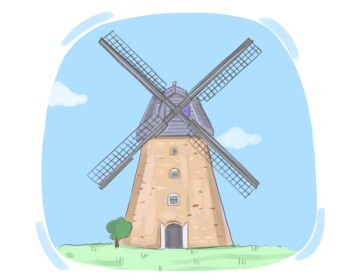
場所, 地点

Ex: The hikers stopped at a scenic spot on the trail. 
windmill
windmill
[名詞]

a large, tall building with long blades, called sails, that uses wind power to make flour out of grain or pump water

風車, ウィンドミル

風車, ウィンドミル

Ex: The old windmill was restored as a historical site. 
meteorite
meteorite
[名詞]

a piece of rock or metal from space that has hit the surface of the earth

隕石, 流星物質

隕石, 流星物質

Ex: Scientists analyzed the composition of the meteorite that fell in the desert last month. 
crater
crater
[名詞]

a depression on the surface of a celestial body, formed by the impact of cosmic debris such as meteoroids or asteroids

クレーター, 凹地

クレーター, 凹地

Ex: The Moon's surface is covered with numerous craters of various sizes, formed over billions of years by impacts from space debris. 
well preserved
well preserved
[形容詞]

kept in good condition or protected from damage, even after a long time

よく保存されている, 良好な保存状態にある

よく保存されている, 良好な保存状態にある

Ex: The castle is well preserved and still open to visitors. 
to overlook
to overlook
[動詞]

(of a building) to have a view of something, particularly from above

見渡す, 俯瞰する
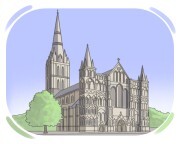
見渡す, 俯瞰する

Ex: The hotel room overlooked the beach, providing a stunning ocean view. 
cathedral
cathedral
[名詞]

the largest and most important church of a specific area, which is controlled by a bishop

大聖堂, カテドラル

大聖堂, カテドラル

Ex: The cathedral is known for its stunning Gothic architecture and intricate stained glass windows. 
dome
dome
[名詞]

a building's roof that is rounded

ドーム, 円蓋
ドーム, 円蓋

Ex: The majestic cathedral was topped with a towering dome that gleamed in the sunlight. 
detailed
detailed
[形容詞]

including many specific elements or pieces of information

詳細な, 綿密な

詳細な, 綿密な

Ex: The report provided a detailed analysis of the company's financial performance. 
cobblestone
cobblestone
[名詞]

the small, rounded stones used historically for paving streets and paths

玉石, 舗装石

玉石, 舗装石

Ex: The old town square was paved with cobblestones. 
start-up
start-up
[名詞]

a newly established company or business venture, typically characterized by its innovative approach, early-stage development, and a focus on growth

スタートアップ, 新興企業

スタートアップ, 新興企業

Ex: He launched a tech start-up with his friends. 
hub
hub
[名詞]

a central or focal point of activity, importance, or connection

中心, ハブ

中心, ハブ

Ex: The city is a major transportation hub, connecting flights from around the world. 
to value
to value
[動詞]

to regard highly and consider something as important, beneficial, or worthy of appreciation

評価する, 尊重する

評価する, 尊重する

Ex: The organization values transparency in its communication practices. 
to score
to score
[動詞]

to gain a point, goal, etc. in a game, competition, or sport

得点する, ゴールを決める

得点する, ゴールを決める

Ex: He scored a goal in the final minute. 
ranking
ranking
[名詞]

the numerical position or order of teams and individuals based on their performance in a competition or over a period of time

ランキング, 順位

ランキング, 順位

Ex: His consistent wins earned him a high ranking in the tennis tournament. 
choral
choral
[形容詞]

(of music) made to be sung by a group of singers, especially in church

合唱の,  コーラルの

合唱の, コーラルの

LanGeek
LanGeekアプリをダウンロード