pattern

SAT 語彙スキル 2 - レッスン 38

レビュー

フラッシュカード

語形

綴り

クイズ

学習を開始
SAT Word Skills 2
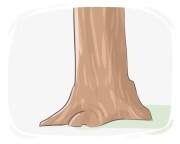
bole
bole
[名詞]

the cylindrical lower portion of a tree located above the roots and below the branches

幹, 木の幹

幹, 木の幹

Ex: The old oak tree had an enormous bole nearly 6 feet in diameter at its base. 

その古いオークの木には、基部で直径ほぼ6フィートの巨大な幹がありました。

bolero
bolero
[名詞]

a spanish dance that involves intricate footwork and graceful, flirtatious movements

ボレロ, 複雑な足の動きと優雅で媚びた動きを伴うスペインのダンス

ボレロ, 複雑な足の動きと優雅で媚びた動きを伴うスペインのダンス

Ex: Learning the fast rhythms and synchronized spins of the bolero took the dance students months of practice. 

ボレロの速いリズムと同期したスピンを学ぶには、ダンスの学生たちに何ヶ月もの練習が必要でした。

boll
boll
[名詞]

a specialized type of plant fruit or capsule containing seeds that splits open at maturity, such as cotton or flax

さく果, ボル(綿や亜麻のための特定の用語)

さく果, ボル(綿や亜麻のための特定の用語)

Ex: Farmers monitored the cotton fields closely as the bolls began to ripen, looking for signs they were ready to harvest. 

農家は、さやが熟し始めると綿畑を注意深く監視し、収穫の準備ができている兆候を探しました。
to bolster
to bolster
[動詞]

to enhance the strength or effect of something

強化する, 支える

強化する, 支える

Ex: Recent scientific findings have bolstered the theory that climate change poses severe risks. 

最近の科学的発見は、気候変動が深刻なリスクをもたらすという理論を強化しました。

to levy
to levy
[動詞]

to officially impose and collect a tax, fee, fine, or other payment

課す,  徴収する

課す, 徴収する

Ex: The city levies a tax on commercial property. 
levity
levity
[名詞]

a way of speaking, acting, or conveying information in a lighthearted style without gravity

軽さ, 不真面目さ

軽さ, 不真面目さ

Ex: The after-dinner speeches were delivered with a light levity to keep the mood cheerful. 

夕食後のスピーチは、気分を明るく保つために軽い軽さで行われました。

to levitate
to levitate
[動詞]

to rise and float in air, as if by magic or without any physical support

浮遊する, 空中に浮く

浮遊する, 空中に浮く

Ex: Witnesses reported seeing the man levitate a few feet above the ground before floating back down. 

目撃者によると、その男性は地面から数フィート浮かび上がり(浮遊)、その後ゆっくりと降りてきたとのことです。

leviathan
leviathan
[名詞]

the single most massive, formidable or mighty example of its kind

レヴィアタン, 巨人

レヴィアタン, 巨人

Ex: Destroyers in the U.S. Navy constitute leviathan warships that dwarf almost all other naval vessels in firepower, defenses and displacement size. 

米海軍の駆逐艦は、火力、防御、排水量においてほとんどすべての他の海軍艦艇を凌駕するレヴィアタン級の軍艦である。

doleful
doleful
[形容詞]

filled with grief and sorrow

悲しみに満ちた, 哀れな

悲しみに満ちた, 哀れな

Ex: The doleful wailing of the woman could be heard throughout the neighborhood as she mourned the loss of her child. 

女性の悲しみに満ちた泣き声が、彼女が子供の死を悼んでいる間、近所中に聞こえました。

grantor
grantor
[名詞]

a person or entity that bestows something, such as property, rights, or privileges, to another through a legal document

授与者, 譲渡人

授与者, 譲渡人

Ex: In the property deed, Jane Smith is listed as the grantor who transferred ownership of the house to Michael Johnson. 

不動産証書では、ジェーン・スミスはマイケル・ジョンソンに家の所有権を移転した譲渡人として記載されています。

grantee
grantee
[名詞]

an individual, organization, or other entity that receives funds or other resources through agreement or contract

助成金受給者, グラント受領者

助成金受給者, グラント受領者

Ex: The local homeless shelter was approved as the grantee for a $50,000 grant to fund their job training program. 

地元のホームレスシェルターは、職業訓練プログラムを資金提供するための5万ドルの助成金の受給者として承認されました。

to mistrust
to mistrust
[動詞]

to have doubts, reservations, or uncertainties about relying on someone or something

信用しない, 疑う

信用しない, 疑う

Ex: His suspicious nature causes him to instinctively mistrust people's intentions until they prove otherwise. 

彼の疑わしい性質は、人々の意図を彼らが反証するまで本能的に不信感を抱かせる。

to misrepresent

to portray imperfectly or incorrectly without deceitful intent

誤って伝える, 不正確に表現する

誤って伝える, 不正確に表現する

Ex: In retelling the story, Steve misrepresented a few minor details but meant no harm. 

話を再び語る際、スティーブはいくつかの細かい詳細を誤って伝えたが、悪意はなかった。

misrepresentation

an imperfect or incorrect portrayal resulting from misunderstanding, incomplete data, or unintentional errors

誤解, 誤った表現

誤解, 誤った表現

Ex: In my haste to meet the deadline, my article likely contained some misrepresentations resulting from insufficient fact-checking. 

締め切りに間に合わせようと急いでいたため、私の記事にはおそらく不十分な事実確認によるいくつかの誤った表現が含まれていました。

to misplace
to misplace
[動詞]

to arrange an item in a way that is improper based on conventions, standards, or designated positioning

誤って配置する, 不適切に配置する

誤って配置する, 不適切に配置する

Ex: The movers accidentally misplaced some boxes during the relocation and they ended up in the wrong room. 

引越し業者は誤っていくつかの箱を置き忘れ、それらは間違った部屋に運ばれてしまった。

misrule
misrule
[名詞]

incompetent or ineffective governance of a country, organization, or domain

悪政, 無能な統治

悪政, 無能な統治

Ex: The province fell into disorder due to misrule by inefficient bureaucrats. 

非効率な官僚による悪政のため、その州は混乱に陥った。

to misuse
to misuse
[動詞]

to use something improperly or incorrectly

誤用する, 不正に使用する

誤用する, 不正に使用する

Ex: The tool was misused by the apprentice who didn't understand its proper function. 

その道具は、正しい機能を理解していなかった見習いによって誤用されました。

to mismanage
to mismanage
[動詞]

to inadequately direct something due to negligence or poor decision-making

誤って管理する, 不適切に管理する

誤って管理する, 不適切に管理する

Ex: The previous CEO mismanaged the company's finances and drove it into bankruptcy. 

前のCEOは会社の財務を誤って管理し、破産に追い込みました。

LanGeek
LanGeekアプリをダウンロード
