
本 Total English - 初中級 - ユニット9 - 参照
ここでは、Total English Pre-Intermediateコースブックのユニット9 - リファレンスからの語彙を見つけることができます。例えば"flexible"、"shift"、"apply"などです。
復習
フラッシュカード
綴り
クイズ

a group of people chosen to hear the evidence in a court case and reach a verdict

陪審員, 陪審
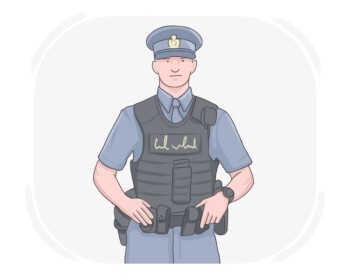
someone whose job is to protect people, catch criminals, and make sure that laws are obeyed
警察官,警官
警察官は制服とバッジを着用しています。

to officially state the punishment of someone found guilty in a court of law
判決を下す
昨年、陪審員は全会一致で被告に長期の刑を言い渡した。
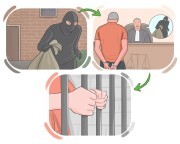
the act or process of making someone suffer a consequence for wrongdoing
罰, 処罰

to take something from someone or somewhere without permission or paying for it
盗む,奪う
昨夜、誰かが前庭から私の自転車を盗みました。
a person who steals something that belongs to someone else
泥棒, 窃盗犯

a person who has been harmed, injured, or killed due to a crime, accident, etc.
犠牲者
緊急サービスは、車の事故の後、被害者を病院に急送しました。

a person who sees an event, especially a criminal scene
目撃者,証人
事故の目撃者であることが彼を動揺させたが、彼は当局に貴重な情報を提供することができた。

able or willing to change or adapt easily to different needs or circumstances

the process during which someone learns the skills needed in order to do a particular job
訓練,トレーニング
ワークショップでは、コンピュータプログラミングの実践的なトレーニングが提供されました。
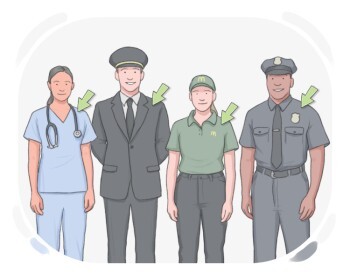
a special set of clothes worn by members of the same organization, profession, or school
制服

the period of time when a group of people work during the day or night
シフト,勤務時間
看護師たちは病院で夜勤を始めています。
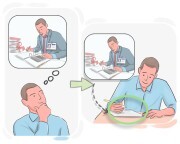
to make a formal request for something, especially by submitting a written application

to present or propose something to someone
提供する,提案する
レストランは、さまざまな料理の好みに対応するために多様なメニューを提供しました。

to move to a higher position or rank
昇進させる,昇格させる
彼女のリーダーシップ能力により、彼らは彼女をチームリーダーに昇進させることを決めた。

to ask someone questions to see whether they are qualified for a course of study, job, etc.
面接する,インタビューする
採用担当者は、彼のスキルと経験を測るために広範囲にわたって面接しました。

to officially announce one's departure from a job, position, etc.
辞任する,辞職する
市長は職を辞任する決意を発表しました。
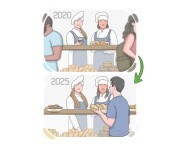
to own, manage, or organize something such as a business, campaign, a group of animals, etc.
経営する,管理する
彼女は乳製品生産のために山羊の群れを経営しています。

an extra amount of money paid to an employee in addition to regular wages or salary, usually as a reward
ボーナス, 賞与
a sum of money paid to someone based on the value or quantity of goods they sell
手数料, パーセンテージ
エージェントは買い手を見つけたことで手数料を受け取りました。

someone who is paid by another to work for them
従業員,労働者
工場の従業員は食堂で昼食をとっていました。

a person or organization that hires and pays individuals for a variety of jobs
雇用主,雇い主
そのレストランのオーナーは、公平で支援的な雇用主として知られており、スタッフにとって前向きな職場環境を育んでいました。
the skill and knowledge we gain from doing, feeling, or seeing things
経験
プロジェクト管理におけるチームの集合的な経験が、タスクの成功裏の完了を保証しました。

someone who answers the questions during an interview
面接者,候補者
面接を受ける人は就職の面接に早く到着しました。

a person who asks questions to obtain information from someone in an interview, usually to evaluate their qualifications, opinions, or experiences
インタビュアー,面接官
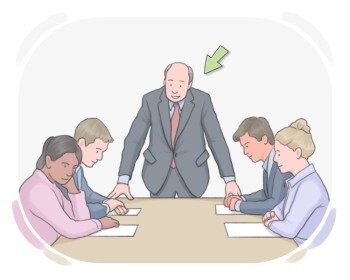
a senior executive or business leader who is responsible for the overall management and direction of a company or organization
代表取締役,マネージングディレクター
a skill or personal quality that makes someone suitable for a particular job or activity
スキル,資格
いくつかのオンラインコースを修了した後、彼女は認定プロジェクトマネージャーになるために必要な資格を取得しました。

a person who greets and deals with people arriving at or calling a hotel, office building, doctor's office, etc.
受付係,レセプショニスト
私は受付係にメッセージを残しました。

someone who works in an office as someone's assistance, dealing with mail and phone calls, keeping records, making appointments, etc.
秘書,事務アシスタント
秘書は会議の議事録をタイプし、すべての出席者に配布しました。

a fixed amount of money paid regularly to an employee for their work, usually expressed as an annual amount and paid monthly
給料, サラリー
money that a person earns, daily or weekly, in exchange for their work
賃金,給料
彼女はアルバイトの賃金を使って大学の授業料を貯めた。

someone whose job involves helping and selling things to the customers and visitors of a store, etc.
販売アシスタント,店員
販売アシスタントが、私が買いたかったドレスの適切なサイズと色を選ぶのを手伝ってくれました。
a person whose job is to sell products or services for a company, usually by meeting or contacting customers
営業担当者,販売代理店
セールスレップは今日、いくつかのクライアントを訪問しました。

an unlawful act that is punishable by the legal system
犯罪, 罪
彼はホワイトカラー犯罪で有罪判決を受け、刑務所に送られた。
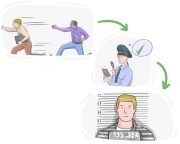
(of law enforcement agencies) to take a person away because they believe that they have done something illegal
逮捕する
昨年、探偵は徹底的な調査の後、予期せず容疑者を逮捕した。

to do a particular thing that is unlawful or wrong
犯す,行う
彼は、会社の資金を私的利益のために流用する横領を犯したとして有罪判決を受けた。
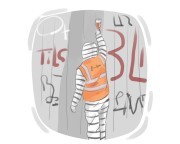
unpaid work done either as a form of punishment by a criminal or as a voluntary service by a citizen
社会奉仕,コミュニティサービス
破壊行為で有罪判決を受けた後、彼は100時間の社会奉仕を命じられた。

a person who does or is involved in an illegal activity
犯罪者,刑事
探偵たちは危険な犯罪者を捕まえるために一生懸命働いた。
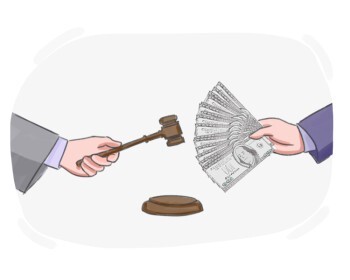
an amount of money that must be paid as a legal punishment
罰金,過料
裁判所は環境違反に対して会社に罰金を科した。
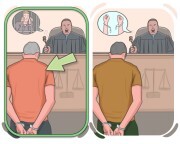
responsible for an illegal act or wrongdoing
有罪の,責任がある
彼は裁判所で罪状を有罪と認めた。

not guilty of a crime, offense, or wrongdoing
無罪の, 潔白な
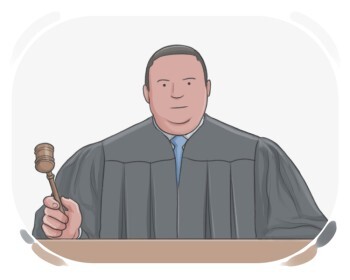
(law) an official who presides over legal proceedings in a court and makes decisions about the application of the law
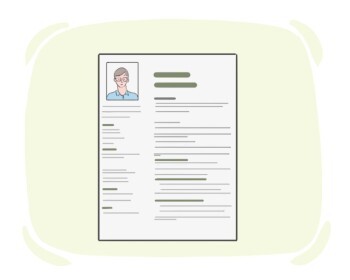
a document that summarizes a person's academic and work history, often used in job applications or academic pursuits
履歴書
彼女は仕事に応募する前に履歴書を更新しました。
