pattern

本 Interchange - 中級 - ユニット4 - パート3

ここでは、Interchange Intermediate教科書のユニット4 - パート3からの語彙が見つかります。例えば「combine」、「flesh」、「adapt」など。

レビュー

フラッシュカード

語形

綴り

クイズ

学習を開始
Interchange - Intermediate
to scoop out
to scoop out
[動詞]

to remove something from a container or surface using a spoon or similar tool

すくい出す, 掬い取る

すくい出す, 掬い取る

Ex: She scooped out the avocado and mashed it for the salad. 

彼女はアボカドをすくい出し、サラダ用につぶした。

flesh
flesh
[名詞]

the soft tissue of a person or animal between the skin and bones

肉,  軟組織

肉, 軟組織

Ex: The cut went deep into the flesh of his arm. 
fork
fork
[名詞]

an object with a handle and three or four sharp points that we use for picking up and eating food

フォーク, 熊手

フォーク, 熊手

Ex: I gently tapped the glass with a fork to make a sound. 
to squeeze
to squeeze
[動詞]

to force liquid out of something by pressing or twisting it

絞る,  搾る

絞る, 搾る

Ex: She squeezed the juice from a fresh lemon. 
to combine
to combine
[動詞]

to mix in order to make a single unit

混ぜる, 組み合わせる

混ぜる, 組み合わせる

Ex: The chef combined various ingredients to make a flavorful sauce for the pasta. 
ingredient
ingredient
[名詞]

a food or substance used with others to prepare a particular dish

材料,  成分

材料, 成分

Ex: Flour is the main ingredient in this bread. 
pizza
pizza
[名詞]

an Italian food made with thin flat round bread, baked with a topping of tomatoes and cheese, usually with meat, fish, or vegetables

ピザ

ピザ

Ex: I added mushrooms, onions, and bell peppers as toppings on my pizza. 
society
society
[名詞]

people in general, considered as an extensive and organized group sharing the same laws

社会

社会

Ex: The organization aims to address social issues and improve the well-being of marginalized groups in our society. 
to grow
to grow
[動詞]

to become greater in size, amount, number, or quality

成長する, 増える

成長する, 増える

Ex: The population of the city is growing rapidly. 
process
process
[名詞]

a specific course of action that is performed in order to accomplish a certain objective

プロセス, 手順
プロセス, 手順

Ex: Following the proper process ensures consistency in quality. 
knowledge
knowledge
[名詞]

an understanding of or information about a subject after studying and experiencing it

知識,  知恵

知識, 知恵

Ex: Experience working in the field provided Sarah with valuable knowledge about environmental conservation. 
to fit
to fit
[動詞]

to be of the right size or shape for someone

合う, フィットする

合う, フィットする

Ex: Can you try on these shoes to see if they fit? 
local
local
[形容詞]

related or belonging to a particular area or place that someone lives in or mentions

地元の, 地域の

地元の, 地域の

Ex: The local community center offers various programs and activities for residents. 
successfully
successfully
[副詞]

in a manner that achieves what is desired or expected

成功裏に,  うまく

成功裏に, うまく

Ex: After months of hard work and dedication, she successfully completed her research project. 

何ヶ月もの努力と献身の末、彼女は研究プロジェクトを無事に完了させました。

to recognize
to recognize
[動詞]

to know who a person or what an object is, because we have heard, seen, etc. them before

認識する, 見分ける

認識する, 見分ける

Ex: He didn't recognize the old friend he hadn't seen in years. 
to appear
to appear
[動詞]

to become visible and noticeable

現れる, 見える

現れる, 見える

Ex: The magician appeared on stage in a puff of smoke, stunning the audience. 
baker
baker
[名詞]

a person whose job is to make bread, cakes, pastries, and similar baked goods, especially for sale

Ex: The baker starts work early each morning to prepare fresh bread. 
royal family
royal family
[名詞]

the king, queen, their children, and close relatives, often holding significant historical, cultural, and political influence within a monarchy

王室, 王家

王室, 王家

Ex: The British royal family has been a symbol of tradition and continuity for centuries. 

英国の王室は何世紀にもわたって伝統と継続性の象徴となっています。

to name after

to give someone or something a name in honor or in memory of another person or thing

にちなんで名付ける, の名を取って命名する

にちなんで名付ける, の名を取って命名する

Ex: They decided to name their daughter after her grandmother. 

彼らは娘に祖母の名前を名付けることに決めた。

to adapt
to adapt
[動詞]

to change one's behavior or habits in order to deal successfully with a new situation or environment

Ex: Emma adapted quickly to her new school. 
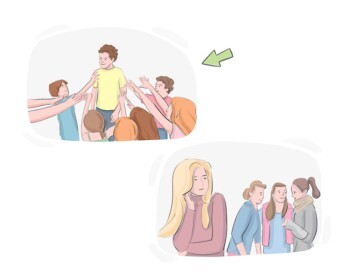
journey
journey
[名詞]

the act of travelling between two or more places, especially when there is a long distance between them

旅, 旅行
旅, 旅行

Ex: The family embarked on a road trip, making stops at various landmarks and attractions during their journey. 
popular
popular
[形容詞]

receiving a lot of love and attention from many people

人気のある, 愛されている

人気のある, 愛されている

Ex: This café is popular with local students. 
to discover
to discover
[動詞]

to be the first person who finds something or someplace that others did not know about

発見する, 探検する

発見する, 探検する

Ex: The explorers discovered a previously unknown island while navigating the vast ocean. 
incredible
incredible
[形容詞]

extremely great or large

信じられない, 驚くべき

信じられない, 驚くべき

Ex: The incredible speed of the cheetah makes it the fastest land animal. 

チーターの信じられないほどの速さは、それを最速の陸上動物にしています。

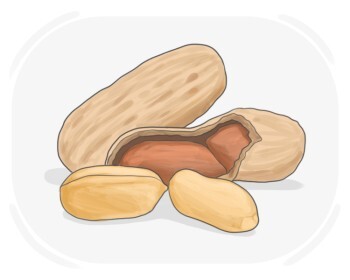
peanut
peanut
[名詞]

a type of nut that could be eaten, growing underground in a thin shell

ピーナッツ, 落花生

ピーナッツ, 落花生

Ex: I couldn't resist buying a bag of freshly roasted peanuts from the street vendor. 

私は路上の売り子から焼きたてのピーナッツの袋を買わずにはいられなかった。

nation
nation
[名詞]

a country considered as a group of people that share the same history, language, etc., and are ruled by the same government

国家, 国民

国家, 国民

Ex: Nations often celebrate Independence Day to commemorate their freedom and sovereignty. 
octopus
octopus
[名詞]

a sea creature with eight, long arms and a soft round body with no internal shell

タコ, 蛸

タコ, 蛸

Ex: The octopus gracefully glided through the water, its tentacles trailing behind like delicate ribbons. 

タコは優雅に水中を滑り、触腕は繊細なリボンのように後ろにたなびいていた。

squid
squid
[名詞]

a type of Italian food made from a sea creature called squid, which is cooked with garlic, tomatoes, and white wine, and is usually eaten with pasta or bread

イカ, イカと呼ばれる海の生物から作られたイタリア料理の一種
イカ, イカと呼ばれる海の生物から作られたイタリア料理の一種

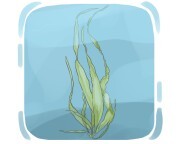
seaweed
seaweed
[名詞]

a type of plant that grows in or near the sea

海藻, 藻

海藻, 藻

Ex: I enjoy the refreshing taste of seaweed salad. 

私は海藻サラダの爽やかな味が好きです。

topping
topping
[名詞]

a layer of food that is spread over the top of a dish to make it taste or look better

トッピング, 上掛け

トッピング, 上掛け

Ex: She added cheese as a topping for her pizza. 

彼女はピザのトッピングとしてチーズを加えた。

kangaroo
kangaroo
[名詞]

a large Australian animal with a long tail and two strong legs that moves by leaping, female of which can carry its babies in its stomach pocket which is called a pouch

カンガルー, ワラビー

カンガルー, ワラビー

Ex: Female kangaroos carry their young, called joeys, in their pouches, providing warmth and protection until they are fully developed. 
crocodile
crocodile
[名詞]

a large reptile with very big jaws, sharp teeth, short legs, and a hard skin and long tail that lives in rivers and lakes in warmer regions

ワニ

ワニ

Ex: I didn't know that crocodiles are excellent swimmers. 

私はワニが優れた泳ぎ手であることを知りませんでした。

mango
mango
[名詞]

a sweet yellow fruit with a thin skin that grows in hot areas

マンゴー, マンゴーの果実

マンゴー, マンゴーの果実

Ex: Creating a homemade face mask using mango can be a cost-effective option for skincare. 

マンゴーを使って手作りのフェイスマスクを作ることは、スキンケアに費用対効果の高い選択肢となり得ます。

popularity
popularity
[名詞]

the state of being liked, enjoyed, admired, or supported by many people
Ex: Emma's popularity grew after she joined the school theater group. 
related
related
[形容詞]

connected logically, causally, or by shared characteristics

関連した, 関係のある

関連した, 関係のある

Ex: The symptoms he described were related to the common cold. 

彼が説明した症状は風邪と関連していました。

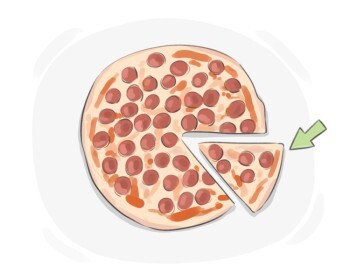
slice
slice
[名詞]

a piece of food cut from a larger amount, usually in a thin, flat shape

Ex: She ate a slice of bread with butter. 
LanGeek
LanGeekアプリをダウンロード