pattern

本 Solutions - 上級 - ユニット2 - 2A - パート2

ここでは、Solutions Advancedコースブックのユニット2 - 2A - パート2からの語彙を見つけることができます。例えば"fable"、"compelling"、"macabre"などです。

レビュー

フラッシュカード

綴り

クイズ

学習を開始
Solutions - Advanced
literary genre

a category or type of literature characterized by a particular style, form, or theme

文学ジャンル, 文学のカテゴリー

文学ジャンル, 文学のカテゴリー

Ex: Science fiction is a popular literary genre among young readers. 

サイエンスフィクションは若い読者の間で人気のある文学ジャンルです。

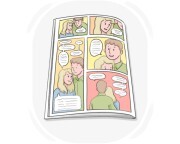
comic book
comic book
[名詞]

a book that tells a story with a series of pictures and words, often featuring superheroes or adventure

漫画本, コミックブック

漫画本, コミックブック

Ex: She loves reading her comic book every evening. 

彼女は毎晩自分の漫画本を読むのが大好きです。

fable
fable
[名詞]

a short story on morality with animal characters

寓話, 道徳的な物語
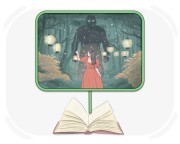
寓話, 道徳的な物語

Ex: The fable of "The Tortoise and the Hare" teaches us that slow and steady wins the race. 
fairy tale
fairy tale
[名詞]

a type of folktale that typically features mythical creatures, magical events, and enchanted settings, often with a moral lesson or a happy ending

おとぎ話, 魔法の物語

おとぎ話, 魔法の物語

Ex: Children love to immerse themselves in the magical world of fairy tales, where anything seems possible. 

子供たちは、何でも可能に思えるおとぎ話の魔法の世界に没頭するのが大好きです。

fantasy
fantasy
[名詞]

a genre of fiction involving imaginary worlds, magical elements, or supernatural events

ファンタジー,  空想

ファンタジー, 空想

Ex: Emma mostly reads fantasy, especially stories about dragons and magic. 
folktale
folktale
[名詞]

a traditional story or legend passed down through generations, often involving supernatural elements and teaching moral lessons

民話, 伝統的な伝説

民話, 伝統的な伝説

Ex: The folktale of the tortoise and the hare teaches patience and persistence. 

亀とウサギの民話は忍耐と持続を教えます。

graphic novel

a book that combines illustrations and storytelling to convey a narrative, often in a sequential art format

グラフィックノベル, 漫画

グラフィックノベル, 漫画

Ex: She is reading a graphic novel that explores dystopian themes. 

彼女はディストピアのテーマを探求するグラフィックノベルを読んでいます。

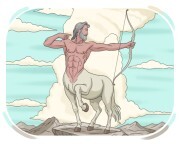
myth
myth
[名詞]

a traditional story about gods, heroes, or supernatural events, often explaining a culture's history, beliefs, or natural phenomena

神話
神話

Ex: Greek myths often tell stories about gods interacting with humans. 
novel
novel
[名詞]

a long written story that usually involves imaginary characters and places

小説, 本
小説, 本

Ex: The novel's complex characters and intricate plot make it a compelling read. 
chilling
chilling
[形容詞]

causing an intense feeling of fear or unease

ぞっとする, 不気味な

ぞっとする, 不気味な

Ex: The chilling whispers in the abandoned house made her hair stand on end. 

廃墟の家の中の身震いするような囁きが、彼女の髪の毛を逆立たせた。

compelling
compelling
[形容詞]

persuasive in a way that captures attention or convinces effectively

説得力のある, 魅力的な

説得力のある, 魅力的な

Ex: The speaker delivered a compelling argument that persuaded many to change their views. 

スピーカーは、多くの人々の見方を変えるほど説得力のある議論を展開した。

fast-moving
fast-moving
[形容詞]

developing, moving, or changing with high speed

速い, 速く動く

速い, 速く動く

Ex: The fast-moving storm swept through the region, leaving a trail of destruction in its wake. 

高速で移動する嵐が地域を襲い、その跡に破壊の痕跡を残した。

light-hearted
light-hearted
[形容詞]

cheerful and free of concern or anxiety

陽気な, 心配のない

陽気な, 心配のない

Ex: The light-hearted banter among friends created a joyful atmosphere at the gathering. 

友人同士の気軽な冗談が集まりで楽しい雰囲気を作り出した。

lightweight
lightweight
[形容詞]

lacking depth or substance, offering only surface-level engagement

表面的な, 軽い

表面的な, 軽い

Ex: The discussion was too lightweight to address the core issues. 

その議論は核心的な問題に対処するにはあまりにも軽薄だった。

macabre
macabre
[形容詞]

disturbing and fear inducing due to its connection with death, murder, violence, etc.

不気味な

不気味な

Ex: The film's macabre scenes of violence left a lasting impact on its audience. 

映画の不気味な暴力シーンは、観客に長く続く影響を与えた。

nail-biting
nail-biting
[形容詞]

causing intense nervousness or anxiety, often due to uncertainty or anticipation

ハラハラする, スリリングな

ハラハラする, スリリングな

Ex: The nail-biting finale of the game had fans holding their breath. 

ゲームの息をのむようなフィナーレは、ファンが息を呑むほどでした。

poignant
poignant
[形容詞]

causing strong emotions, especially sadness or empathy

心にしみる, 感動的な

心にしみる, 感動的な

Ex: The poignant story of the elderly couple's enduring love brought tears to everyone's eyes. 

老夫婦の enduring love の 痛切な 物語は、皆の目に涙を浮かべさせた。
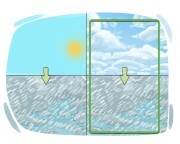
predictable
predictable
[形容詞]

easily anticipated or expected to happen based on past experiences or knowledge

予測可能な, 予想通り

予測可能な, 予想通り

Ex: The movie's predictable plot followed a typical Hollywood formula. 

その映画の予測可能なプロットは、典型的なハリウッドの手法に従っていた。

sensational
sensational
[形容詞]

causing people to experience great interest, shock, curiosity, or excitement

センセーショナル, 驚くべき

センセーショナル, 驚くべき

Ex: The sensational performance by the rock band electrified the crowd, leaving them wanting more. 

ロックバンドのセンセーショナルなパフォーマンスは観客を興奮させ、もっと欲しいと思わせた。
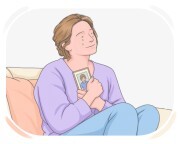
sentimental
sentimental
[形容詞]

showing or aiming to stir feelings of tenderness, or sorrow, in a way that may seem exaggerated

感傷的な, センチメンタルな

感傷的な, センチメンタルな

Ex: The film's ending was overly sentimental. 
shallow
shallow
[形容詞]

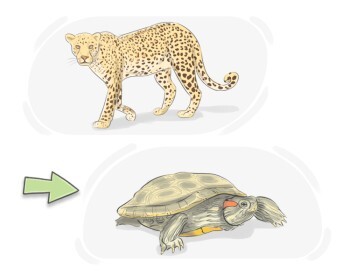
lacking serious thought, understanding, emotion, or depth of character

浅はかな,  薄っぺらい
浅はかな, 薄っぺらい

Ex: Emma found the conversation rather shallow. 
slow-moving
slow-moving
[形容詞]

progressing or acting at a slow pace or speed

動きの遅い, 進行が遅い

動きの遅い, 進行が遅い

Ex: The plot of the film was too slow-moving for some viewers. 

その映画のプロットは、一部の観客にとって遅すぎました。

tedious
tedious
[形容詞]

using too many words, making it boring or tiresome to read or listen to

退屈な, うんざりするような

退屈な, うんざりするような

Ex: The tedious instructions included steps that seemed redundant. 

退屈な説明には、冗長と思われる手順が含まれていました。

thought-provoking

causing one to seriously think about a certain subject or to consider it

考えさせられる, 知的に刺激的な

考えさせられる, 知的に刺激的な

Ex: The movie left a lasting impression on me with its thought-provoking exploration of existential questions. 

その映画は、存在に関する問いの考えさせられる探求を通じて、私に長続きする印象を残しました。

touching
touching
[形容詞]

bringing about strong emotions, often causing feelings of sympathy or warmth

感動的な, 心温まる

感動的な, 心温まる

Ex: The touching story of friendship moved everyone to tears. 

友情の感動的な物語は、皆を涙させた。

convincing
convincing
[形容詞]

able to make someone believe that something is right or true

説得力のある

説得力のある

Ex: The convincing evidence presented by the prosecutor left no doubt of the defendant's guilt. 

検察官によって提示された説得力のある証拠は、被告の有罪について疑いの余地を残さなかった。
bookworm
bookworm
[名詞]

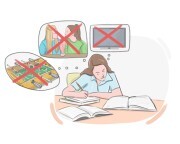
a person who loves reading books and often spends a lot of time reading

本の虫, 読書家

本の虫, 読書家

Ex: She’s a real bookworm who finishes a novel every week. 

彼女は毎週小説を読み終える本当の本の虫です。

heavy going

requiring significant effort to overcome or complete

かなり骨が折れる, なかなか大変

かなり骨が折れる, なかなか大変

Ex: The first chapter is heavy going unless you already know the theory. 

その理論をすでに知らないと、第一章はかなり骨が折れる。

to get into
to get into
[動詞]

to begin participating in, learning about, and developing a strong interest or passion for a particular activity, hobby, or topic

始める, 熱中する

始める, 熱中する

Ex: They got into gardening and created a colorful backyard oasis. 

彼らはガーデニングに没頭し始め、カラフルな裏庭のオアシスを作り出した。

to [judge] a book by its cover

to form an opinion or make a judgment about something or someone based solely on its outward appearance or initial impression

見た目で判断する, 第一印象だけで決めつける

見た目で判断する, 第一印象だけで決めつける

Ex: Do not judge a book by its cover; he looks quiet, but he is brilliant. 

見た目で判断しないで。彼はおとなしく見えるけれど、とても優秀だ。

to [read] between the lines

to get an understanding of what someone's true intention is or how they feel based on what they say or write

行間を読む, 言外の意味をくみ取る

行間を読む, 言外の意味をくみ取る

Ex: She said she was fine, but if you read between the lines, she was clearly hurt. 

彼女は大丈夫だと言ったけれど、行間を読めば明らかに傷ついていた。

to [cut] a long story short

to summarize or condense a story or explanation, often leaving out details to focus on the main points

Ex: She cut a long story short by skipping the unnecessary details. 
page-turner
page-turner
[名詞]

a book or story that is so engaging and compelling that it keeps the reader eagerly turning the pages

ページターナー, page-turner

ページターナー, page-turner

Ex: The mystery novel was a real page-turner; I couldn't put it down. 

そのミステリー小説は本当のページターナーだった; 私はそれを置くことができなかった。

bedtime
bedtime
[名詞]

the time when one goes to bed or the assigned time for sleeping

就寝時間, 寝る時間

就寝時間, 寝る時間

Ex: Her regular bedtime is 10 p.m. on school nights. 

学校のある夜の彼女の定時の就寝時間は午後10時です。

reading
reading
[名詞]

the act or process of looking at a written or printed piece and comprehending its meaning

読書, 読むこと

読書, 読むこと

Ex: She enjoys spending her evenings curled up with a good book, lost in the pleasure of reading. 
humorous
humorous
[形容詞]

making one laugh particularly by being enjoyable

ユーモアのある, 面白い

ユーモアのある, 面白い

Ex: The comedian told a humorous story that made everyone laugh. 
LanGeek
LanGeekアプリをダウンロード