

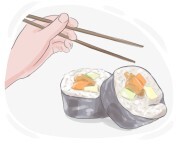
a dish of small rolls or balls of cold cooked rice flavored with vinegar and garnished with raw fish or vegetables, originated in Japan

寿司
彼女は寿司が好きで、特にサーモンとアボカドの巻き寿司がお気に入りです。

a country that is in East Asia and made up of many islands
日本
日本は伝統文化と現代技術のユニークな融合で有名です。
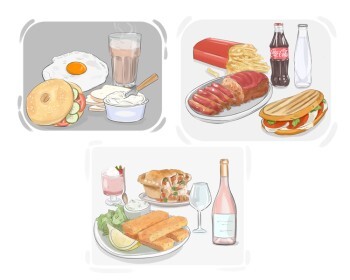
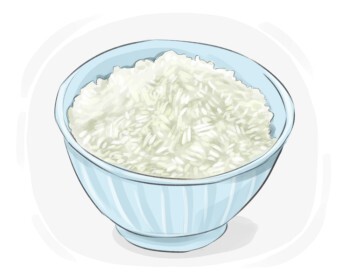
a small and short grain that is white or brown and usually grown and eaten a lot in Asia
米, 玄米
栄養価の高い玄米を白米よりも好む。
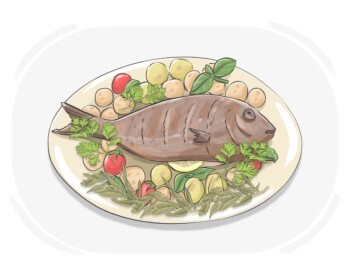
flesh from a fish that we use as food
魚, 食用の魚
彼は健康的な夕食のために白身の魚を使って魚と野菜の炒め物を作りました。
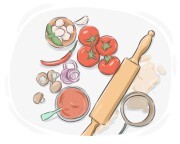
a food item that forms part of a recipe or culinary mixture
材料, 成分
小麦粉はパンの主な材料です。

the sense that we feel when we put food in our mouth
味
彼はそのワインの複雑な味が気に入った。
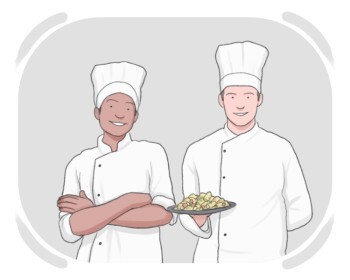
a highly trained cook who often cooks for hotels or restaurants
シェフ, 料理人
シェフは、ゲストのために美味しい五品の食事を準備し、彼の料理の腕前を披露しました。

having a thick consistency that clings to surfaces when in contact
ねばねばした, べとべとした
シロップはベタベタしていて、カウンターからきれいにするのが難しかった。
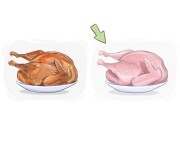
related to foods that have not been exposed to heat or any form of cooking
生の, 調理されていない
彼女は生の野菜と葉物野菜で作られたサラダを楽しんだ。
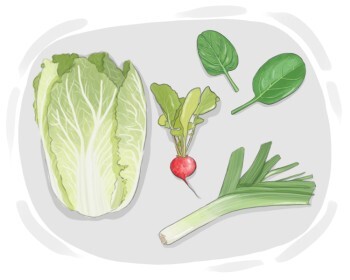
a plant or a part of it that we can eat either raw or cooked
野菜
トマト、きゅうり、レタスのような新鮮な野菜はおいしいサラダを作ります。
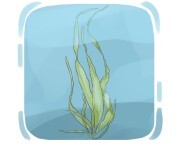
a type of plant that grows in or near the sea
海藻, 藻
私は海藻サラダの爽やかな味が好きです。
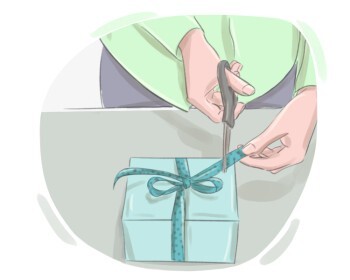
to cover an object in paper, soft fabric, etc.
包む, 包装する
彼女は誕生日プレゼントをカラフルな包装紙で包み、リボンで結ぶことに決めました。

a type of sushi consisting of a small, hand-pressed mound of vinegared rice topped with a slice of raw fish, seafood, or other ingredients, sometimes bound together with a thin strip of seaweed
握り, 握り寿司
私は寿司屋でサーモンの握りを一皿注文しました。
a type of sushi roll consisting of vinegared rice and various fillings such as fish, vegetables, or seafood, all wrapped in a sheet of seaweed and sliced into bite-sized pieces
巻き, 巻き寿司
私はアボカドとキュウリ入りのツナの巻きを注文しました。
a Japanese dish consisting of thinly sliced raw fish or seafood that is typically served with soy sauce and wasabi
刺身, 薄く切った生の魚またはシーフードからなる日本の料理で、通常醤油とわさびと共に提供される
a strategic hand game where players use their fingers to manipulate and transfer the number of sticks or points between their hands to reach a specific goal
箸, 箸ゲーム

a thin dark brown sauce, made from soybeans, used in Asian cuisines
醤油, しょうゆ
醤油は、寿司や照り焼きなどの伝統的な日本料理の重要な材料です。
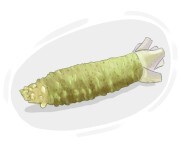
a spicy condiment used in Japanese cuisine, made from the grated root of the wasabi plant
ワサビ
シェフは巧みにクリーミーなソースにわさびを加えました。
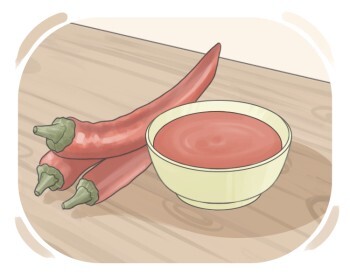
having a strong taste that gives your mouth a pleasant burning feeling
辛い, スパイシー
新鮮なハラペーニョで作られたスパイシーなサルサがチップスにアクセントを加えました。
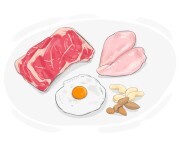
a substance found in food such as meat, eggs, seeds, etc. which is an essential part of the diet and keeps the body strong and healthy
タンパク質
鶏肉と魚は優れたタンパク質源です。
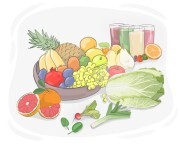
natural substances that are found in food, which the body needs in small amounts to remain healthy, such as vitamin A, B, etc.
ビタミン
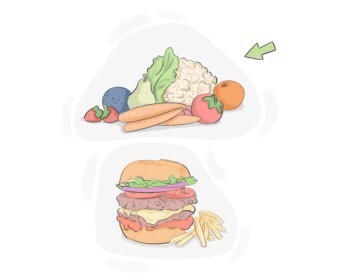
making someone feel well or showing good health
健康的, 健やか
健康を保つためには、良質な睡眠が必要です。
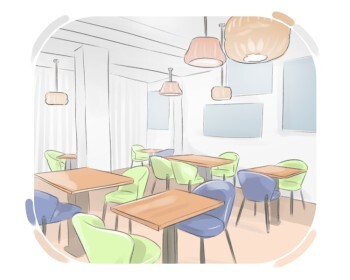
a place where we pay to sit and eat a meal
レストラン, 飲食店
彼は人気のレストランでシェフとして働いています。

a person, organization, company, etc. that pays to get things from businesses or stores
顧客, 買い手
顧客は自分のサイズのドレスを見つけることができませんでした。
an ability to do something well, especially after training
スキル, 技能
何年もの練習の後、彼女のギターを弾く技術は並外れたものになった。
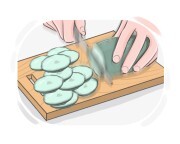
with a lot of speed
速く, 迅速に
彼女はレースを速く終え、最初にゴールラインを越えた。
in a manner that is visually, aurally, or emotionally delightful or graceful
美しく, 優雅に
彼女は 美しく 踊り、優雅さと上品さで動いた。
a special type of thick sushi roll, traditionally eaten uncut the day before spring in Japan while facing a lucky direction for the year
ehomaki, 特別な太巻き寿司で、日本の春の前日に切らずに食べられ、その年の恵方を向いて食べる伝統がある
節分には、恵方巻きを買って、幸運の方角を向いて黙々と食べました。

to accept something to be true even without proof
信じる, 信用する
彼らはその製品が奇跡の治療法だと信じるように誤解させられた。
