
Książka Insight - Średnio zaawansowany wyższy - Wgląd w Słownictwo 4
Tutaj znajdziesz słowa z Vocabulary Insight 4 w podręczniku Insight Upper-Intermediate, takie jak "dismally", "in vain", "addicted" itp.
Przegląd
Fiszki
Pisownia
Test
![to [clear] the decks](https://cdn.langeek.co/photo/43158/thumb/350?type=jpeg "to [clear] the decks")
to get ready for action by removing physical and mental obstacles

oczyścić przedpole, usunąć przeszkody
Trener kazał drużynie oczyścić głowy i zapomnieć o porażce z zeszłego tygodnia.

rescued from an unpleasant or difficult situation at the last moment by an unexpected event, action, or intervention

physically or mentally dependent on a substance, behavior, or activity
uzależniony, zależny
Uzależniony hazardzista nie mógł oprzeć się pokusie postawienia kolejnego zakładu.
a strong desire to do or have something
uzależnienie, nałóg
Uzależnienie od pracy może czasami prowadzić do wypalenia i napiętych relacji.
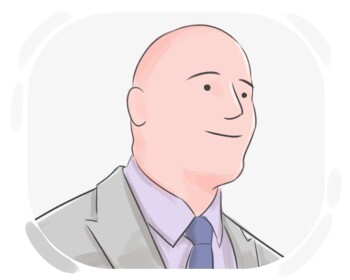
having little or no hair on the head
łysy, wyłysiały
Jego głowa stała się całkowicie łysa po latach golenia.
the condition of having little or no hair on the head or body
łysina, łysienie
Łysina aktora nadała mu charakterystyczny wygląd.
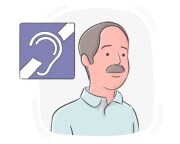
partly or completely unable to hear
głuchy, niedosłyszący
the state or condition of being totally or partially unable to hear
głuchota, stan głuchoty
Naukowcy pracują nad metodami leczenia, które odwrócą niektóre rodzaje głuchoty.
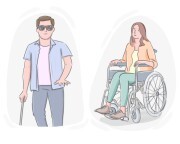
completely or partial inability to use a part of one's body or mind, caused by an illness, injury, etc.
niepełnosprawny, inwalida
a physical or mental condition that makes it difficult for a person to do some activities and usually lasts for a long time
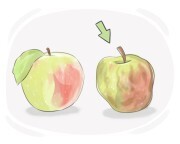
having faults, flaws, or shortcomings
niedoskonały, wadliwy
Plan był ambitny, ale niedoskonały, brakowało w nim uwzględnienia potencjalnych przeszkód.
a state of having flaws or mistakes, which make something or someone less than ideal
niedoskonałość, wada
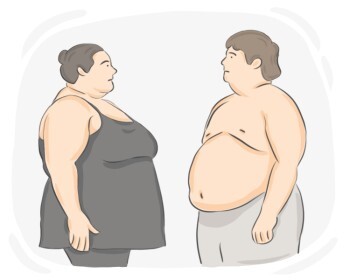
extremely overweight, with excess body fat that significantly increases health risks
otyły, nadwaga
Klinika oferuje specjalistyczne programy dla pacjentów otyłych, których celem jest promowanie utraty wagi.
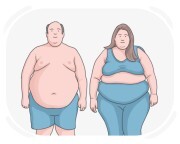
the condition of having such a high amount of body fat that it becomes very dangerous for one's health
otyłość, nadwaga
Otyłość zwiększa ryzyko rozwoju chorób przewlekłych, takich jak cukrzyca, choroby serca i niektóre rodzaje raka.
used to say that something is more complicated, important, or suspicious than it first appears
kryje się za tym coś więcej, to nie tylko pozory
used to show one's lack of genuine interest or enthusiasm for something
to stubbornly refuse to change one's ideas, plans, etc.
to start to think in a logical or correct way after admitting one's mistakes
in a gloomy, depressing, or hopeless manner
ponuro, beznadziejnie
Westchnęła ponuro, czytając rozczarowujące wiadomości.
shaped or structured to allow air, water, or other fluids to move smoothly with minimal obstruction
płynny, aerodynamiczny
Opływowe łopatki turbiny efektywnie przechwytują wiatr.
used to describe someone or something that is far superior when compared to others of the same type
o głowę lepszy, zdecydowanie lepszy od reszty
Spośród kandydatów Omar był zdecydowanie lepszy od reszty.
![to [feel] {sth} in {one's} bones](https://cdn.langeek.co/photo/46670/thumb/350?type=jpeg "to [feel] {sth} in {one's} bones")
to believe something strongly, even though one cannot explain why
czuć to w kościach, mieć silne przeczucie
Czuję to w kościach, że dokonaliśmy właściwego wyboru.

in the part of the mind that holds thoughts and memories that are not often recalled or thought about
z tyłu głowy, w zakamarkach pamięci
Gdzieś w zakamarkach pamięci pamiętała stary adres.
used to suggest that working together with others can often lead to better results than working alone, as combining different perspectives and ideas can create stronger solutions
Wspólne myślenie zwykle daje lepsze wyniki
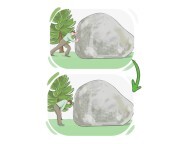
without success or achieving the desired result
na próżno, bezskutecznie
Czekała na odpowiedź na swój list, ale jej nadzieje były daremne, ponieważ nie nadeszła żadna odpowiedź.
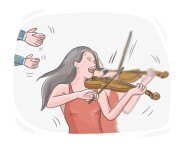
with all that one has
całym sercem i duszą, całym sobą
Wierzę w ten projekt całym sercem i duszą.
to remember or consider a particular piece of information or advice
used to say that a heavy worry or burden is removed
used to suggest that one must be bold and take risks to achieve one's goals
Aby osiągnąć cel, trzeba mieć odwagę i być gotowym podjąć ryzyko
to hide the truth from someone and make them believe something that is not true
oszukać kogoś, wprowadzać kogoś w błąd

a thing that someone takes pride in, such as an accomplishment, honor, etc.
powód do dumy, wielkie osiągnięcie
Firma uważa tę umowę za wielkie osiągnięcie.
to reveal information that were supposed to be kept secret, often by accident
wygadać sekret, niechcący się wygadać
Firma próbowała utrzymać fuzję w tajemnicy, ale jeden pracownik się wygadał.

without any signs of life or vitality
bezwładny, martwy
Bez życia dłoń Jacka zwisała bezwładnie u jego boku, nie wykazując oznak ruchu ani reaktywności.
having a shiny, white or light-colored surface similar to that of a pearl
perłowy, muszlowy
having become dry, wrinkled, and smaller in size, often due to a loss of moisture or aging
zwiędły, pomarszczony
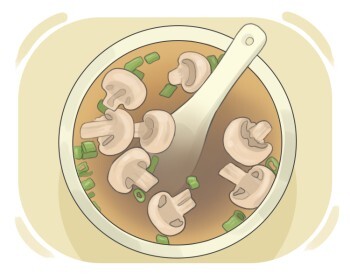
having too much water and little taste
wodnisty, nijaki
Kawa smakowała wodnisto, jakby została zaparzona z zbyt dużą ilością wody i niewystarczającą ilością fusów.
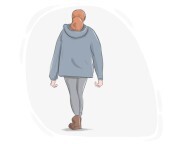
to leave a place or go on a journey, especially for a specific destination
wyruszyć, udać się gdzieś
Ona wyrusza na swoją poranną przebieżkę każdego dnia.
![to [get] the (sack|boot|axe)](https://cdn.langeek.co/photo/61766/thumb/fire/350?type=jpeg "to [get] the (sack|boot|axe)")
to be fired from one's position or job
wylecieć z pracy, stracić pracę
Jeśli dalej będzie się spóźniał, wyleci z pracy.
to experience a lot of problems, setbacks, damages, etc., as a result of something
przyjąć cios, mocno oberwać
Inwestorzy mocno odczuli tę wiadomość, gdy akcje gwałtownie spadły.
![[show|teach] {sb} the ropes](https://cdn.langeek.co/photo/42510/thumb/350?type=jpeg "[show|teach] {sb} the ropes")
to show or teach someone how a particular job or task is done
wprowadzić kogoś w obowiązki, pokazać, jak to działa
Tom pokaże ci, jak to działa, gdy menedżera nie będzie.
to refrain from revealing one's true intentions or plans
nie odkrywać kart, trzymać plany dla siebie
Zapytałem, czy wystartuje na burmistrza, ale nie odkrył kart.
to honestly share one's thoughts, feelings, or plans
wyłożyć karty na stół, powiedzieć wprost, o co chodzi
W końcu wyłożył karty na stół i przyznał, że chce tę posadę dla siebie.
(of a particular idea, statement, or situation) challenging to accept as true
