
Kluczowe Słownictwo Starożytnych Zabytków - Armia Terakotowa
Przegląd
Fiszki
formy
Pisownia
Test


known by a lot of people

sławny, znany
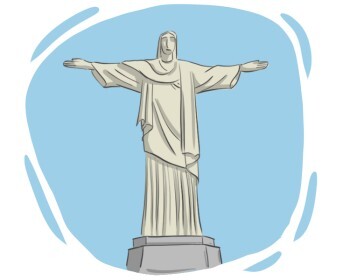
a large object created to look like a person or animal from hard materials such as stone, metal, or wood
posąg, rzeźba
the biggest country in East Asia
Chiny, kraj Chiny
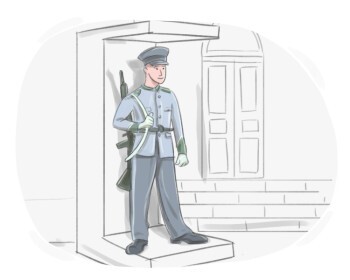
to protect a person, place, or property against harm or an attack
strzec, chronić
an overground or underground grave that is large in size and is often made of stone
grób, grobowiec

a male king that rules an empire
cesarz, władca
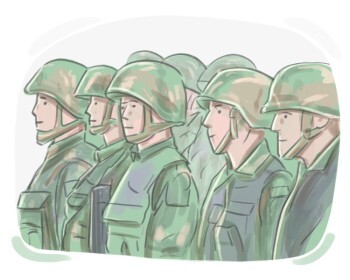
a country's military force trained to fight on land
armia, wojska lądowe
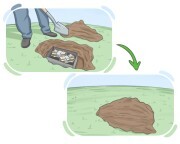
to cover or hide something from sight, often by placing it in the ground or covering it with another material
zakopać, ukryć
used to express exceeding a particular amount, level, or limit
ponad, więcej niż
to resemble a thing or person in appearance
wyglądać jak, przypominać
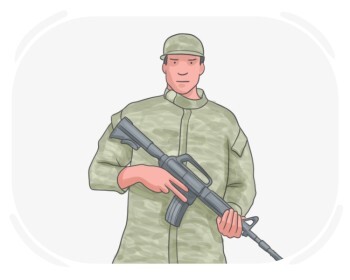
someone who serves in an army, particularly a person who is not an officer
żołnierz, wojskowy

an animal that is large, has a tail and four legs, and we use for racing, pulling carriages, riding, etc.
koń, rumak
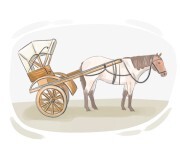
a vehicle with two wheels, drawn by horses, used in ancient times for warfare and racing
rydwan, wóz
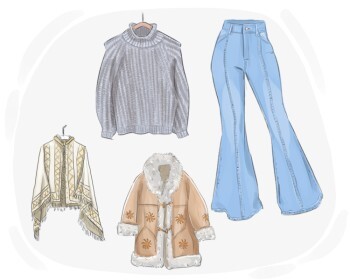
the things we wear to cover our body, such as pants, shirts, and jackets
ubrania, odzież
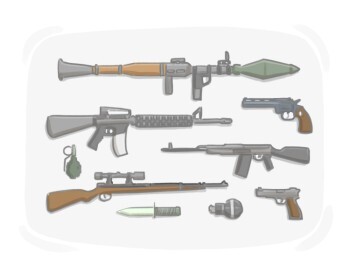
an object that can physically harm someone or something, such as a gun, bomb, knife, etc.
broń, uzbrojenie
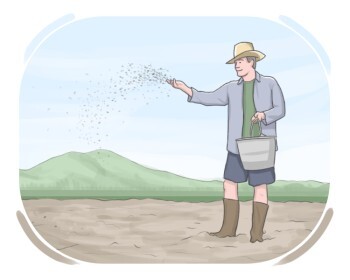
someone who has a farm or manages a farm
rolnik, farmer
to create a hole or cavity by removing earth or soil
kopać, wykopywać

a deep hole dug in the ground to get access to the resources beneath, such as water, oil, etc.
studnia, odwiert
without any intention or planning
przypadkowo, niechcący

the act of finding something for the first time and before others
odkrycie, znalezisko

an individual with a great amount of knowledge, skill, or training in a particular field
ekspert, specjalista
related or belonging to a period of history that is long gone
starożytny, dawny
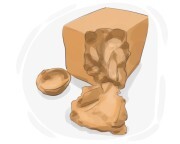
a type of heavy and sticky soil that is molded when wet and is baked to become hardened in pottery or ceramic making
glina, ił
a type of fired clay that is commonly used for architectural and decorative purposes
terakota, wypalana glina

to cover a surface or object with a colored liquid, usually for decoration
malować, pomalować

(of colors) intense and easy to see
jasny, jaskrawy
no longer present or available
odszedł, zniknął
extremely surprising, particularly in a good way
niesamowity, zadziwiający
used to express area by multiplying length by width
kwadratowy, kwadrat-
a life that is believed to exist after death
życie pozagrobowe, życie po śmierci
to greatly surprise someone
zadziwiać, zdumiewać
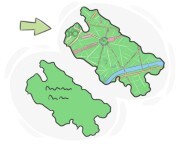
including many specific elements or pieces of information
szczegółowy, dokładny
a performer who demonstrates agility, balance, and strength through a variety of gymnastic movements and aerial feats
akrobata
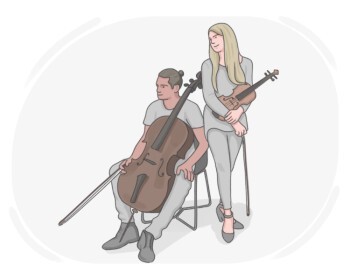
someone who plays a musical instrument or writes music, especially as a profession
muzyk, instrumentalista

someone who entertains an audience, such as an actor, singer, musician, etc.
wykonawca, artysta
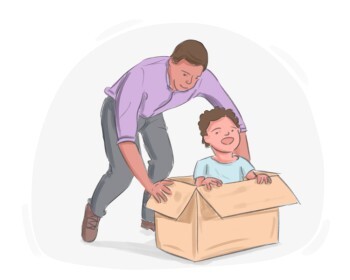
to amuse someone so that they have an enjoyable time
bawić, rozrywać
to no longer be alive
umrzeć, zmarnować
| Kluczowe Słownictwo Starożytnych Zabytków | |||
|---|---|---|---|
| Wielka Piramida w Gizie | Wielki Mur Chiński | Machu Picchu | Koloseum |
| Stonehenge | Petra | Moai | Akropol w Atenach |
| Chichén Itzá | Persepolis | Pompeje | Wielki Sfinks w Gizie |
| Efez | Cairn Barnenez | Kuélap | Wielkie Zimbabwe |
| Armia Terakotowa | Forum Romanum | Sigiriya | Tiwanaku |
