
Decyzja, Sugestia i Obowiązek - Miłość i Nienawiść
Tutaj nauczysz się niektórych angielskich słów związanych z miłością i nienawiścią, takich jak "adore", "enamored" i "despise".
Przegląd
Fiszki
formy
Pisownia
Test

(always negative) to tolerate someone or something

znosić, tolerować
Nie mógł znieść arogancji nowego menedżera, co skłoniło go do rozważenia znalezienia pracy gdzie indziej.

a feeling of much respect for and approval of someone or something
podziw, szacunek
Jej poświęcenie dla wolontariatu i pomagania innym napełniło jej przyjaciół i rodzinę podziwem.

to love and respect someone very much
uwielbiać, czcić
Uwielbiam mojego psa za jego lojalność i towarzystwo.
something that one dislikes first but starts to like it with the passage of time
nabyty smak
characterized by a strong dislike or hatred toward someone
alergiczny, niechętny
Polityk wydawał się uczulony na kompromis, odmawiając negocjacji w kluczowych kwestiach.
something that is gravely hated and disapproved of
anathema, obrzydliwość
Nowa polityka była anatema dla wartości firmy.
having or showing extreme hatred or hostility toward someone
antypatyczny, wrogi
a strong feeling of hatred, opposition, or hostility
antypatia, awersja
Antypatia, którą czuła do swojego sąsiada, była oparta na przeszłych konfliktach.
strongly opposed to something
niechętny, przeciwny
Wiele osób niechętnie korzysta z transportu publicznego z powodu obaw o czystość.
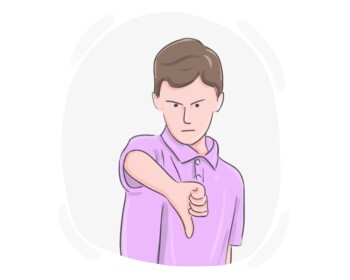
a strong feeling of dislike toward someone or something
awersja, niechęć
Dorastając w małym miasteczku, Mark rozwinął awersję do zgiełku życia miejskiego.
to hate and have no respect for something or someone
gardzić, nienawidzić
Gardzę wszelką formą dyskryminacji i staram się promować równość i integrację.
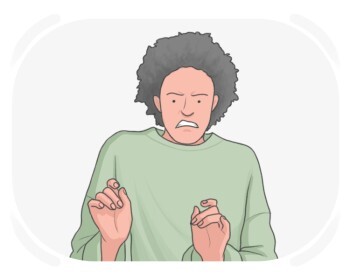
a strong feeling of distaste for someone or something
obrzydzenie, wstręt
Skorumpowane zachowanie polityka napełniło obywateli obrzydzeniem do systemu politycznego.

to not like a person or thing
nie lubić, nie znosić
Kot nie lubi być kąpany; staje się niespokojny.
the feeling of not liking something or someone
niechęć, awersja
Wśród dzieci panuje powszechna niechęć do deszczowej pogody.
having a strong liking or admiration for something
zauroczony, zachwycony
Pomysł życia przy plaży uderzył ją jako głęboko zauroczona.
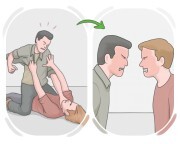
someone who is against a person, or hates them
wróg, przeciwnik
Zdała sobie sprawę, że jej współpracownik zachowuje się jak wróg, próbując sabotować jej projekty.
the fact of having or showing unreasonable tendency or preference toward some things and not others, particularly food
kaprys, wybredność
having or showing an unreasonable tendency to like some things and not others, particularly food
wybredny, kapryśny
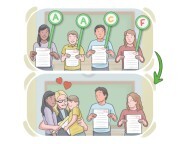
to prefer someone or something to an alternative
preferować, faworyzować
Kierownik może faworyzować kandydatów z odpowiednim doświadczeniem podczas procesu rekrutacji.
having characteristics or features that makes something or someone preferable
uprzywilejowany, preferowany
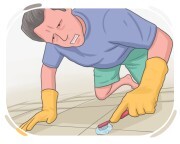
(of a person) overly particular about small details, making one challenging to please
wybredny, kapryśny
Jest wybredny co do temperatury w pokoju, zawsze dostosowuje termostat do swoich preferencji.
in a way that is based on one's tastes or wishes
a person who pretends to be a friend when in reality is one's rival or enemy
fałszywy przyjaciel, przyjaciel-wróg
used to express one's preference to something or someone over other things
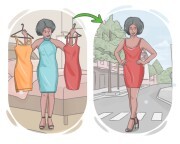
to choose something among other things
wybierać, decydować się na
Podczas zakupów nowego telefonu zdecydowała się wybrać najnowszy model.
to experience a loss of interest or liking towards someone or something
stracić zainteresowanie, przestać lubić
W miarę jak dorastał, stracił zainteresowanie grami wideo i zaczął bardziej interesować się aktywnością na świeżym powietrzu.
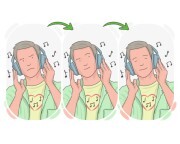
to gradually like someone or something more and more
rosnąć na, coraz bardziej się podobać
Na początku nie lubiłam mojego nowego kolegi z klasy, ale teraz jesteśmy przyjaciółmi. Naprawdę urosł mi w sercu.
a deep feeling of anger and dislike toward someone because of what they did in the past
uraza, złość
Waśń rodzinna trwała latami, podsycana długotrwałą urazą.
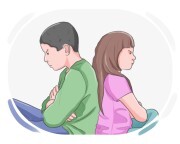
to really not like something or someone
nienawidzić, nie znosić
Oni nienawidzą przegrywać gier, ponieważ są konkurencyjni.
strong dislike for someone or something
nienawiść, awersja
Nienawiść Johna do publicznego przemawiania sprawiała, że był niespokojny za każdym razem, gdy musiał przemawiać do dużej publiczności.
to be unable to tolerate someone or something because of one's hatred or hostility toward them
to hold a negative opinion or feeling about someone or something, typically based on past experiences or personal preferences
mieć przeciwko, chować urazę
Dlaczego mają urazę do prezesa firmy?
to be attracted to food that contains a lot of sugar
mieć słabość do słodyczy, uwielbiać słodkie
Jeśli masz słabość do słodyczy, pokochasz tę piekarnię.
to be excessively obsessed with someone, especially in a way that seems strange or unreasonable
to refrain from involving someone or spending time with them
to dislike or have no sense of respect for someone or something
![to [have] a soft spot for {sb/sth}](https://cdn.langeek.co/photo/40153/thumb/350?type=jpeg "to [have] a soft spot for {sb/sth}")
to be particularly fond of someone or something
mieć słabość do kogoś, darzyć kogoś sympatią
Mam słabość do szczerych ludzi.
to be deeply or excessively fond of or obsessed with someone or something
uwielbiać, szaleć za
Ona uwielbiała restaurację i odwiedzała ją co tydzień.
