pattern

決定、提案、義務 - 愛と憎しみ

ここでは、「adore」、「enamored」、「despise」など、愛と憎しみに関連するいくつかの英単語を学びます。

レビュー

フラッシュカード

語形

綴り

クイズ
学習を開始
Words Related to Decision, Suggestion, and Obligation
to abide
to abide
[動詞]

(always negative) to tolerate someone or something

耐える, 許容する

耐える, 許容する

Ex: She can't abide people who are consistently dishonest. 

彼女は一貫して不誠実な人々を我慢できません。

admiration
admiration
[名詞]

a feeling of much respect for and approval of someone or something

賞賛, 尊敬

賞賛, 尊敬

Ex: She looked at the artwork with great admiration, appreciating the artist's skill and creativity. 

彼女はその芸術作品を大きな賞賛をもって見つめ、アーティストの技術と創造性を高く評価しました。

to adore
to adore
[動詞]

to love and respect someone very much

崇拝する, 敬愛する

崇拝する, 敬愛する

Ex: She adores her grandmother for her wisdom and kindness. 

彼女は祖母の知恵と優しさを崇拝しています。

acquired taste

something that one dislikes first but starts to like it with the passage of time

獲得した味

獲得した味

allergic
allergic
[形容詞]

characterized by a strong dislike or hatred toward someone

アレルギーの, 嫌がる

アレルギーの, 嫌がる

Ex: He seemed allergic to any form of criticism, reacting with immediate hostility. 

彼はどんな形の批判にもアレルギーがあるようで、即座に敵意をもって反応した。

anathema
anathema
[名詞]

something that is gravely hated and disapproved of

のろい, 忌まわしいもの

のろい, 忌まわしいもの

Ex: Lying was an anathema to her strict moral code. 

嘘をつくことは、彼女の厳格な道徳規範にとって忌むべきものだった。

antipathetic
antipathetic
[形容詞]

having or showing extreme hatred or hostility toward someone

反感を持つ, 敵対的な

反感を持つ, 敵対的な

antipathy
antipathy
[名詞]

a strong feeling of hatred, opposition, or hostility

反感, 嫌悪

反感, 嫌悪

Ex: She felt a deep antipathy toward the new policy. 

彼女は新しい政策に対して深い反感を感じた。

averse
averse
[形容詞]

strongly opposed to something

嫌がる, 反対の

嫌がる, 反対の

Ex: He is averse to eating spicy foods and prefers mild dishes. 

彼は辛い食べ物を食べることを嫌がり、マイルドな料理を好みます。

aversion
aversion
[名詞]

a strong feeling of dislike toward someone or something

嫌悪, 反感

嫌悪, 反感

Ex: Despite her aversion to horror movies, her friends convinced her to watch one at the movie night. 

ホラー映画に対する彼女の嫌悪感にもかかわらず、友達は映画の夜に一つ見るように彼女を説得した。

to be sweet on

to like somebody very much in a romantic way

to despise
to despise
[動詞]

to hate and have no respect for something or someone

軽蔑する, 憎む

軽蔑する, 憎む

Ex: She despises bullies and stands up for those who are being mistreated. 

彼女はいじめっ子を軽蔑し、虐待されている人々のために立ち上がる。

disgust
disgust
[名詞]

a strong feeling of distaste for someone or something

嫌悪, 不快感

嫌悪, 不快感

Ex: The sight of the decaying food in the refrigerator filled her with disgust. 

冷蔵庫の中の腐りかけている食べ物を見て、彼女は嫌悪感でいっぱいになった。

to dislike
to dislike
[動詞]

to not like someone or something

嫌う, 好まない

嫌う, 好まない

Ex: Emma dislikes cold weather. 
dislike
dislike
[名詞]

a feeling of not liking someone or something

嫌悪,  反感

嫌悪, 反感

Ex: Emma has a strong dislike of crowded places. 
enamored
enamored
[形容詞]

having a strong liking or admiration for something

夢中, 魅了された

夢中, 魅了された

Ex: The city’s vibrant arts scene made him enamored from the moment he arrived. 

都市の活気あるアートシーンは、彼が到着した瞬間から彼を夢中にさせた。

enemy
enemy
[名詞]

someone who is against a person, or hates them

敵, 相手

敵, 相手

Ex: She realized that her coworker was acting like an enemy, trying to sabotage her projects. 
faddiness
faddiness
[名詞]

the fact of having or showing unreasonable tendency or preference toward some things and not others, particularly food

気まぐれ, 好き嫌い

気まぐれ, 好き嫌い

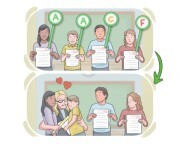
faddy
faddy
[形容詞]

having or showing an unreasonable tendency to like some things and not others, particularly food

気難しい, うるさい
気難しい, うるさい

to favor
to favor
[動詞]

to prefer someone or something to an alternative

好む, 優先する

好む, 優先する

Ex: The manager may favor candidates with relevant experience during the hiring process. 
favored
favored
[形容詞]

having characteristics or features that makes something or someone preferable

優先された, 好ましい

優先された, 好ましい

finicky
finicky
[形容詞]

(of a person) overly particular about small details, making one challenging to please

気難しい, うるさい

気難しい, うるさい

Ex: The finicky eater refused to eat anything that wasn't prepared exactly to their liking. 

気難しい食べる人は、自分の好みに正確に準備されていないものは何も食べることを拒否しました。

for {one's} liking

in a way that is based on one's tastes or wishes

Ex: The music was far too loud for my liking. 
frenemy
frenemy
[名詞]

a person who pretends to be a friend when in reality is one's rival or enemy

偽の友, 友敵

偽の友, 友敵

give me {sth} any (day|time)

used to express one's preference to something or someone over other things
to go for
to go for
[動詞]

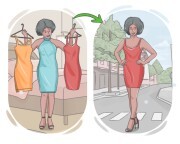
to choose something among other things

選ぶ, 選択する

選ぶ, 選択する

Ex: She couldn't decide between the two dresses, so she went for the one with the floral pattern. 

彼女は2つのドレスのどちらにするか決められなかったので、花柄の方を選んだ。

to go off
to go off
[動詞]

to experience a loss of interest or liking towards someone or something

興味を失う, 好きではなくなる

興味を失う, 好きではなくなる

Ex: Jenny went off her ex-boyfriend when she discovered he had been dishonest with her. 

ジェニーは元彼が彼女に不誠実だったと知ったとき、彼に興味を失った。

to grow on
to grow on
[動詞]

to gradually like someone or something more and more

人や物事をだんだん好きになる, 時間がたつにつれて好感を持たれるようになる

人や物事をだんだん好きになる, 時間がたつにつれて好感を持たれるようになる

Ex: At first, I didn't like the new song, but it started to grow on me after a few listens. 

最初、私はその新しい曲が好きではありませんでしたが、何度か聞くうちにそれが私に成長し始めました。

grudge
grudge
[名詞]

a deep feeling of anger and dislike toward someone because of what they did in the past

恨み, 怨念

恨み, 怨念

Ex: She still held a grudge against her colleague for taking credit for her work. 

彼女はまだ、自分の仕事の功績を取られたことで同僚に恨みを抱いていた。

to hate
to hate
[動詞]

to really not like something or someone

憎む, 嫌う

憎む, 嫌う

Ex: They hate losing games because they are competitive 
hate
hate
[名詞]

strong dislike for someone or something

憎しみ, 嫌悪

憎しみ, 嫌悪

Ex: John's hate for public speaking made him anxious whenever he had to address a large audience. 
to [hate] the sight of {sb/sth}

to be unable to tolerate someone or something because of one's hatred or hostility toward them

Ex: Before all this, I just hated the sight of him. 
to [have] a lot of time for

to be really interested in someone or something

to have against

to hold a negative opinion or feeling about someone or something, typically based on past experiences or personal preferences

に対して持っている, 恨みを抱く

に対して持っている, 恨みを抱く

Ex: I don't have anything against her; I just don't know her well. 

私は彼女に対して何も持っていない;ただ彼女をよく知らないだけだ。

to [have] a sweet tooth

to be attracted to food that contains a lot of sugar

甘いものに目がない, 甘党だ

甘いものに目がない, 甘党だ

Ex: He never drinks soda, but he does have a sweet tooth for pastries. 

彼は炭酸飲料は飲まないが、ペストリーには目がない。

to [have] a thing (for|about) {sb/sth}

to be excessively obsessed with someone, especially in a way that seems strange or unreasonable

Ex: She has a thing for classic cars and collects them. 
to [have] no time for {sb/sth}

to refrain from involving someone or spending time with them

Ex: He has no time for excuses when it comes to work. 
to [have] no use for {sb/sth}

to dislike or have no sense of respect for someone or something

to [have] a soft spot for {sb/sth}

to be particularly fond of someone or something

特別な思いがある, 特に気にかける

特別な思いがある, 特に気にかける

Ex: I've always had a soft spot for old movies. 

昔の映画には特別な思いがある。

to heart
to heart
[動詞]

to be deeply or excessively fond of or obsessed with someone or something

夢中になる, 熱中する

夢中になる, 熱中する

Ex: He hearted the proposal and couldn't stop talking about it. 
LanGeek
LanGeekアプリをダウンロード