pattern

Słownictwo do IELTS (Akademickie) - Prowadzenie Badań

Tutaj nauczysz się niektórych angielskich słów dotyczących prowadzenia badań, takich jak "analizować", "naukowy", "model" itp., które są potrzebne do egzaminu IELTS.

Przegląd

Fiszki

formy

Pisownia

Test

Zacznij naukę
Words for Academic IELTS
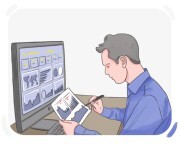
to analyze
to analyze
[Czasownik]

to examine or study something in detail in order to explain or understand it

analizować, badać

analizować, badać

Ex: The scientist needed to analyze the data to draw meaningful conclusions from the experiment. 
analysis
analysis
[Rzeczownik]

a methodical examination of the whole structure of something and the relation between its components

analiza, metodyczne badanie

analiza, metodyczne badanie

Ex: The financial analysis revealed the strengths and weaknesses of the company's budget. 
to conclude
to conclude
[Czasownik]

to draw a logical inference or outcome based on established premises or evidence

wnioskować,  wyciągać wnioski

wnioskować, wyciągać wnioski

Ex: From the patterns observed in the data, researchers concluded that more training would enhance employee performance. 
conclusion
conclusion
[Rzeczownik]

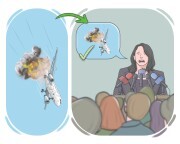
a decision reached after thoroughly considering all relevant information

wniosek, decyzja
wniosek, decyzja

Ex: After reviewing all the evidence, the jury reached a conclusion. 
to confirm
to confirm
[Czasownik]

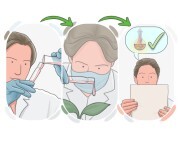
to show or say that something is the case, particularly by providing proof

potwierdzać, weryfikować
potwierdzać, weryfikować

Ex: The doctor confirmed the diagnosis with the results of the blood test. 
to determine
to determine
[Czasownik]

to learn of and confirm the facts about something through calculation or research

określać, ustalać

określać, ustalać

Ex: Scientists regularly determine the chemical composition of substances in the laboratory. 
development
development
[Rzeczownik]

a process or state in which something becomes more advanced, stronger, etc.

rozwój
rozwój

Ex: The development of new technologies has transformed modern life. 
to experiment
to experiment
[Czasownik]

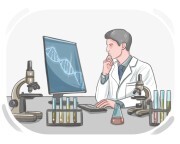
to do a scientific test on something or someone in order to find out the results

eksperymentować, przeprowadzać eksperymenty
eksperymentować, przeprowadzać eksperymenty

Ex: The scientists experiment to test their hypotheses. 
laboratory
laboratory
[Rzeczownik]

a room or building equipped for scientific research, experiments, testing, or the production of chemicals or medicines
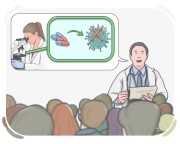
Ex: Sarah spent the afternoon analyzing samples in the laboratory. 
to prove
to prove
[Czasownik]

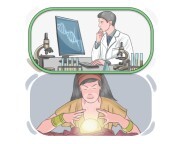
to show that something is true through the use of evidence or facts

udowadniać,  wykazywać
udowadniać, wykazywać

Ex: He often proves his point through well-researched arguments. 
scientific
scientific
[przymiotnik]

relating to or based on the principles and methods of science

naukowy

naukowy

Ex: Medical breakthroughs often result from years of scientific research and clinical trials. 

Przełomy medyczne często są wynikiem lat naukowych badań i prób klinicznych.
statistic
statistic
[Rzeczownik]

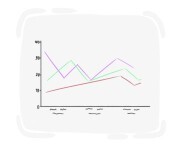
a number or piece of data representing measurements or facts

statystyka, dane statystyczne

statystyka, dane statystyczne

Ex: Understanding statistics is important for interpreting survey results correctly. 

Zrozumienie statystyk jest ważne dla prawidłowej interpretacji wyników badań.
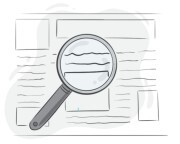
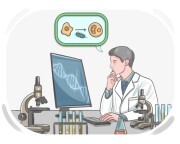
study
study
[Rzeczownik]

a detailed and careful consideration and examination

badanie, analiza
badanie, analiza

Ex: The research team conducted a thorough study to analyze the effects of climate change on local ecosystems. 
theory
theory
[Rzeczownik]

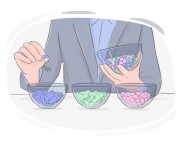
a set of ideas intended to explain the reason behind the existence or occurrence of something

teoria, hipoteza
teoria, hipoteza

Ex: Scientists proposed a new theory to explain the origins of the universe. 
to classify
to classify
[Czasownik]

to arrange people or things into groups according to shared characteristics or qualities
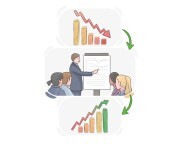
Ex: The products are classified according to their intended use. 
to conduct
to conduct
[Czasownik]

to direct or participate in the management, organization, or execution of something

kierować, przeprowadzać

kierować, przeprowadzać

Ex: The experienced project manager will conduct the team in implementing the new software. 
to evaluate
to evaluate
[Czasownik]

to judge the quality, importance, value, or effectiveness of someone or something

oceniać,  szacować

oceniać, szacować

Ex: Researchers evaluated how effective the new program had been. 
finding
finding
[Rzeczownik]

the result of investigating, researching, or calculating the properties, characteristics, or behavior of something

wynik, odkrycie

wynik, odkrycie

Ex: Laboratory findings confirmed the hypothesis. 
hypothesis
hypothesis
[Rzeczownik]

a proposed explanation for a situation or set of facts that has not yet been proved

hipoteza,  przypuszczenie
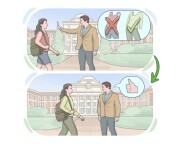
hipoteza, przypuszczenie

Ex: Researchers rejected the hypothesis after examining the data. 
principle
principle
[Rzeczownik]

a fundamental rule that is considered to be true and can serve as a basis for further reasoning or behavior

zasada

zasada

Ex: We have been applying the principle throughout the project. 
procedure
procedure
[Rzeczownik]

a particular set of actions conducted in a certain way

procedura, metoda

procedura, metoda

Ex: The technician followed a detailed procedure to calibrate the equipment accurately. 
trial
trial
[Rzeczownik]

a process conducted in order to decide on how effective, safe, etc. someone or something is

próba
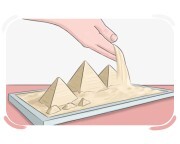
próba

Ex: The trial of the proposed educational program showed promising results in improving student engagement. 
to model
to model
[Czasownik]

to create a smaller representation of something using wood, etc.

modelować,  kształtować

modelować, kształtować

Ex: The sculptor frequently models miniature versions of famous landmarks. 
to correlate
to correlate
[Czasownik]

to be closely connected or have mutual effects

korelować, być powiązanym

korelować, być powiązanym

Ex: The rising temperatures in the region correlate with an increase in heat-related illnesses. 

Rosnące temperatury w regionie korelują ze wzrostem chorób związanych z upałem.
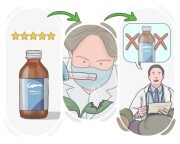
to disprove
to disprove
[Czasownik]

to show that something is false or incorrect

obalić, zaprzeczyć

obalić, zaprzeczyć

Ex: The historian disapproved the popular myth with historical facts. 

Historyk obalił popularny mit faktami historycznymi.

empirical
empirical
[przymiotnik]

based on observation, experience, or experiment rather than primarily on theory

empiryczny,  doświadczalny

empiryczny, doświadczalny

Ex: Scientists must test the hypothesis through empirical research. 
experimental
experimental
[przymiotnik]

relating to or involving scientific experiments, especially those designed to test hypotheses or explore new ideas

eksperymentalny

eksperymentalny

Ex: The experimental design included control groups to compare the effectiveness of different treatments. 

Projekt eksperymentalny obejmował grupy kontrolne w celu porównania skuteczności różnych metod leczenia.

theoretical
theoretical
[przymiotnik]

concerned with understanding and explaining phenomena rather than directly applying them to real-world situations

teoretyczny, abstrakcyjny

teoretyczny, abstrakcyjny

Ex: A theoretical physicist spends years formulating new theories without immediate applications. 

Fizyk teoretyczny spędza lata na formułowaniu nowych teorii bez natychmiastowego zastosowania.

thesis
thesis
[Rzeczownik]

the main idea, opinion, or theory that someone presents and supports with arguments

teza,  główna teza

teza, główna teza

Ex: The essay challenges the thesis that economic growth always improves well-being. 
to verify
to verify
[Czasownik]

to examine the truth or accuracy of something

weryfikować, potwierdzać

weryfikować, potwierdzać

Ex: The software automatically verifies the integrity of the downloaded files. 

Oprogramowanie automatycznie weryfikuje integralność pobranych plików.

LanGeek
Pobierz aplikację LanGeek