
Cambridge English: CPE (C2 Proficiency) - Политика и социальная структура
Обзор
Флэш-карточки
Правописание
Тест


people in the highest class of society who have a lot of power and wealth and usually high ranks and titles

аристократия
На мероприятии присутствовали члены аристократии в элегантной одежде.

belonging to the wealthy property-owning class that profits from and exploits the working class, as described in Marxist theory
буржуазный, капиталистический
Забастовка рассматривалась как вызов буржуазной элите, контролирующей фабрики.
a secret plot, especially one designed to gain power or manipulate events behind the scenes
заговор
Роман сосредоточен на кабале, замышляющей свержение монархии.
a system that divides the people of a society into different social classes based on their wealth, privilage, or profession
каста
Кастовая система в Индии исторически разделяла общество на иерархические группы на основе рождения, рода занятий и социального статуса.
the collective body of clients served by a business, professional, or institution
клиентура
Клиентура бутика отдавала предпочтение минималистской моде и тканям высокого класса.
a small, exclusive group of individuals who share similar interests, attitudes, or social status
клика, группа
В старшей школе была клика популярных детей, которые всегда тусовались вместе и редко общались с кем-либо еще.
a government of politicians or military officers that forcefully obtained power
хунта
По всей стране вспыхнули протесты, требующие прекращения авторитарного правления хунты.
a political system in which a small group of high-powered people control a country or organization
олигархия
Олигархия — это форма правления, при которой власть сосредоточена в руках небольшой группы лиц или семей.
a form of government or society in which power is held and influenced primarily by the wealthy or a small privileged class
плутократия
Критики утверждают, что политическая система страны превратилась в плутократию, где экономические элиты оказывают непропорциональное влияние на государственную политику.
the minimum number of people that must be present for a meeting to officially begin or for decisions to be made
кворум
Заседание совета директоров не могло состояться по расписанию, потому что не было достаточного количества членов для соблюдения требования кворума.
a small, exclusive group of people with shared interests
комитет
Литературный кружок регулярно собирался, чтобы обсудить свои любимые книги и авторов.
having no interest or involvement in politics
неполитический
Аполитичный характер книжного клуба позволил участникам наслаждаться литературой, не вступая в дебаты о политической принадлежности.
to meet privately as a group to discuss strategy, make decisions, or select candidates
встретиться партийное собрание
Они тихо провели совещание в комнате, чтобы спланировать следующий шаг.
an official and binding order or decision recorded by a court as if issued by a judge
указ, судебное предписание
Суд издал фиат, требующий от компании немедленно прекратить строительство.
to divide voting districts in a way that would advantage a particular group or party more
устраивать предвыборные махинации
Политики часто манипулируют границами избирательных округов, чтобы обеспечить доминирование своей партии на выборах.
displaying support and favoritism toward a party or cause, usually without giving it much thought
партизанский
Пристрастное средство массовой информации представляет только те новости, которые соответствуют его политической повестке.
the act of rebellion or resistance against established authority, typically through speech or conduct
призыв к мятежу, крамола
Революционный памфлет был обвинен в мятеже, так как призывал граждан свергнуть правительство.
the right or privilege of casting a vote in public elections
избирательное право
Всеобщее избирательное право гарантирует, что все взрослые граждане имеют право голоса.
an official document that sets out a specific order or command to be carried out
мандат, указ
Совет издал мандат, требующий от всех предприятий сократить потребление энергии.
an exclusive right or privilege held by a specific person or group, often due to official position or inheritance
прерогатива, исключительное право
Это была прерогатива короля даровать дворянские титулы.
a position of dominant power, influence, or control over others
превосходство, господство
Доминирование компании на технологическом рынке наступило после многих лет инноваций.
intended for or relating to ordinary people; popular or accessible in style
популярный, простонародный
Демотический юмор комика нашел отклик у зрителей по всей стране.
having a focus on a particular ethnic group, especially with the belief that it is superior or more important than others
этноцентричный, сосредоточенный на своей этнической группе
Документальный фильм раскритиковал этноцентрические взгляды, которые сформировали колониальную политику.

a situation or state in which someone does not know or wishes to avoid the unpleasant things that can normally happen to people in their ordinary lives
оторванный от реальности, жить в своём пузыре
В отрыве от реальности эта политика звучала хорошо, но на практике не имела никакого смысла.
![to [rule] the roost](https://cdn.langeek.co/photo/40702/thumb/350?type=jpeg "to [rule] the roost")
to be in control and have absolute power in a group or in a situation
заправлять всем, быть главным
В этом офисе всем заправляет Сандра.
a division between a group of people caused by their disagreement over beliefs or views
раскол
Раскол в политической партии привел к разделению в руководстве и политике.
a politician who appeals to the desires and prejudices of ordinary people instead of valid arguments in order to gain support
демагог
Демагог разжигал эмоции и использовал страхи, чтобы заручиться поддержкой своей политической программы.
a cruel ruler with absolute power
деспот, диктатор
Граждане жили в страхе при режиме деспота, зная, что неповиновение будет сурово наказано.
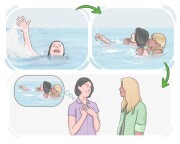
indebted or obligated to someone because of a favor or kindness they have done
обязанный, признательный
Она чувствовала себя обязанной своему наставнику за то, что он провёл её через трудные времена в карьере.
a strong, negative response, against a recent event, decision, or trend
негативная реакция, обратная реакция
Новый закон вызвал широкую обратную реакцию среди экологических групп.
the social or cultural setting or environment
среда, окружение
Выросшая в тесном сообществе, среда Сары сформировала её ценности и убеждения.
![to [change] horses (in|) midstream](https://cdn.langeek.co/photo/44464/thumb/350?type=jpeg "to [change] horses (in|) midstream")
to adopt a different policy in face of a difficult or unexpected problem
менять курс на полпути, переобуваться на ходу
Проект и так отставал от графика, поэтому менять курс на полпути значило бы только всё усугубить.
