
Cambridge English: CPE (C2 Proficiency) - Politika a sociální struktura
Revize
Kartičky
Pravopis
Kvíz


people in the highest class of society who have a lot of power and wealth and usually high ranks and titles

aristokracie, šlechta
Aristokracie se postavila proti mnoha sociálním reformám, které ohrožovaly její privilegia.

belonging to the wealthy property-owning class that profits from and exploits the working class, as described in Marxist theory
buržoazní, kapitalistický
Román nabídl ostrou kritiku buržoazních hodnot v době sociálních nepokojů.
a secret plot, especially one designed to gain power or manipulate events behind the scenes
spiknutí, klika
Kabala působila ve stínech, tahala za nitky, které nikdo nemohl vidět.
a system that divides the people of a society into different social classes based on their wealth, privilage, or profession
kasta, kastovní systém
Snahy o řešení diskriminace založené na kastě vyžadují legislativní opatření, vzdělávací reformy a kampaně na zvýšení společenského povědomí, aby podpořily rovnost a začlenění.
the collective body of clients served by a business, professional, or institution
klientela, zákaznická základna
Klientela galerie zahrnovala sběratele, kritiky a investory do umění.
a small, exclusive group of individuals who share similar interests, attitudes, or social status
klika
Klika umělců často spolupracovala na projektech společně, sdílela nápady a inspiraci ve svém úzkém kruhu.
a government of politicians or military officers that forcefully obtained power
junta, vojenská vláda
Převzetí moci juntou vedlo k letům nestability a hospodářského úpadku.
a political system in which a small group of high-powered people control a country or organization
oligarchie, vláda malé skupiny
Vzestup oligarchie často vede ke korupci a nepotismu, protože vládnoucí elity upřednostňují své vlastní zájmy před zájmy širší populace.
a form of government or society in which power is held and influenced primarily by the wealthy or a small privileged class
plutokracie, vláda bohatých
Daňová politika vlády byla kritizována za udržování plutokracie, protože se zdá, že zvýhodňuje nejbohatší jednotlivce a korporace.
the minimum number of people that must be present for a meeting to officially begin or for decisions to be made
kvorum, minimální požadovaný počet
Je důležité dosáhnout kvóra během schůzí, aby bylo zajištěno, že rozhodnutí jsou přijímána se vstupem reprezentativní skupiny zainteresovaných stran.
a small, exclusive group of people with shared interests
koterie, exkluzivní skupina
Galerii umění často navštěvovala uzavřená skupina sběratelů a znalců, kteří oceňovali její jedinečnou nabídku.
having no interest or involvement in politics
apolitický, nezajímající se o politiku
Navzdory práci v politické sféře zůstala Jane apolitická, soustředila se výhradně na humanitární úsilí namísto přidružení se k jakékoli straně.
to meet privately as a group to discuss strategy, make decisions, or select candidates
pořádat kaukus, scházet se na kaukusu
Členové strany uspořádali uzavřené setkání před volbami, aby zvolili svého kandidáta.
an official and binding order or decision recorded by a court as if issued by a judge
nařízení, soudní příkaz
Advokát podal soudu petici o fiat k vymáhání dřívějšího rozhodnutí.
to divide voting districts in a way that would advantage a particular group or party more
manipulovat s volebními obvody, rozdělit volební obvody výhodným způsobem
Pokud návrh zákona projde, zákonodárci by manipulovali s okresy, aby zajistili většinu pro svou stranu.
displaying support and favoritism toward a party or cause, usually without giving it much thought
stranický, předpojatý
Stranická povaha debaty zabránila konstruktivnímu dialogu a kompromisu.
the act of rebellion or resistance against established authority, typically through speech or conduct
vzpoura, rebelie
Distribuce letáků podporujících ozbrojené povstání vedla k obvinění z vzpoury proti aktivistické skupině.
the right or privilege of casting a vote in public elections
volební právo, právo volit
Některé země stále omezují volební právo na základě pohlaví, věku nebo socioekonomického statusu.
an official document that sets out a specific order or command to be carried out
mandát, dekret
Soudní nařízení přinutilo společnost zveřejnit požadované dokumenty.
an exclusive right or privilege held by a specific person or group, often due to official position or inheritance
prerogativa, výhradní právo
Změna školního vzdělávacího programu je prerogativou vzdělávací rady.
a position of dominant power, influence, or control over others
převaha, nadvláda
S nárůstem obnovitelné energie někteří předpovídají převahu zelené technologie nad fosilními palivy.
intended for or relating to ordinary people; popular or accessible in style
populární, lidový
Festival měl demotickou atmosféru, s pouličním jídlem, hudbou a místními řemesly.
having a focus on a particular ethnic group, especially with the belief that it is superior or more important than others
etnocentrický, zaměřený na vlastní etnickou skupinu
Zpochybnila etnocentrické narativy ve své hodině dějepisu zavedením alternativních pohledů.

a situation or state in which someone does not know or wishes to avoid the unpleasant things that can normally happen to people in their ordinary lives
odtržený od reality, žít ve své bublině
Zpráva byla napsaná odtrženě od reality, bez zmínky o nájmu, péči o děti nebo mzdách.
![to [rule] the roost](https://cdn.langeek.co/photo/40702/thumb/350?type=jpeg "to [rule] the roost")
to be in control and have absolute power in a group or in a situation
být pánem domu, mít hlavní slovo
Po léta měla v místní politice hlavní slovo jedna mocná rodina.
a division between a group of people caused by their disagreement over beliefs or views
schizma, rozdělení
Ideologická roztržka mezi dvěma frakcemi byla zřejmá z jejich protichůdných prohlášení.
a politician who appeals to the desires and prejudices of ordinary people instead of valid arguments in order to gain support
demagog, agitátor
Demokracie je zranitelná vůči vlivu demagogů, kteří upřednostňují svou vlastní moc před blahobytem lidu.
a cruel ruler with absolute power
despota, tyran
V historii bylo mnoho despotů zapamatováno pro své brutální politiky a opovrhování lidskými právy.
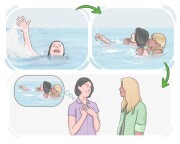
indebted or obligated to someone because of a favor or kindness they have done
zavázaný, vděčný
Politik se cítil zavázán svým podporovatelům a neúnavně pracoval na splnění jejich očekávání.
a strong, negative response, against a recent event, decision, or trend
negativní reakce, protireakce
Odezva proti návrhu zpozdila jeho realizaci o měsíce.
the social or cultural setting or environment
prostředí
Venkovská krajina nabízela klidné prostředí pro ty, kteří hledali útočiště před rychlým městským životním stylem.
![to [change] horses (in|) midstream](https://cdn.langeek.co/photo/44464/thumb/350?type=jpeg "to [change] horses (in|) midstream")
to adopt a different policy in face of a difficult or unexpected problem
měnit plán uprostřed krize, přehodit výhybku za pochodu
Vím, že první plán není dokonalý, ale měnit strategii za pochodu nás může stát smlouvu.
relating to women in general
ženský, mateřský
Obdivoval ženskou sílu projevenou během těžkých časů.
