
Cambridge English: CPE (C2 Proficiency) - Polityka i struktura społeczna
Naucz się zaawansowanego słownictwa CPE dotyczącego polityki i struktury społecznej, w tym rządu, ideologii, instytucji, hierarchii, klasy, władzy i organizacji społeczeństwa.
Przegląd
Fiszki
Pisownia
Test


people in the highest class of society who have a lot of power and wealth and usually high ranks and titles

arystokracja, szlachta
Wielu członków arystokracji było mecenasami sztuki.

belonging to the wealthy property-owning class that profits from and exploits the working class, as described in Marxist theory
burżuazyjny, kapitalistyczny
Pracownicy oskarżyli kierownictwo o ochronę przywilejów burżuazyjnych ich kosztem.
a secret plot, especially one designed to gain power or manipulate events behind the scenes
spisek, klika
Ukryta kabala zorganizowała skandal z wnętrza rządu.
a system that divides the people of a society into different social classes based on their wealth, privilage, or profession
kasta, system kastowy
Dyskryminacja oparta na kastach może ograniczać możliwości jednostek i utrwalać stratyfikację społeczną i wykluczenie.
the collective body of clients served by a business, professional, or institution
klientela, baza klientów
Przez lata jej salon przyciągał zróżnicowaną klientelę z całego miasta.
a small, exclusive group of individuals who share similar interests, attitudes, or social status
klika
Nowym pracownikom było trudno przebić się do kliki długoletnich członków personelu, którzy na przestrzeni lat nawiązali silne więzi.
a government of politicians or military officers that forcefully obtained power
junta, rząd wojskowy
Pokojowe przejście do cywilnych rządów ostatecznie zakończyło panowanie junta, przywracając demokrację w kraju.
a political system in which a small group of high-powered people control a country or organization
oligarchia, rządy małej grupy
W całej historii wiele starożytnych cywilizacji było rządzonych przez oligarchie, z władzą w rękach uprzywilejowanej garstki.
a form of government or society in which power is held and influenced primarily by the wealthy or a small privileged class
plutokracja, rządy bogatych
Publiczny protest miał na celu rozwiązanie obaw dotyczących rosnącego wpływu interesów korporacyjnych, przedstawiając problem jako walkę z plutokracją.
the minimum number of people that must be present for a meeting to officially begin or for decisions to be made
kworum, minimalna wymagana liczba
Bez kworum, doroczne walne zgromadzenie musiało zostać przełożone na późniejszy termin, aby zapewnić udział wszystkich członków w podejmowaniu decyzji.
a small, exclusive group of people with shared interests
koteria, ekskluzywna grupa
W liceum czuła się wykluczona z koterii popularnych uczniów, którzy zawsze trzymali się razem.
having no interest or involvement in politics
apolityczny, niezainteresowany polityką
Galeria sztuki miała być przestrzenią apolityczną, zachęcającą odwiedzających do doceniania ekspresji artystycznej bez wprowadzania poglądów politycznych do rozmowy.
to meet privately as a group to discuss strategy, make decisions, or select candidates
odbywać kaukus, spotykać się na kaukusie
Członkowie partii odbyli zamknięte spotkanie przed wyborami, aby wybrać swojego kandydata.
an official and binding order or decision recorded by a court as if issued by a judge
dekret, nakaz sądowy
Ostateczny fiat zakończył długotrwały spór między stronami.
to divide voting districts in a way that would advantage a particular group or party more
manipulować okręgami wyborczymi, dzielić okręgi wyborcze w sposób korzystny
Rząd prawdopodobnie znów zgerrymanduje okręgi przed nadchodzącymi wyborami.
strongly favoring a particular party, cause, or group, often in a biased way
partyjny, stronniczy
the act of rebellion or resistance against established authority, typically through speech or conduct
bunt, rewolta
Organizator protestu został aresztowany pod zarzutem buntu za namawianie uczestników do oporu wobec organów ścigania.
the right or privilege of casting a vote in public elections
prawo wyborcze, prawo głosu
Niektóre kraje nadal ograniczają prawo wyborcze ze względu na płeć, wiek lub status społeczno-ekonomiczny.
an official document that sets out a specific order or command to be carried out
mandat, dekret
Komitet działał szybko po otrzymaniu mandatu od zarządu.
an exclusive right or privilege held by a specific person or group, often due to official position or inheritance
prerogatywa, wyłączne prawo
W starożytnych czasach własność ziemi była prerogatywą klasy rządzącej.
a position of dominant power, influence, or control over others
przewaga, dominacja
Kulturowa przewaga imperium kształtowała sztukę i architekturę sąsiednich regionów.
intended for or relating to ordinary people; popular or accessible in style
popularny, potoczny
Muzyka pop często odzwierciedla demotyczne gusta i trendy.
having a focus on a particular ethnic group, especially with the belief that it is superior or more important than others
etnocentryczny, skupiony na własnej grupie etnicznej
Program nauczania został zrewidowany, aby zmniejszyć jego etnocentryczne uprzedzenie i uwzględnić globalne perspektywy.

a situation or state in which someone does not know or wishes to avoid the unpleasant things that can normally happen to people in their ordinary lives
oderwany od rzeczywistości, żyć w swojej bańce
Rodzice trzymali ją w bańce, z dala od każdego problemu, który dało się ukryć.
![to [rule] the roost](https://cdn.langeek.co/photo/40702/thumb/350?type=jpeg "to [rule] the roost")
to be in control and have absolute power in a group or in a situation
rządzić wszystkim, mieć ostatnie słowo
Dzieciom się wydaje, że rządzą, ale ostateczne decyzje nadal podejmują rodzice.
a division between a group of people caused by their disagreement over beliefs or views
schizma, podział
Podział wśród aktywistów utrudnił ich wysiłki w osiągnięciu wspólnego celu.
a politician who appeals to the desires and prejudices of ordinary people instead of valid arguments in order to gain support
demagog, prowokator
Pomimo braku merytorycznej polityki, demagog oczarował publiczność swoją charyzmatyczną osobowością i obietnicami zmian.
a cruel ruler with absolute power
despota, tyran
Obywatele powstali przeciwko despotowi, zdeterminowani, by położyć kres okrucieństwu i uciskowi.
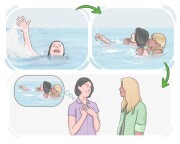
indebted or obligated to someone because of a favor or kindness they have done
zobowiązany, wdzięczny
Pomimo swojego sukcesu, nigdy nie zapomniał o ludziach, którzy pomogli mu po drodze i pozostał zobowiązany wobec nich.
a strong, negative response, against a recent event, decision, or trend
negatywna reakcja, kontrreakcja
Firma wycofała swoją reklamę po ostrej reakcji konsumentów w mediach społecznościowych.
the social or cultural setting or environment
środowisko
Powieść historyczna żywo oddaje środowisko XIX-wiecznego Londynu, przedstawiając normy i obyczaje społeczne tamtych czasów.
![to [change] horses (in|) midstream](https://cdn.langeek.co/photo/44464/thumb/350?type=jpeg "to [change] horses (in|) midstream")
to adopt a different policy in face of a difficult or unexpected problem
zmieniać strategię w trakcie, zmienić kurs w połowie
Gdy negocjacje zrobiły się napięte, zmienili strategię w trakcie i przyjęli łagodniejsze podejście.
relating to women in general
żeński, matczyny
Żeńska gałąź rodziny mieszkała w pobliżu.
