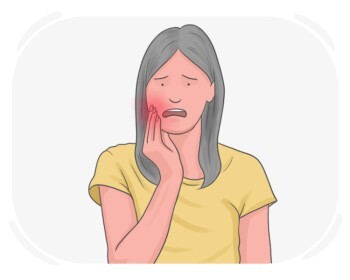
Книга Insight - Элементарный - Блок 7 - 7D
Здесь вы найдете словарный запас из Раздела 7 - 7D учебника Insight Elementary, такие как "синяк", "головокружение", "боль в горле", и т.д.
Обзор
Флэш-карточки
Правописание
Тест


the general condition of a person's mind or body

здоровье
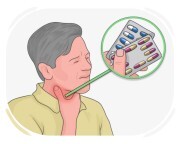
a medicine that kills or stops the growth of bacteria
антибиотик
Врач назначил антибиотик для лечения инфекции.

a piece of cloth that is put around a wound to prevent infections
бинт
Она обмотала бинт вокруг пореза на пальце, чтобы защитить его от инфекции.
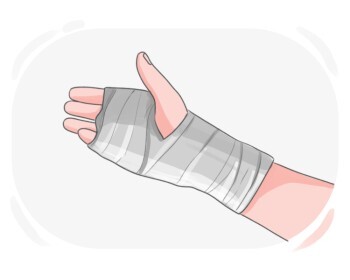
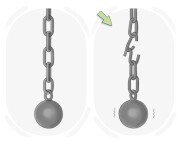
(of a thing) physically divided into pieces, because of being damaged, dropped, etc.
сломанный
Экран ее телефона разбит после того, как она на него села.
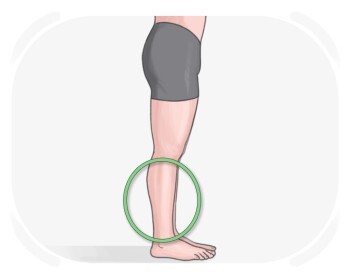
each of the two long body parts that we use when we walk
нога
Он растянул свои ноги перед пробежкой, чтобы предотвратить мышечные судороги.
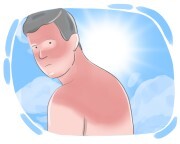
a change in skin color or condition caused by exposure to the sun's rays, resulting in a reddish or brownish appearance
солнечный ожог, ожог
После того как она провела день на пляже, она заметила красноватый ожог на своих плечах.
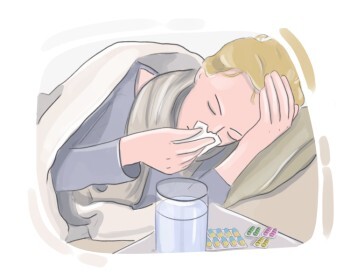
a mild disease that we usually get when viruses affect our body and make us cough, sneeze, or have fever
простуда
Зимой многие люди заболевают простудой.
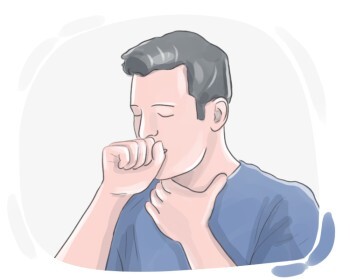
the action of air coming out of our mouth with force
кашель
Через две недели кашель наконец исчез.
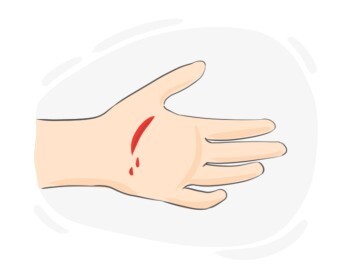
a break or opening in the skin or flesh, often caused by a sharp object or injury
порез, рана
unable to keep one's balance and feeling as though everything is circling around one, caused by an illness or looking down from a high place
головокружение
Она почувствовала головокружение и лёгкость в голове, слишком быстро встав.
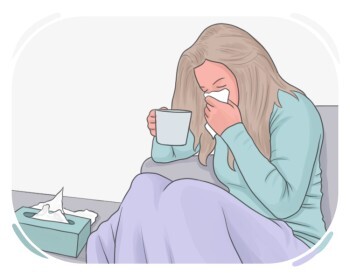
an infectious disease similar to a bad cold, causing fever and severe pain
грипп
После того как он заболел гриппом, он осознал важность вакцинации.
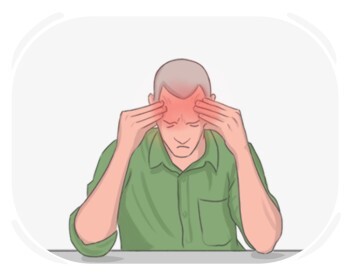
a pain in the head, usually persistent
головная боль
Избегание стресса может помочь вам предотвратить головные боли.
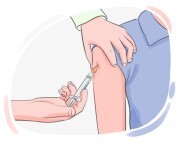
the action of putting a drug into a person's body using a syringe
инъекция
Медсестра сделала прививку от гриппа быстрой инъекцией в руку пациента.
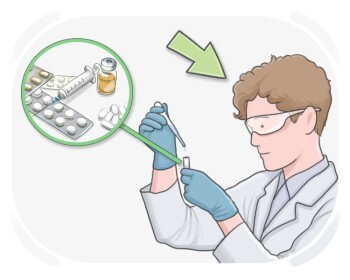
the field of science that is concerned with treating injuries and diseases
медицина
После многих лет усердной учебы она окончила медицинскую школу и была рада начать свою карьеру в медицине, помогая пациентам выздоравливать от болезней.
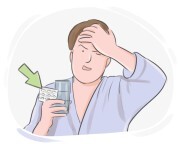
a type of medicine that is used to reduce or relieve pain
болеутоляющий
Она приняла обезболивающее, чтобы справиться с головной болью после долгого рабочего дня.

a small medical dressing that one can stick over a wound or cut in order to keep it clean and protect it
пластырь
Она наложила пластырь на палец, порезавшись во время готовки.
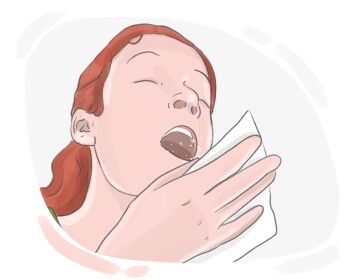
the act of blowing air out of your nose and mouth in a forceful way
чиханье
Чих может распространять микробы, поэтому всегда прикрывайте нос.
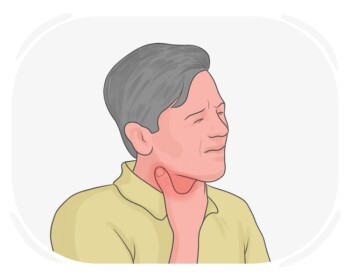
a condition when you feel pain in the throat, usually caused by bacteria or viruses
больное горло
Боль в горле часто является первым признаком простуды.
a condition in which a person's nostrils are full and they have difficulty breathing through their nose
заложенный нос
У неё был заложенный нос из-за простуды, и она не могла спать хорошо.
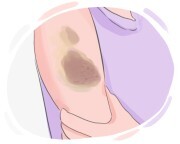
an injury on the skin that appears as a dark mark, caused by a blow involving the rupture of vessels underneath
синяк
После падения с велосипеда он заметил болезненный синяк, образующийся на его руке, который заживет через несколько дней.
an illness that causes a runny nose and watery eyes, caused by dust from plants that come into the body through the air
сенная лихорадка
Сенная лихорадка, также известная как аллергический ринит, представляет собой аллергическую реакцию на пыльцу или другие воздушные аллергены.

the act or instance of blood flowing from the nose
кровотечение из носа
У него пошла кровь из носа после того, как он слишком сильно высморкался.
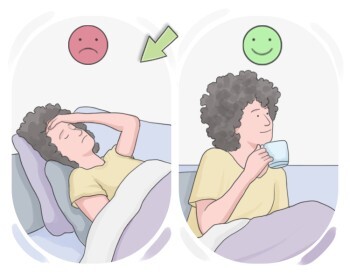
not in a fine mental or physical state
больной
Она чувствовала себя больной в течение недели и наконец решила обратиться к врачу.
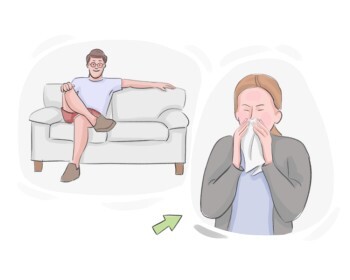
not feeling physically or mentally healthy or fit
нездоровый
Несмотря на то, что он чувствовал себя плохо, он закончил марафон.
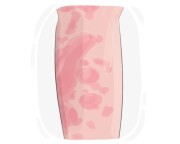
a part of one's skin covered with red spots, which is usually caused by a sickness or an allergic reaction
сыпь
Сыпь — это изменение внешнего вида кожи, часто характеризующееся покраснением, бугорками или волдырями.
slightly trembling or shaking due to cold, illness, fear, etc.
дрожащий
Она почувствовала дрожь после того, как постояла под дождем.
not in a good and healthy physical or mental state
больной
Я думаю, молоко было испорчено; оно сделало меня больным.
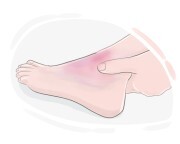
(of a joint) injured by the overstretching or tearing of the tissue
вывихнутый
У него было растяжение колена из-за похода по неровной местности.
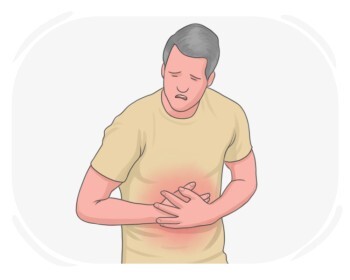
a pain in or near someone's stomach
боль в животе
Слишком много кофе вызывает у меня боль в желудке.
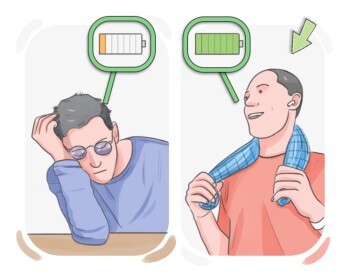
having a value or level greater than usual or expected, often in terms of numbers or measurements
высокий
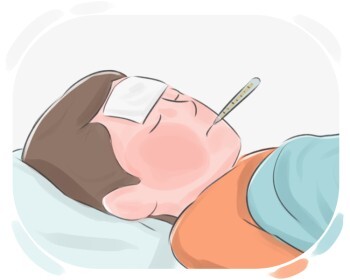
a condition characterized by a body temperature above the normal range, often indicating an immune response to infection or illness within the body
температура
Высокая температура часто является одним из первых признаков того, что организм борется с инфекцией.